

Unlocking the Lab’s Workhorse: Exploring Essential Test Tube Uses in Science

Pernahkah Anda melihat laboratorium di film atau dokumenter? Ada satu alat gelas kecil yang hampir selalu muncul: tabung reaksi atau yang sering kita sebut test tube. Mungkin terlihat sederhana, tapi jangan salah, peran test tube itu fundamental banget dalam berbagai eksperimen sains. Dari mencampurkan bahan kimia hingga memanaskan sampel, test tube adalah salah satu laboratory glassware yang paling serbaguna yang kita punya.
Nah, di artikel ini, kita akan selami lebih dalam tentang test tube uses, mengapa benda kecil ini begitu penting, dan apa saja yang bisa kita lakukan dengannya di lab. Siap mengungkap rahasia si tabung mungil ini?
What Exactly Are Test Tubes Used For in a Lab?
Secara sederhana, test tube adalah wadah silinder kecil, biasanya terbuat dari kaca borosilikat yang tahan panas, dengan salah satu ujung terbuka dan ujung lainnya tertutup atau membulat. Desainnya yang minimalis inilah yang membuatnya sangat adaptif untuk berbagai tujuan. Bayangkan saja seperti gelas minum mini, tapi khusus untuk cairan dan reaksi kimia dalam skala kecil.
Ketika kita bicara tentang what are test tubes used for in a lab, spektrumnya sangat luas. Fungsi utamanya melibatkan:
- Mixing and Heating Chemicals: Test tubes are perfect for carrying out small-scale chemical reactions. Their narrow shape means less surface area exposed to air, which can be beneficial for certain reactions. Plus, their heat-resistant glass makes them ideal for sample heating over a Bunsen burner. We can easily observe color changes, gas evolution, or precipitation without needing large quantities of reagents.
- Sample Storage: They are great for temporarily holding small liquid or solid samples. Think of them as tiny temporary storage units for precious samples before further analysis.
- Culturing Microorganisms: In microbiology, test tubes are indispensable for growing bacterial cultures or other microorganisms in liquid media. Their sterile environment and upright design make them suitable for this delicate work.
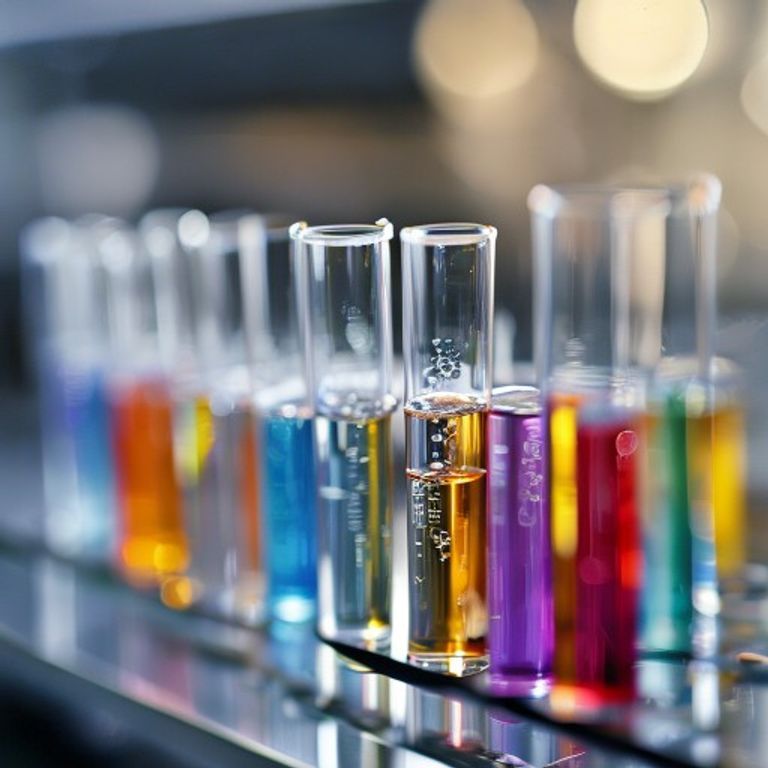
- Observation: The transparent nature of test tubes allows us to clearly observe the progress of an experiment, from how reagents mix to the formation of new substances.
Common Applications of Test Tubes in Science
Test tubes aren’t just for chemistry; their utility spans across various scientific disciplines. Let’s look at some common applications of test tubes in science:
1. In Chemistry: The Heart of Small-Scale Reactions
Di kimia, test tube adalah rumah bagi banyak eksperimen dasar. Ini termasuk:
- Qualitative Analysis: When we want to test for the presence of specific ions or compounds, we often mix small amounts of reagents in test tubes and observe the results, like color changes or precipitate formation.
- Titration Setup (Small Scale): While beakers or flasks are often used for larger titrations, test tubes can be used for preliminary or micro-scale titrations. Sometimes, we might use a larger piece of laboratory glassware like a beaker for larger volume reactions, but for quick tests, test tubes are king.
- Heating Samples: For experiments requiring controlled heating, like decomposing a compound or speeding up a reaction, test tubes are our go-to. We can gently heat them over a flame, often using a test tube holder for safety.
2. In Biology: Culturing and Sample Preparation
Dalam biologi, test tube juga punya peran penting:
- Microbial Cultures: As mentioned, growing bacteria, yeast, or other microbes in liquid broth is a primary use. We can sterilize them and keep our cultures uncontaminated.
- Blood Sample Collection and Processing: In clinical labs, specialized test tubes (often with additives) are used for collecting blood, separating plasma or serum, and performing various diagnostic tests.
- Enzyme Reactions: Many biochemical reactions involving enzymes are carried out in test tubes due to the small volumes of precious reagents involved.
3. Specific Experiments Requiring Test Tubes
Ada beberapa contoh specific experiments requiring test tubes yang mungkin Anda kenal:
- Benedict’s Test: To detect reducing sugars, we mix Benedict’s reagent with a sample in a test tube and heat it. The color change indicates the presence of sugar.
- Biuret Test: Used to detect proteins, this test involves mixing the sample with Biuret reagent in a test tube and observing a violet color.
- Fermentation Experiments: Demonstrating yeast fermentation, where CO2 gas production can be observed and collected in an inverted test tube.
The Role of Test Tubes in Chemical Analysis and Research
Di balik kesederhanaannya, test tubes adalah bagian krusial dari experimental setup. Mereka memungkinkan para ilmuwan untuk melakukan banyak percobaan paralel dengan berbagai kondisi, menghemat reagen, dan meminimalkan limbah. Ini sangat penting dalam riset dan chemical analysis, di mana efisiensi dan kontrol adalah kunci.
Selain itu, untuk reagent mixing, bentuk tabung yang sempit dan tinggi memungkinkan pencampuran yang efisien dengan pengocokan sederhana atau menggunakan a glass stirring rod. Ini membuat proses penyiapan sampel jadi lebih mudah dan terkontrol.
Advantages of Using Test Tubes in Research
Why do we love test tubes so much? Here are some of the key advantages of using test tubes in research:
- Small Volume Handling: Ideal for working with small amounts of chemicals, reducing cost and waste.
- Easy Heating: Their thin walls and narrow shape allow for quick and even heating of samples.
- Visibility: Transparent glass provides clear observation of reactions.
- Portability: Easy to move and arrange in racks.
- Sterilization: Can be easily sterilized for biological applications.
- Versatility: Suitable for a wide range of applications from simple mixing to complex chemical reactions.
Conclusion
Jadi, meskipun ukurannya kecil, test tube adalah pahlawan tanpa tanda jasa di laboratorium. Fungsinya sangat esensial, mulai dari chemical reactions sederhana hingga analisis kompleks dalam penelitian. Kita bisa melihat bagaimana desainnya yang minimalis justru menjadi kekuatannya, menawarkan fleksibilitas dan efisiensi yang tinggi.
Mulai sekarang, ketika Anda melihat test tube, saya harap Anda tidak hanya melihat sepotong kaca, tetapi sebuah alat yang memberdayakan penemuan ilmiah dan membantu kita memahami dunia di sekitar kita dengan cara yang sangat praktis dan mendalam.
Frequently Asked Questions (FAQs)
Q1: Can test tubes be reused?
Yes, absolutely! Most test tubes, especially those made of borosilicate glass, are designed to be cleaned, sterilized, and reused multiple times, making them a sustainable choice in the lab. Proper cleaning is crucial to avoid cross-contamination.
Q2: What’s the difference between a test tube and a beaker?
While both are lab glassware, test tubes are typically smaller, narrower, and designed for small-scale reactions, heating, and observation. Beakers, on the other hand, are wider, have spouts for pouring, and are generally used for larger volumes of liquids, mixing, or rough measurements. If you’re curious about their larger cousins, you might want to read more about decoding beaker uses.
Q3: Are all test tubes heat resistant?
No, not all. Most commonly used test tubes in chemistry labs are made of borosilicate glass (like Pyrex or Kimax), which is highly resistant to thermal shock and high temperatures. However, some cheaper or specialized test tubes (e.g., made of soda-lime glass or plastic) may not be. Always check the manufacturer’s specifications if you plan to heat a test tube.
Q4: How do you safely heat a test tube?
Always use a test tube holder. Point the open end of the test tube away from yourself and others. Heat the sample gently by moving the test tube back and forth through the flame, rather than holding it stationary in one spot. This helps to prevent localized overheating and boiling over. Never fill a test tube more than one-third full when heating.