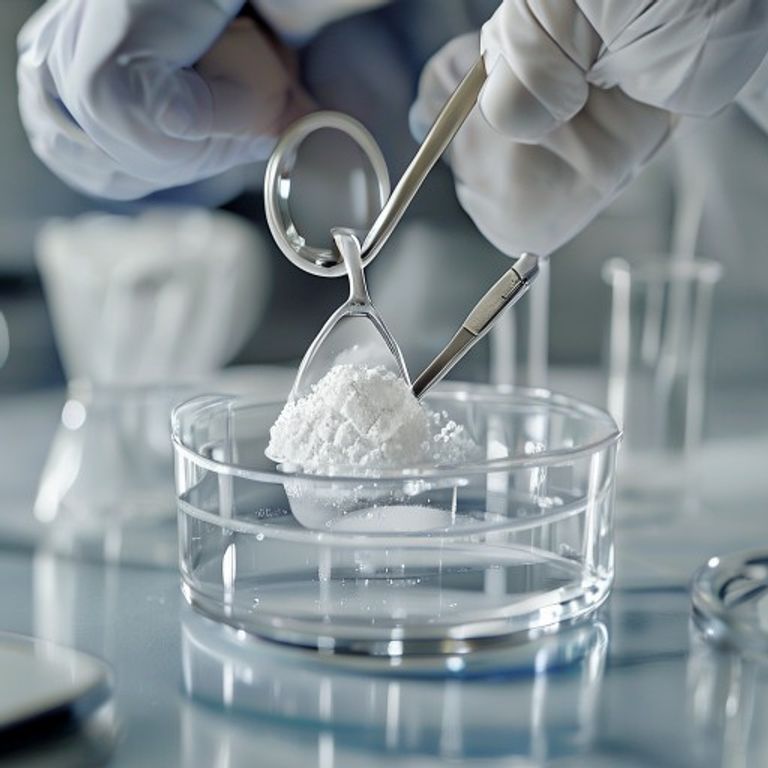
The Unsung Hero: Mastering the Lab Spatula for Every Scientific Task

In the bustling world of laboratories, where precision and accuracy are paramount, we often celebrate the grand instruments – the microscopes, the centrifuges, the spectroscopes. But what about the humble heroes, the tools we reach for countless times a day without a second thought? Today, we’re shining a spotlight on one such indispensable item: the lab spatula. Far from being just a simple spoon, the lab spatula is a versatile workhorse, crucial for a myriad of tasks, from precise powder transfer to delicate cell culture work. Let’s dive into why this unassuming tool is, in fact, an essential piece of laboratory tools and how mastering its use can significantly impact your experimental success.
What Exactly is a Lab Spatula? More Than Just a Spoon
At its core, a lab spatula is a small, flat, and often flexible tool designed for scraping, transferring, or mixing small amounts of chemicals, powders, or biological materials. Think of it like a miniature shovel, but with far more finesse. Unlike a kitchen spatula, which might be broad and blunt, laboratory spatulas come in an astonishing array of shapes and sizes, each tailored for a specific scientific application. We’re talking about tools with flat ends, spoon-shaped ends, pointed ends, and even curved edges – all designed to handle materials with care and precision.
The Many Faces of a Lab Spatula: From Powder to Cells
When we talk about the uses of spatulas in chemistry lab and beyond, we quickly realize their incredible adaptability. It’s not just about scooping; it’s about control, contamination prevention, and material integrity. Here are some of the most common and critical applications:
Best Lab Spatula for Powder Transfer: The Art of the Scoop
Transferring powders accurately is one of the most frequent tasks in a lab. For this, we often need a spatula that can effectively scoop and then release the material cleanly. For precision grinding with a pestle and mortar, for instance, a spatula with a small, flat blade and a slightly upturned edge is perfect for collecting every last grain of powder. Some spatulas have a spoon-like end on one side and a flat blade on the other, offering dual functionality. When choosing the best lab spatula for powder transfer, consider the powder’s characteristics – is it fine, coarse, sticky, or free-flowing? This will influence the ideal blade shape and size.
Sterile Lab Spatula for Cell Culture: A Matter of Purity
In biological sciences, especially when working with cell cultures or microbiological samples, sterility is non-negotiable. A sterile lab spatula is essential to prevent contamination. These spatulas are typically made from autoclavable stainless steel or disposable, individually wrapped plastic. They are used for tasks like scraping cells from a culture flask, transferring bacterial colonies, or mixing media. Using a dedicated sterile spatula for each sample or step is a fundamental practice in maintaining experimental integrity.
Micro Lab Spatula for Precise Measurements: When Every Milligram Counts
Imagine needing to weigh out a few milligrams of a precious compound. This is where the micro lab spatula shines. These tiny tools, often with incredibly fine points or very small scoops, allow us to handle minute quantities with extreme precision. They are invaluable when working with analytical balances, making sure we add or remove just the right amount of material without overshooting our target. Their small size makes them perfect for reaching into narrow containers or for delicate adjustments during weighing.
Material Matters: Plastic vs. Stainless Steel Lab Spatula
The choice between a plastic vs. stainless steel lab spatula largely depends on the application and the material being handled. Each has its own set of advantages:
- Stainless Steel Spatulas: These are the workhorses of many labs. They are durable, resistant to many chemicals (though not all, so always check compatibility), and can be sterilized, often through autoclaving. They are excellent for general chemistry, powder transfer, and when a sturdy tool is needed. However, they can be reactive with certain highly corrosive substances or if metal contamination is a concern.
- Plastic Spatulas: Often made from polypropylene or polystyrene, plastic spatulas are typically disposable and cost-effective. They are ideal for situations where cross-contamination must be absolutely avoided (e.g., handling multiple samples) or when working with highly reactive chemicals that might corrode metal. They are also non-magnetic, which can be an advantage in specific applications. Their main drawback is their lower durability and inability to withstand high temperatures for sterilization (unless specifically designed for it).
Choosing Your Lab Spatula: A Practical Guide
So, how do we choose the right spatula for the job? It’s not rocket science, but it does require a bit of thought:
- Consider the Material Being Handled: Powders, gels, liquids, biological samples – each might require a different type. For sticky gels, a flexible plastic spatula might be better. For fine powders, a flat, thin stainless steel blade.
- Think About the Container: Is it a narrow test tube, a wide beaker, or a small vial? The spatula’s shape and size need to fit the container for effective and safe material handling.
- Sterility Requirements: If working with sterile environments, choose autoclavable stainless steel or disposable sterile plastic spatulas.
- Chemical Compatibility: Always ensure the spatula material is compatible with the chemicals you are using to prevent corrosion or unwanted reactions.
Tips for Lab Spatula Care and Maintenance
Like any valuable lab tool, spatulas deserve proper care. For reusable spatulas, thorough cleaning immediately after use is crucial to prevent residue buildup and cross-contamination. Wash them with appropriate detergents, rinse well, and sterilize if necessary. Store them in a clean, dry place, ideally in a drawer or rack, to prevent damage or contamination before their next use.
Conclusion
The lab spatula may seem like a minor player in the grand scheme of scientific discovery, but its importance cannot be overstated. From ensuring the purity of a cell culture to achieving precise measurements for critical reactions, the right lab spatula is an extension of our own hands, enabling accuracy, safety, and efficiency. By understanding the different types, materials, and their specific applications, we can elevate our laboratory practices and truly appreciate this unsung hero of the scientific world.
FAQ (Frequently Asked Questions)
Q: Can I use a lab spatula for heating substances?
A: Generally, no. Most spatulas are not designed for direct heating. If you need to heat a substance, use appropriate heating tools like crucible tongs or hot plates with beakers or crucibles.
Q: How do I sterilize a stainless steel lab spatula?
A: Stainless steel spatulas can typically be sterilized by autoclaving (steam sterilization at high temperature and pressure) or by flaming (heating the spatula directly in a Bunsen burner flame until red hot, then allowing it to cool). Always follow your lab’s specific safety protocols for sterilization.
Q: What’s the difference between a spatula and a scoop?
A: While often used interchangeably, a spatula typically has a flat or slightly curved blade, designed for scraping, spreading, or precise transfer. A scoop usually has a deeper, more bowl-like shape, optimized for collecting larger volumes of powder or granular material. Many lab tools combine features of both.
Q: Are there eco-friendly options for disposable lab spatulas?
A: Yes, some manufacturers are now producing disposable spatulas from biodegradable plastics or sustainable materials. It’s always worth checking with your lab supplier if environmental impact is a key consideration for your lab’s purchasing policies.