

Unlocking the Grip: A Comprehensive Test Tube Clamp Definition and Its Lab Essentials

Ever found yourself in a chemistry lab, needing to heat a test tube over a Bunsen burner, or perhaps transfer a solution that’s a bit too warm for your bare hands? That’s where our unsung hero, the test tube clamp, comes into play. It might seem like a simple tool, but trust me, understanding its function is fundamental for both safety and efficiency in any scientific setting. Today, we’re going to dive deep into the world of this indispensable laboratory apparatus, exploring its definition, components, common applications, and how to use it like a pro.
What Exactly is a Test Tube Clamp? The Core Definition
At its heart, a test tube clamp is a specialized scientific instrument designed to hold and manipulate test tubes securely. Think of it as an extension of your hand, specifically engineered to grip the cylindrical glass vessels we use so often in experiments. Its primary function is to provide a safe and stable way to handle test tubes, especially when they are hot, cold, or contain hazardous chemicals. When we talk about a test tube clamp definition, we’re essentially referring to a device that acts as a temporary holder, isolating our hands from potential dangers and allowing precise control over the test tube during various laboratory procedures. It’s truly a crucial piece of equipment for exploring essential test tube uses in science.
Why Do We Need a Test Tube Clamp? Common Applications in the Lab
So, what is a test tube clamp used for in a lab? The reasons are numerous and all boil down to safety and precision. Let me share some common scenarios where this tool becomes our best friend:
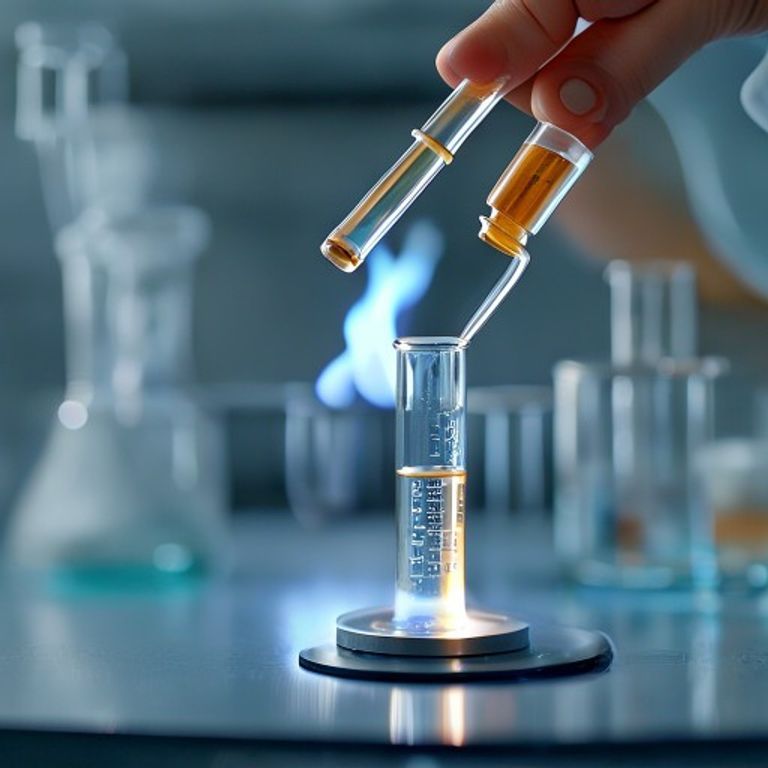
Heating: This is perhaps its most common application. When we need to heat liquids in a test tube over a Bunsen burner, holding it by hand is simply out of the question due to extreme heat. The clamp allows us to position the test tube accurately in the flame and move it as needed to ensure even heating without risking burns.
Transferring: Whether it’s moving a hot test tube from a water bath to a rack, or transferring a tube containing a corrosive substance, the clamp ensures we keep a safe distance and maintain a firm grip.
Mixing and Reactions: Sometimes, we need to gently agitate a test tube during a chemical reaction. A clamp provides the necessary control for swirling or shaking without directly touching the potentially reactive contents or the tube itself.
Observing: For experiments requiring close observation of reactions in a test tube, the clamp allows us to hold it at eye level or in a specific position, freeing our other hand for notes or operating other equipment.
All these uses contribute directly to maintaining strict laboratory safety procedures and ensuring our experiments run smoothly.
Anatomy of a Test Tube Clamp: Components and Their Functions
To truly understand a test tube clamp, let’s break down its simple yet effective design. The components of a test tube clamp and their function are quite straightforward:
The Handle: This is the part we hold. Typically made of wood or plastic, it provides insulation from heat and a comfortable grip, allowing us to control the test tube with ease.
The Jaws: These are the “fingers” that grip the test tube. They often have a curved shape to fit the test tube’s contour and might be lined with rubber or cork. This lining isn’t just for aesthetics; it provides friction for a secure grip, prevents the glass from slipping, and also offers a little cushioning to avoid crushing the test tube.
The Spring Mechanism: Most clamps incorporate a spring that keeps the jaws open, or closed, depending on the design. This allows for quick and easy placement and removal of the test tube, or maintains tension for a constant grip.
The Shaft/Arm: This connects the handle to the jaws, providing the necessary length to keep our hands away from heat or chemicals.
The materials vary, with wooden clamps being common for their excellent heat insulation, and metal clamps often featuring better durability and more robust gripping mechanisms, usually still with rubber or cork padding.
Mastering the Clamp: Proper Usage and Safety Tips
Using a test tube clamp correctly is not just about holding it; it’s about doing so safely and effectively. Here are some practical tips:
Choose the Right Clamp: While most clamps are versatile, ensure it’s appropriate for the size of your test tube. Wooden clamps are excellent for heating over a Bunsen burner, as wood doesn’t conduct heat well.
Grip Gently but Firmly: Position the jaws about two-thirds of the way down from the opening of the test tube. Squeeze just enough to hold it securely without exerting excessive force that could crack the glass. You want a firm grip, but not a death grip!
Angle for Heating: When heating, never point the opening of the test tube towards yourself or anyone else. Always aim it towards an empty space. Heat the test tube gently, moving it back and forth in the flame to ensure even heating and prevent bumping.
Inspect Before Use: Always check your clamp for any damage, especially the rubber or cork lining on the jaws. A worn lining means a less secure grip.
Wear Your PPE: Even with a clamp, always wear your personal protective equipment, such as safety goggles and lab coats. This is a non-negotiable part of laboratory safety procedures.
These simple steps will help you handle holding glassware like a seasoned chemist.
Test Tube Clamps vs. Other Holding Devices
It’s easy to confuse test tube clamps with other laboratory apparatus. For instance, tongs are generally for larger items like beakers or crucibles, offering a broader grip. Beaker clamps, often attached to retort stands, are designed for continuous support of larger glassware. The test tube clamp, with its smaller, more precise jaws, is specifically tailored for the delicate and often heated manipulation of test tubes, making it distinct and irreplaceable for its designated purpose.
Conclusion
So there you have it – a detailed test tube clamp definition and much more! This unassuming tool is far more than just a piece of metal or wood; it’s an essential guardian of safety and an enabler of precise scientific work. By understanding what a test tube clamp is, how it works, and how to use it properly, we empower ourselves to conduct experiments confidently and securely. Next time you’re in the lab, take a moment to appreciate this small but mighty instrument; it truly embodies the spirit of practical solutions in science.
Frequently Asked Questions (FAQ)
Q: What is the main purpose of a test tube clamp?
A: The main purpose is to safely hold and manipulate test tubes, especially when they are hot, cold, or contain hazardous substances, thus protecting the user from direct contact and potential injury.
Q: Can I use a test tube clamp for beakers?
A: While technically you might be able to grip a very small beaker, test tube clamps are not designed for beakers. Their jaws are specifically shaped for test tubes. For beakers, it’s safer and more effective to use beaker tongs or a dedicated beaker clamp.
Q: How do I properly hold a test tube with a clamp?
A: Grip the test tube gently but firmly with the clamp’s jaws, about two-thirds of the way down from the top opening. Ensure the grip is secure enough to prevent slipping but not so tight as to risk breaking the glass.
Q: What are the common materials for test tube clamps?
A: Test tube clamps are commonly made from wood or metal. Wooden clamps are excellent heat insulators, while metal clamps often offer greater durability and sometimes feature rubber or cork linings for enhanced grip and protection.