


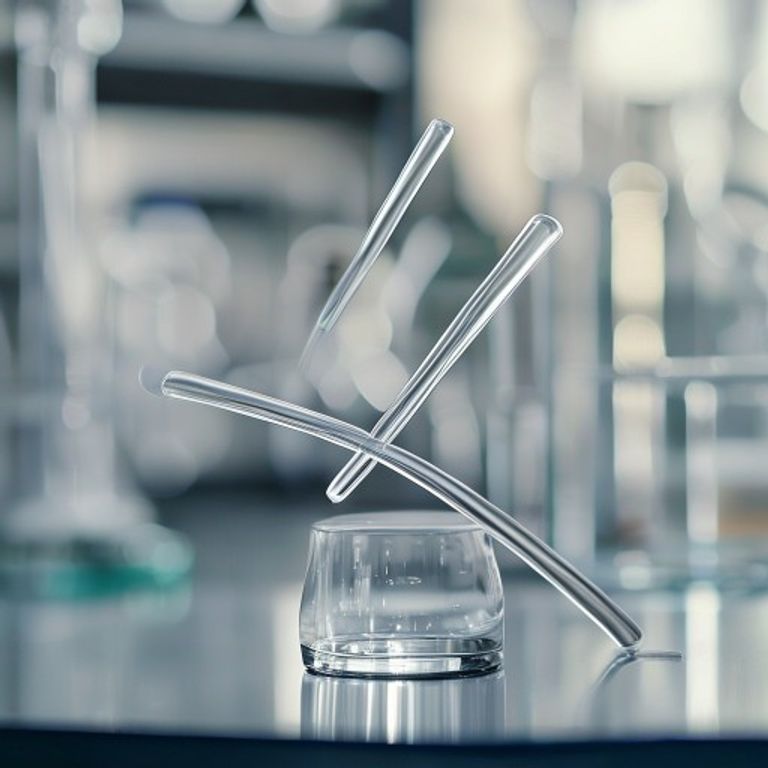
The Unsung Hero of Your Lab: Mastering the Glass Stirring Rod

In the vast world of laboratory glassware, there are tools that grab all the spotlight – think of the complex setups or the fancy, calibrated instruments. But then, there are the quiet achievers, the unsung heroes that make countless experiments possible. Today, we’re shining a light on one such indispensable item: the humble glass stirring rod. You might see it as just a simple stick of glass, but trust me, it’s a powerhouse of utility and precision in its own right.
From a high school chemistry class to advanced research facilities, the glass stirring rod is a constant companion for scientists everywhere. It’s one of those tools we often take for granted until we suddenly need it and realize just how crucial its presence is. Let’s dive deeper into what makes this seemingly simple piece of laboratory equipment so vital, covering everything from its core purpose to safe handling and smart usage.
What Exactly is a Glass Stirring Rod?
At its core, a glass stirring rod is precisely what its name suggests: a rod made of glass, typically solid, used for mixing liquids and solids in a laboratory setting. Most quality stirring rods are made from borosilicate glass, the same robust material used for beakers and test tubes. Why borosilicate? Because it’s incredibly durable, resistant to thermal shock (meaning it can handle temperature changes without cracking easily), and chemically inert, so it won’t react with the substances you’re mixing. Think of it as the superhero of glass types – tough and reliable.
The Many Hats of a Glass Stirring Rod: Purpose and Uses
While its primary function is clear – stirring – the versatility of a glass stirring rod extends far beyond just mixing. Let’s explore some of its key roles:
How to Use a Glass Stirring Rod in Chemistry for Effective Mixing
The most common application is, of course, chemical mixing. Whether you’re dissolving a solid into a solvent, preparing a solution, or homogenizing a mixture, a glass stirring rod ensures even distribution. Unlike using a spatula or other tools, the smooth, non-reactive surface of the glass rod prevents contamination and minimizes scratching your valuable glassware. When we stir, we’re aiming for a gentle, circular motion, ensuring thorough blending without creating excessive splashes or bubbles. This is especially important in delicate reactions where consistency is key.
Beyond Stirring: Other Crucial Purposes in the Lab
- Aiding Decantation: When you need to pour a liquid off a solid (decantation), a glass stirring rod is your best friend. By holding the rod against the lip of the beaker or flask, you can guide the liquid gently down the rod, preventing it from rushing out and disturbing the settled solid. It’s like a tiny, precise waterslide for your chemicals.
- Breaking Up Precipitates: Sometimes, solids can form clumps or stick to the bottom of your container. A gentle nudge with a glass stirring rod can help break these up, allowing them to dissolve or disperse more effectively.
- Checking pH: While not its primary role, we often use a glass stirring rod to touch a drop of solution onto pH paper without contaminating the entire solution or the paper itself.
- Initiating Crystallization: In some experiments, scratching the inner surface of a flask with a glass stirring rod can provide nucleation sites to help induce crystallization.
Choosing the Right Rod: Types and Considerations
While most glass stirring rods look similar, there can be subtle differences. The main factors are length and diameter. For smaller test tubes or beakers, a shorter, thinner rod is ideal, allowing for easy maneuverability. For larger beakers or flasks, a longer, thicker rod provides better leverage and stability. Some specialized rods might have flattened ends (paddle stirrers) or even a rubber policeman attached, but for general lab use, a simple, solid glass rod is the standard.
Handling with Care: Safety and Cleaning a Glass Stirring Rod
Even though it’s a simple tool, safety is paramount. We must always remember that glass, despite its durability, can break. Always handle your stirring rod gently. Never use it to pry open containers or as a heavy-duty tool, as this can cause it to snap and create dangerous shards. When you’re finished with it, never just toss it into the sink. Instead, gently lay it down or place it in a designated holder to prevent breakage.
When it comes to cleaning a glass stirring rod chemistry demands a thorough approach. Immediately after use, rinse the rod with water to remove any residual chemicals. Then, wash it with an appropriate laboratory detergent and a brush if necessary. Always ensure it’s completely dry before storing, especially if you’re working with moisture-sensitive reagents. Proper cleaning not only maintains the integrity of your experiments but also extends the life of your equipment.
Tips for Effective Stirring Techniques
To master the stirring technique, consider these practical points:
- Gentle and Steady: Avoid vigorous stirring that can cause splashing or introduce air bubbles, which can sometimes interfere with reactions or measurements.
- Avoid Contact with Sides/Bottom: Try not to scrape the bottom or sides of your glassware too hard. While borosilicate is tough, excessive force can still cause micro-scratches over time.
- Complete Immersion (if possible): For efficient mixing, try to keep as much of the rod submerged as practical, particularly the stirring end.
- Temperature Considerations: If mixing hot liquids, remember that while borosilicate is thermally resistant, rapid temperature changes or direct contact with a very hot heating plate should still be avoided.
Conclusion
So, there you have it – a deeper appreciation for the unassuming glass stirring rod. It might not be the flashiest piece of laboratory equipment, but its consistent performance, chemical inertness, and versatility make it an absolutely essential tool in any lab setting. By understanding its purpose, proper handling, and effective usage, we can ensure safer and more precise experimental outcomes. Next time you pick one up, take a moment to acknowledge this tiny titan of laboratory glassware; it’s truly invaluable.
FAQ About Glass Stirring Rods
Q: What is the purpose of a glass stirring rod in a lab?
A: The primary purpose is to mix chemicals, dissolve solids, and homogenize solutions. It also serves other functions like aiding decantation, breaking up precipitates, and guiding liquid transfers.
Q: How do you clean a glass stirring rod after use?
A: Immediately rinse with water, then wash with laboratory detergent and a brush if needed. Ensure it’s thoroughly rinsed and completely dry before storage to prevent contamination.
Q: What are the safety precautions with glass stirring rods?
A: Always handle gently to prevent breakage. Do not use it to pry open containers or apply excessive force. Store it safely to avoid it rolling off surfaces or being accidentally broken.
Q: Are there different types of glass stirring rods for laboratory use?
A: While the basic design is simple, they vary in length and diameter to suit different container sizes. Some specialized versions might have flattened ends or be combined with a rubber policeman, but the standard is a solid, cylindrical rod.
Q: Can I use a metal stirring rod instead of glass?
A: Generally, no. Metal can react with many chemicals, introducing contaminants. Glass (especially borosilicate) is chemically inert, making it a safer and more reliable choice for most laboratory applications.







