

Top 7 Erlenmeyer Flask Uses in the Lab: Why This Conical Flask Is a Must‑Have

Introduction
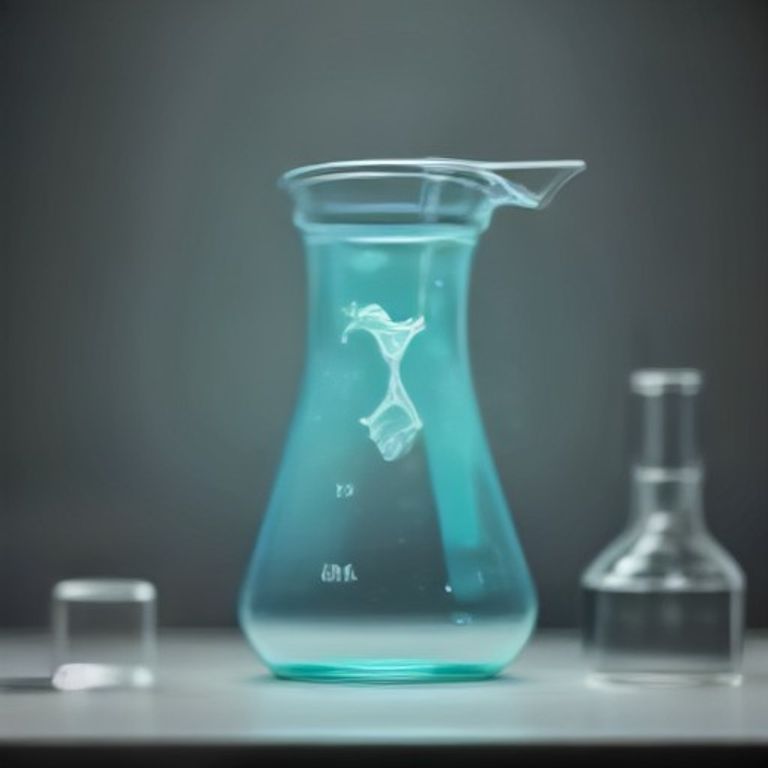
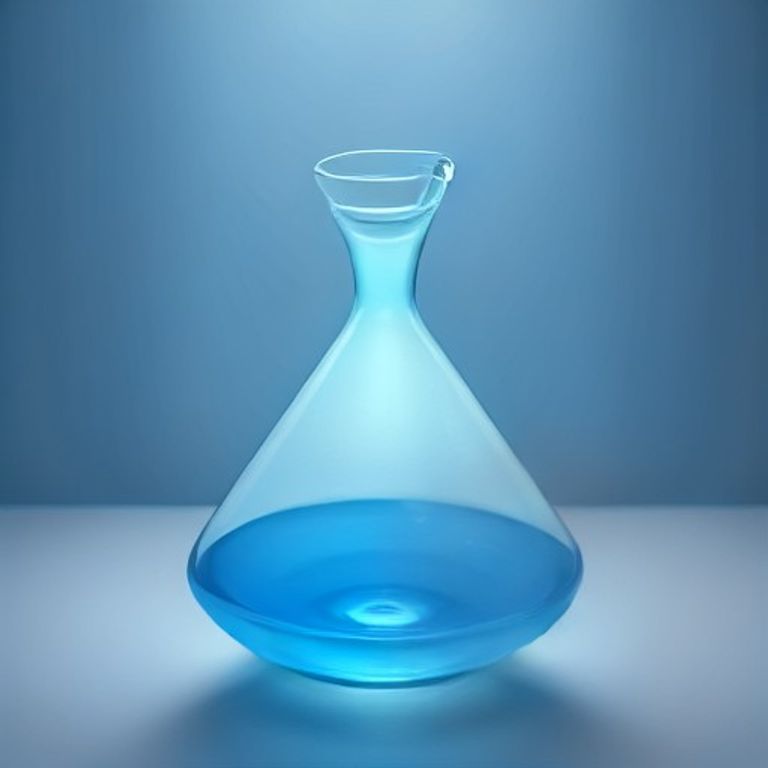
When I first stepped into a chemistry lab, the first glassware that caught my eye was the sleek, cone‑shaped Erlenmeyer flask. It’s not just a pretty face – this versatile vessel has a handful of practical tricks up its sleeve. In this article, I’ll walk you through the most common erlenmeyer flask uses, explain why it often beats a beaker, and give you some hands‑on tips to get the best results in your experiments.
1. Mixing and Swirling Solutions
The narrow neck of an Erlenmeyer flask makes it perfect for vigorous mixing without the risk of splashing. Think of it like a coffee mug with a lid: you can swirl your drink (or solution) and keep the foam (or liquid) inside.
- Ideal for reactions that need constant agitation.
- Easy to place a magnetic stir bar for automated mixing.
- Reduces evaporation compared to an open beaker.
2. Titrations – The Perfect Partner
Why use an Erlenmeyer flask for titrations? Its tapered shape lets you swirl the solution smoothly while you add the titrant drop by drop. The narrow opening also helps you see the color change clearly, which is crucial for accurate endpoint detection.
3. Heating Liquids Safely
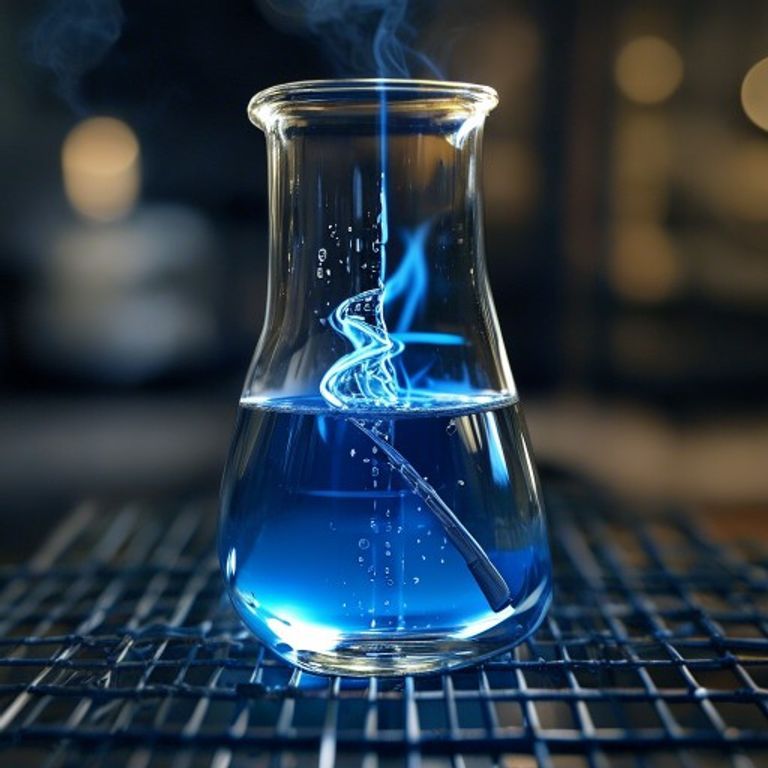
Because the flask’s shoulders are thick, it can handle direct heating over a Bunsen burner. Pair it with a wire gauze function to distribute heat evenly and prevent hot spots. This combo is a favorite for gentle boils or reflux setups.
4. Storing Small Volumes
When you need to keep a reagent for a short period, an Erlenmeyer flask with a screw‑cap or a rubber stopper does the job. Its shape minimizes the surface area exposed to air, slowing down oxidation or evaporation.
5. Filtration Set‑ups
Place a funnel inside the flask and you have a simple gravity filtration system. The conical shape directs the filtrate straight into the flask, making it easier to collect clear solutions without extra transfers.
6. Culturing Microorganisms (Biology Angle)
In biology labs, Erlenmeyer flasks are often used for growing bacterial cultures or yeast. The flask can be shaken on an orbital shaker, providing good oxygen transfer while the narrow neck prevents aerosol loss.
7. Standardizing Solutions
When you need a known concentration for calibration, you can dissolve a precise amount of solute in an Erlenmeyer flask and then dilute to a final volume using a graduated cylinder use. The flask’s shape ensures thorough mixing before you take the final volume.
Advantages Over a Beaker
- Reduced splashing: The narrow neck keeps liquids contained.
- Better heat distribution: Works well with a wire gauze.
- Easy to handle: Grip the flat bottom securely.
- Versatile: Suitable for mixing, heating, titrating, and storing.
Practical Tips for Getting the Most Out of Your Erlenmeyer Flask
- Always use a magnetic stir bar or a glass rod for uniform mixing.
- When heating, place the flask on a wire gauze to avoid direct flame contact.
- Label the flask with the contents, concentration, and date – especially for biological cultures.
- For precise volume work, combine the flask with a volumetric pipette use to add reagents dropwise.
Conclusion
The Erlenmeyer flask may look simple, but its design solves many everyday lab challenges. From safe heating to accurate titrations, this conical workhorse earns its spot on every bench. Next time you reach for a beaker, consider whether an Erlenmeyer flask could make your experiment smoother, safer, and more efficient.
FAQ
Q: Can I use an Erlenmeyer flask for high‑temperature reactions?
A: Yes, but always place it on a wire gauze to distribute heat evenly and avoid cracking.
Q: Is glass or plastic better for an Erlenmeyer flask?
A: Glass is preferred for most chemical reactions because it resists solvents and high temperatures. Plastic versions are useful for biological work where sterility is key.
Q: How do I clean an Erlenmeyer flask after a reaction?
A: Rinse with distilled water, then use a brush to scrub the interior. For stubborn residues, a mild acid or base soak works well.
Q: Can I store volatile liquids in an Erlenmeyer flask?
A: It’s possible with a tight‑fitting cap, but for long‑term storage, a sealed bottle is safer.
Q: What size flask should I choose for a 250 mL reaction?
A: A 250 mL Erlenmeyer flask is ideal, but a 500 mL flask gives extra headspace for vigorous reactions.