

Beaker Uses: Your Essential Guide to This Lab Workhorse

In the bustling world of scientific discovery, every piece of equipment plays a crucial role. But if I had to pick one unsung hero that’s always there, ready for action, it would definitely be the beaker. You see them everywhere – from high school science classes to advanced research labs – but have you ever stopped to think about all the amazing things this simple piece of laboratory glassware can do?
Today, we’re diving deep into beaker uses. We’ll explore what beakers are used for in a lab, why they’re indispensable, and clear up some common misconceptions. So, grab your lab coat (or just a comfy chair), and let’s unravel the secrets of this scientific staple!
Understanding the Humble Beaker
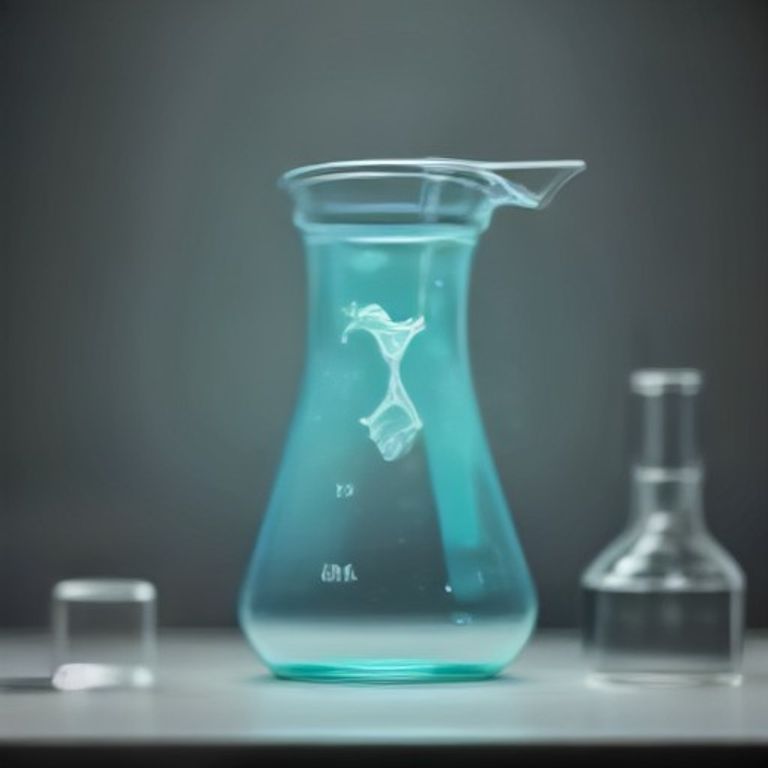
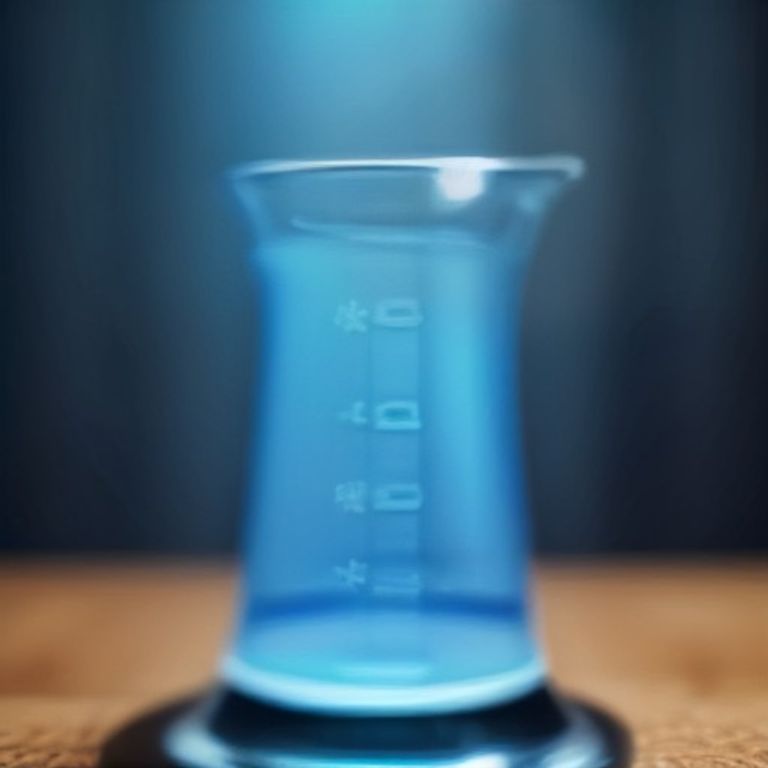
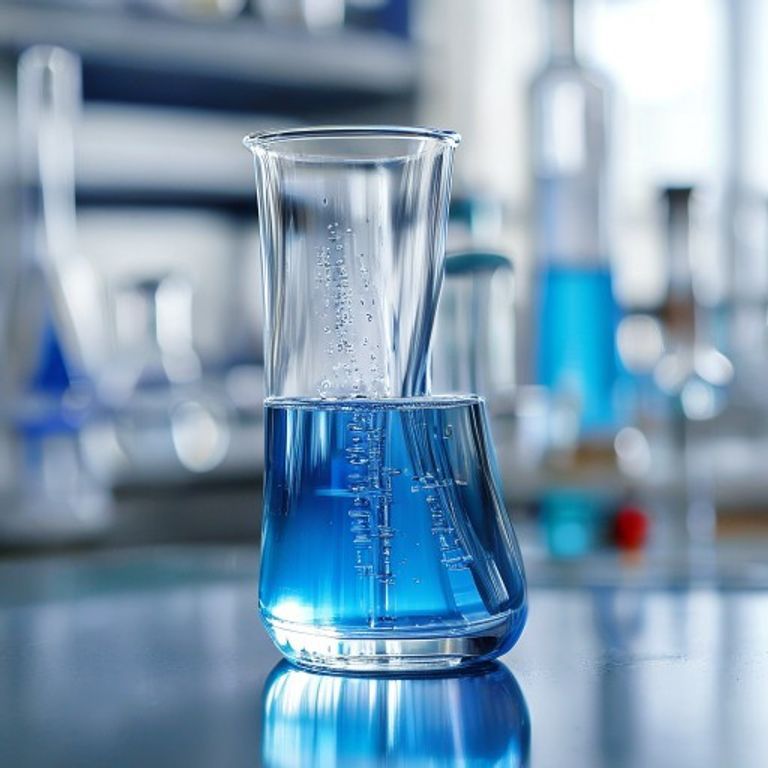
First off, what exactly is a beaker? Imagine a cylindrical container, usually made of borosilicate glass (think Pyrex, which is resistant to thermal shock), with a flat bottom and a small spout for easy pouring. They come in various sizes, from a tiny 5 mL to a massive 2000 mL or more.
One of the most important things to remember about beakers is their primary function: holding, mixing, and heating liquids. While they often have volume markings on their side, these are generally approximate. Think of a beaker like a kitchen measuring cup – great for general quantities, but not what you’d use for precise baking measurements. For that kind of accuracy, we turn to other tools, which we’ll discuss later!
What Are Beakers Used For in a Lab? The Core Applications
Let’s break down the most common uses for glass beakers in any scientific setting:
1. Mixing and Stirring Solutions
This is arguably the beaker’s most frequent job. Its wide mouth makes it perfect for adding multiple substances and stirring them together, whether with a glass rod, a magnetic stirrer, or even a spatula. The flat bottom ensures stability on a lab bench or stirring plate.
- Simple Mixing: Combining two or more liquids or dissolving solids into liquids.
- Reagent Preparation: Preparing solutions for experiments, where exact concentration isn’t critical at this stage.
2. Heating and Boiling Liquids
Thanks to their borosilicate glass construction, beakers are incredibly heat resistant. This makes them ideal for applications requiring heat.
- Direct Heating: Placing a beaker directly on a hot plate or over a Bunsen burner (usually with a wire gauze for even heat distribution).
- Boiling Water Baths: Often used as containers for water baths to heat other smaller vessels gently.
- Evaporation: Heating solutions to evaporate solvents and concentrate solutes.
When heating, always remember to use appropriate safety measures. For safe and even heating, we often rely on tools like wire gauze and appropriate lab stands.
3. Holding and Transferring Liquids
Beakers serve as excellent temporary containers for various liquids and solutions. Their spout makes pouring from one container to another clean and efficient, minimizing spills.
- Collecting Filtrates: Catching the liquid that passes through a filter during filtration.
- Temporary Storage: Holding a solution while you prepare other parts of an experiment.
- Waste Collection: Sometimes used to temporarily collect non-hazardous waste solutions.
4. Containing Chemical Reactions
While specialized flasks might be used for complex reactions, beakers are often the vessel of choice for straightforward chemical reactions where visibility and easy access are important.
- Precipitation Reactions: Observing the formation of solids from a solution.
- Acid-Base Reactions: Performing titrations (though Erlenmeyer flasks are often preferred for swirling without splashes).
Why Not for Precise Measuring? Beakers vs. Other Lab Glassware
We’ve touched on this, but it’s worth emphasizing: beakers are NOT for accurate volume measurements. Their wide mouths and general design make their markings only approximate. If you need precision, you’ll reach for other pieces of laboratory glassware like a graduated cylinder definition and use, volumetric flask, or pipette. These tools are specifically designed and calibrated for exact liquid volumes.
Beakers vs. Erlenmeyer Flasks
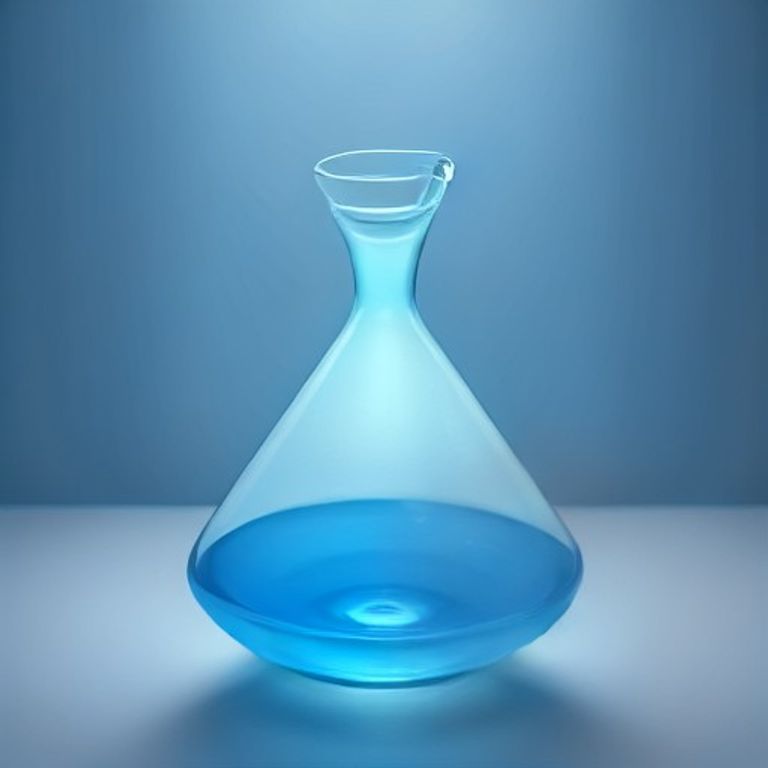
Often, students confuse beakers with Erlenmeyer flasks. While both are common in the lab, their shapes dictate different optimal uses. An Erlenmeyer flask has a conical body and a narrow neck, making it ideal for swirling liquids without splashing and for reducing evaporation. Beakers, with their wider mouth, are better for adding solids, easy stirring, and temporary storage.
Conclusion: The Indispensable Beaker
From simple mixing to heating complex solutions, the beaker truly is a versatile and fundamental piece of equipment in any laboratory. It might not be the flashiest, but its reliability and adaptability make it an essential tool for chemists, biologists, and scientists of all kinds. So, the next time you see a beaker, give it a nod of appreciation – it’s doing more heavy lifting than you might realize!
Frequently Asked Questions (FAQ)
Q1: Can I measure precise volumes with a beaker?
No, beakers are not designed for precise volume measurements. Their markings are approximate. For accurate measurements, use a graduated cylinder, volumetric flask, or pipette.
Q2: What material are beakers typically made from?
Most laboratory beakers are made from borosilicate glass (like Pyrex), which is known for its resistance to thermal shock and chemical inertness. Some plastic beakers are also available for less demanding applications.
Q3: Is it safe to heat a beaker directly on a flame?
Yes, borosilicate glass beakers can be heated directly over a Bunsen burner. However, always use a wire gauze on a tripod stand to ensure even heating and prevent the glass from cracking due to thermal stress.
Q4: What’s the main difference between a beaker and an Erlenmeyer flask?
A beaker has a cylindrical shape with a wide mouth, making it ideal for mixing, pouring, and general holding. An Erlenmeyer flask has a conical body and a narrow neck, which is better for swirling liquids without splashing, reducing evaporation, and stoppering.
Q5: Can I store chemicals long-term in a beaker?
Beakers are generally used for temporary holding or during experiments. For long-term storage of chemicals, especially those that are volatile or sensitive to light, it’s better to use stoppered bottles or specialized storage containers.