

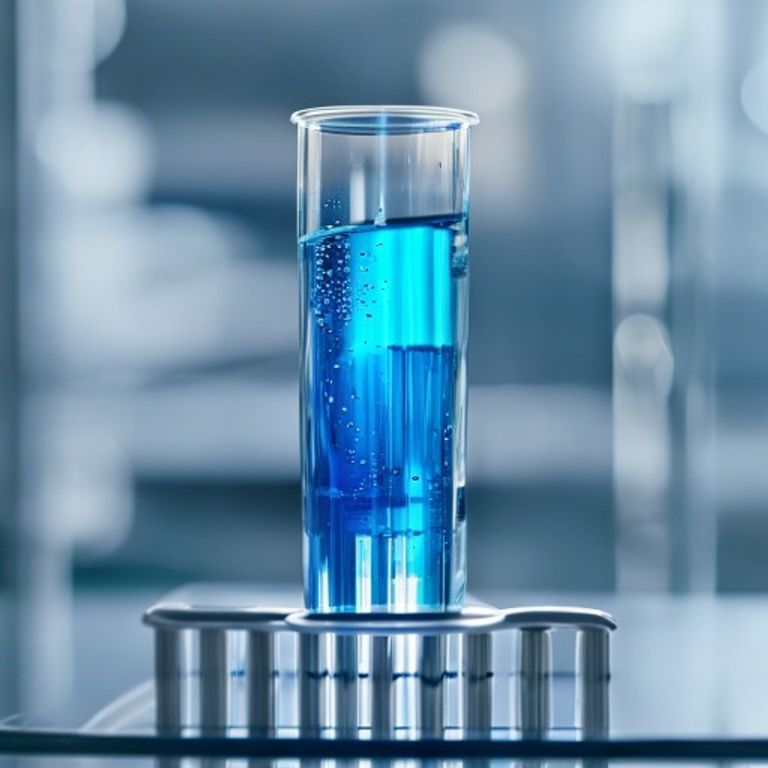
The Humble Test Tube: Unveiling Its Power in Labs, Diagnostics, and Beyond

Ever walked into a science lab, whether in school or on TV, and noticed those slender, finger-like glass tubes standing upright in racks? Yes, we’re talking about the trusty test tube! It might seem like a simple piece of laboratory glassware, but believe me, its role in scientific discovery and medical advancement is absolutely indispensable. Think of it as the unsung hero, quietly holding crucial samples and facilitating groundbreaking experiments. Without this unassuming little vessel, many of the scientific breakthroughs we’ve achieved simply wouldn’t be possible.
Today, we’re going to dive deep into the world of test tubes. We’ll explore not just what they are, but also what are test tubes used for in experiments, how to keep them sparkling clean, and most importantly, how to handle them safely. So, put on your metaphorical lab coat, and let’s get started!
What Exactly Are Test Tubes?
At its core, a test tube is a cylindrical glass or plastic tube, typically open at one end and closed with a rounded (U-shaped) bottom at the other. Most often, they’re made from borosilicate glass because this material is incredibly resistant to thermal shock (meaning it won’t crack easily when heated or cooled rapidly) and chemical corrosion. This makes them perfect for various chemical analysis and reactions.
You’ll find them in a range of sizes, from tiny micro-test tubes holding just a few milliliters to larger ones that can accommodate dozens. Each size serves a specific purpose, much like how we choose different-sized spoons for different dishes. They’re designed to hold small amounts of liquid or solid samples, facilitate mixing, and allow for easy heating or cooling.
The Versatile World of Test Tube Applications
When we talk about the different applications of test tubes in chemistry and beyond, we’re really talking about a vast universe of uses. These simple tubes are truly versatile scientific apparatus. Here are just a few examples:
- Chemical Reactions: This is probably the most iconic use. Scientists often mix small quantities of chemicals in test tubes to observe reactions, precipitate solids, or conduct titrations. Their narrow shape helps concentrate reactants and makes observing color changes or gas evolution easier.
- Sample Storage: Whether it’s blood, urine, tissue samples, or chemical compounds, test tubes are excellent for short-term sample storage. They can be capped to prevent evaporation or contamination.
- Microbiology and Biology: In biology labs, test tubes are crucial for culturing bacteria, yeast, or other microorganisms. They provide a controlled environment for growth and experimentation.
- Medical Diagnostics: The importance of test tubes in medical diagnostics cannot be overstated. From blood tests to urinalysis, test tubes are the primary vessels for collecting, transporting, and processing patient samples. Imagine getting a blood test without them – it would be impossible! If you want to dive deeper into this, check out this article on The Many Uses of Test Tubes: From Chemistry Labs to Medical Sample Collection.
- Heating and Cooling: Their shape makes them easy to hold over a Bunsen burner or place in a water bath, making them ideal for experiments requiring precise temperature control.
Keeping It Clean: How to Sterilize and Maintain Your Test Tubes
Just like we wash our dishes after every meal, how to clean and sterilize laboratory test tubes is a critical step in any lab. Proper cleaning ensures that there’s no cross-contamination between experiments, which could skew results or even be dangerous. Imagine trying to bake a cake in a bowl that still had garlic residue – yuck! The same principle applies here, but with much higher stakes.
Here’s a general approach we usually follow:
- Initial Rinse: Immediately after use, rinse the test tubes with tap water to remove any residual chemicals or biological material. This prevents substances from drying and sticking to the glass, making them harder to clean later.
- Detergent Wash: Use a laboratory-grade detergent and a test tube brush to scrub the inside thoroughly. Ensure you reach the bottom! For persistent residues, soaking might be necessary.
- Rinse Thoroughly: Rinse multiple times with tap water, followed by distilled or deionized water. This removes any detergent residue, which can also interfere with experiments.
- Drying: Place the clean test tubes upside down in a drying rack or oven to air dry completely. Moisture can dilute reagents or promote microbial growth.
- Sterilization (If Needed): For biological applications or sterile chemical work, sterilization is vital. The most common method is autoclaving, which uses high-pressure steam to kill microorganisms. Chemical sterilization using agents like ethanol or bleach can also be used, depending on the application. Mastering the cleaning process is crucial for various lab tools, much like the cleaning and practical tips for accurate lab work involving other sensitive equipment.
Safety First: Best Practices for Handling Test Tubes Safely
Best practices for handling test tubes safely is paramount in any lab environment. A broken test tube can be a physical hazard, and mishandling chemicals can lead to burns or exposure. Remember, laboratory safety isn’t just a guideline; it’s a way of life in the lab!
- Always Wear PPE: This includes safety goggles to protect your eyes from splashes, and gloves to protect your skin. A lab coat is also highly recommended.
- Use Test Tube Holders: Never hold a test tube directly over a flame with your bare hands. Use a test tube holder or clamp to secure it, especially when heating.
- Point Away: When heating liquids in a test tube, always point the open end away from yourself and others. Liquids can boil over or “bump” unexpectedly, ejecting hot chemicals.
- Avoid Overfilling: Don’t fill a test tube to the brim. Leave some space for expansion, especially if you’re heating it or adding other substances that might cause a reaction.
- Handle with Care: Glassware is fragile. Handle test tubes gently to avoid breakage. If a test tube breaks, dispose of it properly in a designated sharps container, not in the regular trash.
- Proper Storage: Store clean test tubes in a rack or stand to prevent them from rolling off the bench and breaking.
Conclusion
So there you have it – a comprehensive look at the humble yet mighty test tube. From its simple design to its profound impact across chemistry, biology, and medicine, this little piece of laboratory glassware truly is an essential tool. We’ve explored what test tubes are used for in experiments, how crucial they are for medical diagnostics, and how to ensure they’re always clean and handled safely.
Next time you see a test tube, I hope you’ll have a new appreciation for this small but powerful instrument that helps scientists unlock the mysteries of our world, one tiny sample at a time. Stay curious, and stay safe!
Frequently Asked Questions (FAQ)
Q1: Can test tubes be reused?
A1: Yes, most glass test tubes are designed for reuse, provided they are properly cleaned and sterilized after each use. Plastic test tubes, especially those used for medical samples, are often disposable to prevent cross-contamination.
Q2: What is the difference between a test tube and a beaker?
A2: While both are laboratory glassware, a test tube is a small, narrow, cylindrical tube with a rounded bottom, ideal for small-scale reactions, heating, and sample holding. A beaker is a wider, cylindrical container with a flat bottom and a spout, typically used for mixing, stirring, and heating larger volumes of liquids.
Q3: Why are test tubes usually made of borosilicate glass?
A3: Borosilicate glass (like Pyrex) is preferred because of its excellent resistance to thermal shock (it can withstand rapid temperature changes without breaking) and chemical resistance. This makes it safe and reliable for heating chemicals and handling various substances.
Q4: How do I dispose of chemicals in a test tube safely?
A4: Always refer to your lab’s specific safety protocols and chemical disposal guidelines. Never pour chemicals down the drain without knowing they are safe to do so. Often, chemicals need to be collected in designated waste containers for proper treatment or disposal.