

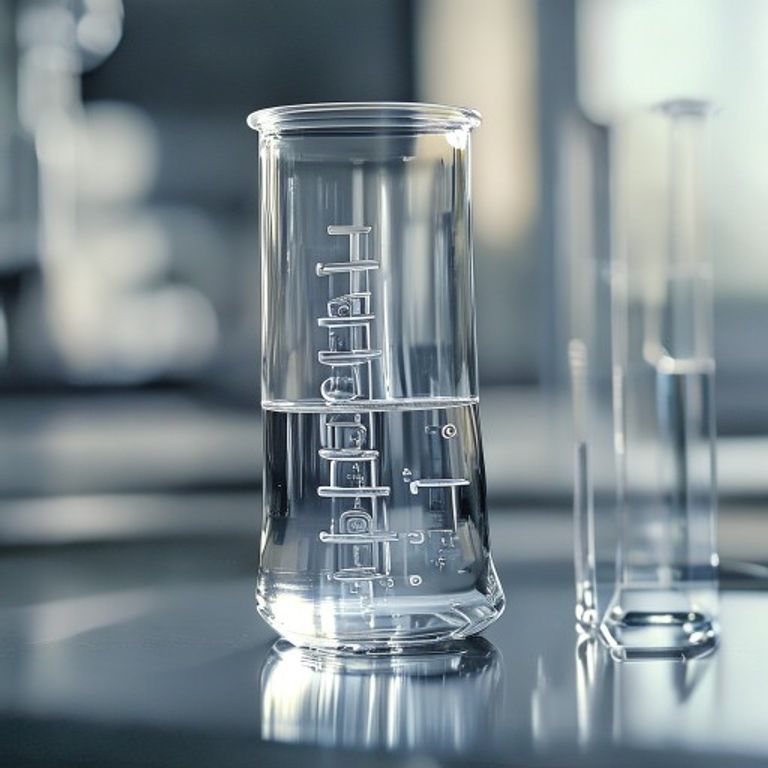
Mastering the Volumetric Flask: Calibration, Cleaning, and Practical Tips for Accurate Lab Work

Introduction
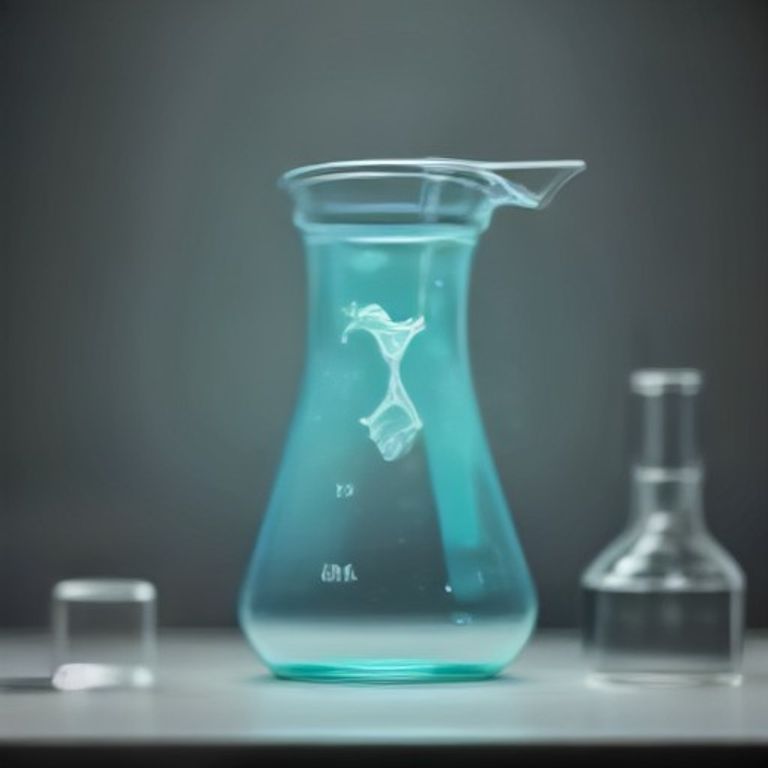
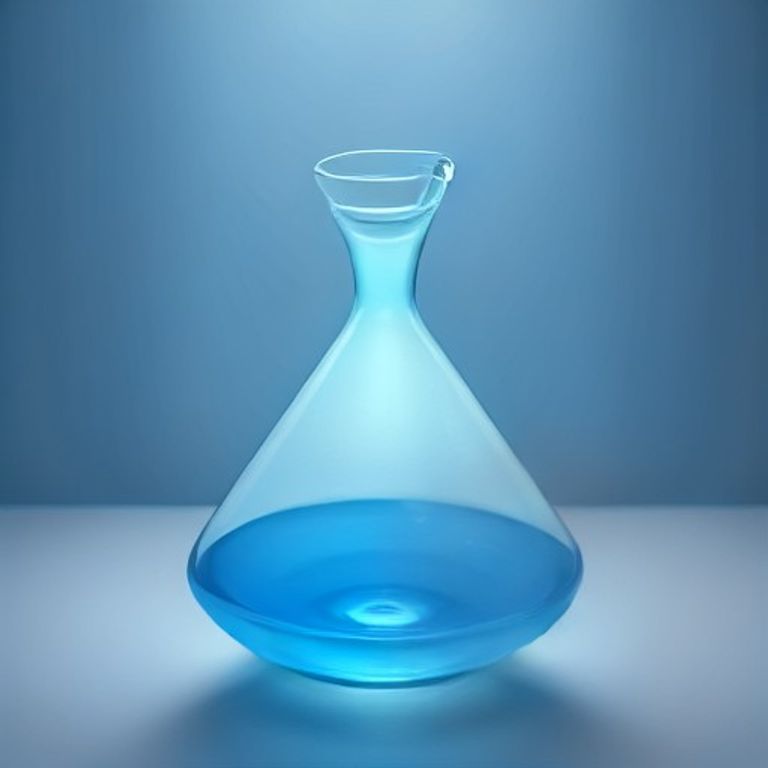
When I first stepped into a chemistry lab, the sleek, pear‑shaped glassware caught my eye – the volumetric flask. It’s the unsung hero for anyone who needs a precise liquid volume, whether you’re preparing standard solutions or running a titration. In this article I’ll walk you through everything you need to know: how to calibrate a volumetric flask, why it outperforms a beaker in accuracy, the best cleaning practices, and even a quick material showdown between glass and plastic.
Why Choose a Volumetric Flask Over a Beaker?
Think of a beaker as a “rough sketch” and a volumetric flask as a “fine‑tuned photograph.” Both hold liquid, but only the flask gives you the exact pixel count you need for analytical chemistry. The narrow neck and calibrated line mean you can trust the volume to within ±0.05 % for a 100 mL flask, while a beaker typically varies by ±1 % or more.
Key Advantages
- Precision: Single‑marked volume eliminates guesswork.
- Reproducibility: Same flask, same result – essential for standard solutions.
- Minimal Evaporation: Narrow neck reduces surface area.
How to Calibrate a Volumetric Flask
Even a brand‑new flask can drift out of tolerance after many cycles. Here’s my step‑by‑step calibration routine:
- Gather equipment: calibrated balance, distilled water, thermometer, and a temperature‑controlled room (20 °C is ideal).
- Weigh the empty flask: Record the tare weight.
- Fill to the mark: Use a pipette or a wash bottle to slowly approach the calibration line. Stop when the liquid meniscus touches the inner side of the neck.
- Weigh the filled flask: Subtract the tare weight to get the mass of water.
- Calculate volume: Divide the mass by the density of water at the measured temperature (e.g., 0.9982 g/mL at 20 °C).
- Compare: If the calculated volume is outside the flask’s tolerance, note the deviation and consider re‑calibrating or replacing the flask.
This simple technique ensures your essential uses of laboratory funnels and other glassware stay in sync with the flask’s precision.
Best Practices for Cleaning Volumetric Flasks
Cleaning might sound boring, but a dirty flask is a recipe for error. Follow these tips to keep your flask sparkling:
- Rinse immediately: After use, rinse with distilled water to prevent residue buildup.
- Use mild detergent: For stubborn stains, a few drops of lab‑grade detergent and a soft brush work wonders.
- Avoid abrasive tools: The narrow neck can be damaged easily – no steel wool.
- Final rinse: Rinse several times with deionized water, then let the flask air‑dry upside down on a clean rack.
Glass vs. Plastic: Which Material Suits Your Needs?
Both materials have pros and cons. Here’s a quick comparison:
| Aspect | Glass | Plastic |
|---|---|---|
| Chemical resistance | Excellent for acids, bases, organic solvents | Limited – can absorb solvents |
| Thermal stability | Handles autoclaving, high‑temp heating | Not suitable for high temperatures |
| Breakage risk | Fragile, can shatter | Durable, impact‑resistant |
| Cost | Higher upfront cost | Lower cost, but may need frequent replacement |
If you work with aggressive chemicals or need to autoclave, stick with glass. For field work where breakage is a concern, high‑quality polypropylene flasks are a pragmatic choice.
Using a Volumetric Flask for Titration Experiments
In titration, the accuracy of the analyte solution determines the whole experiment’s reliability. Here’s how I integrate the flask into a typical titration workflow:
- Prepare the titrant by dissolving the exact amount of solute in the flask and filling to the mark.
- Mix gently by swirling – the narrow neck ensures uniform concentration.
- Transfer aliquots to the titration flask using a pipette; the calibrated volume guarantees consistent sample size.
Because the flask provides a known volume, you can focus on the endpoint detection without worrying about concentration errors.
FAQ
Can I use a volumetric flask for measuring liquids other than water?
Yes, but remember that the calibration is based on water density at a specific temperature. For other liquids, you’ll need to apply a correction factor based on their density.
How often should I recalibrate my flask?
For routine work, an annual check is sufficient. If the flask has been dropped, exposed to extreme temperatures, or shows visible wear, recalibrate immediately.
Is it okay to store a volumetric flask with the cap off?
No. Storing it capped prevents dust and moisture from entering, which could affect both accuracy and cleanliness.
What’s the difference between a 100 mL and a 250 mL flask in terms of accuracy?
Both meet the same relative tolerance (e.g., ±0.05 % for Class A). However, larger flasks may have slightly higher absolute error due to the larger volume.
Can I use a plastic volumetric flask for high‑precision work?
Plastic flasks are generally less precise than glass because of wall thickness variability and potential solvent absorption. For high‑precision analytical work, glass is the safer bet.
Conclusion
Mastering the volumetric flask is like learning to ride a bike – once you get the balance right, you’ll never look back. From calibration to cleaning, material choice to titration applications, these practical tips will keep your measurements spot‑on and your lab workflow smooth. Happy measuring!