

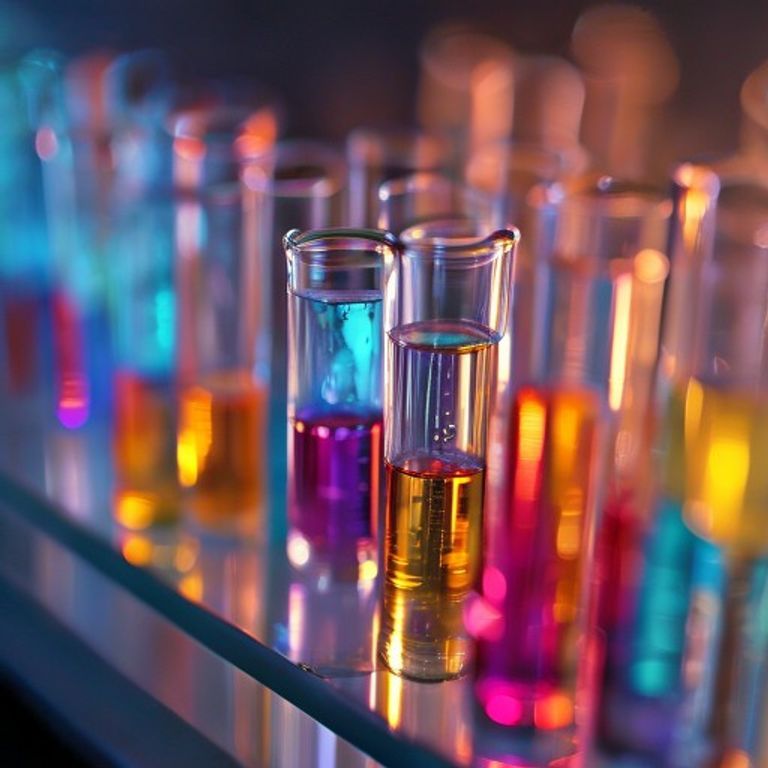
The Many Uses of Test Tubes: From Chemistry Labs to Medical Sample Collection

Introduction
When we step into any lab—whether it’s a bustling chemistry classroom, a quiet biology research room, or a clinical diagnostics center—the first thing we often spot is the humble test tube. It may look simple, but this little piece of laboratory glassware is a real workhorse. In this article, I’ll walk you through the most common and some surprising uses of test tubes, show you how to handle them safely, and share practical tips you can apply right away.
Why Test Tubes Matter in Modern Labs
Test tubes are more than just tiny cylinders of glass. Their design—wide opening, narrow neck, and sturdy base—makes them perfect for:
- Mixing small volumes of liquids quickly.
- Heating substances over a Bunsen burner without spilling.
- Storing samples for short‑term analysis.
- Observing reactions that produce gases or precipitates.
Think of a test tube as the “Swiss Army knife” of laboratory glassware: versatile, portable, and ready for almost any task.
Key Applications in Different Fields
1. Chemistry Experiments
In chemistry, test tubes are the go‑to vessel for:
- Reagent mixing: Adding a few drops of acid to a base to see the color change.
- Heating reactions: Placing a test tube in a water bath or over a flame for controlled temperature rise.
- Gas collection: Inverting a test tube over a reacting mixture to capture released gases.
If you’re looking for more examples of how simple glassware can boost your experiments, check out the essential uses of laboratory funnels that often accompany test tube work.
2. Biology Labs
Biologists love test tubes for tasks such as:
- Culture growth: Growing bacteria or yeast in nutrient broth.
- Enzyme assays: Measuring activity by mixing substrates and enzymes.
- Sample centrifugation: Placing tubes in a micro‑centrifuge to separate cells from supernatant.
Because they’re easy to label and stack, test tubes keep your specimens organized and prevent cross‑contamination.
3. Medical Settings
In hospitals and clinics, test tubes become the frontline for diagnostic testing:
- Blood collection: Vacutainer tubes with different additives (EDTA, heparin) preserve blood for specific tests.
- Urine analysis: Small tubes hold samples for dip‑stick or microscopic examination.
- Serum separation: After centrifugation, serum is collected from the top of the tube for chemistry panels.
Proper handling ensures accurate results and patient safety.
4. Sample Collection & Storage
When you need to gather a liquid sample in the field—say, water from a river or a soil extract—test tubes are ideal because they:
- Fit easily into portable coolers.
- Seal with caps to avoid evaporation.
- Allow quick labeling with waterproof markers.
Just remember to choose the right material (glass vs. plastic) based on chemical compatibility.
5. Specialized Types and Their Unique Uses
Not all test tubes are created equal. Here are a few variations and why you might pick them:
- Round‑bottom test tubes: Better for uniform heating and mixing.
- Flat‑bottom test tubes: Stable on benches, great for standing reactions.
- Plastic micro‑test tubes: Disposable, ideal for high‑throughput screening.
- Colored cap tubes: Quickly identify sample type (e.g., red for serum, purple for EDTA blood).
Pairing the right tube with the right task can save time and reduce errors.
Practical Tips for Using Test Tubes Effectively
- Label immediately: Write the date, sample ID, and any reagents on the tube cap or side.
- Use a test tube rack: Prevents breakage and keeps workstations tidy.
- Don’t overfill: Leave at least 1 cm of headspace to allow for mixing and expansion.
- Heat safely: Rotate the tube while heating to avoid localized hotspots.
- Dispose properly: Glass tubes go to sharps containers; plastic ones to biohazard waste if contaminated.
FAQ
What are test tubes used for in chemistry?
They’re primarily used for mixing small volumes, heating reactions, and capturing gases. Their shape allows easy observation of color changes or precipitate formation.
Can I use a test tube for long‑term sample storage?
Generally, test tubes are meant for short‑term storage (hours to a few days). For longer periods, consider vials with tighter seals or cryogenic storage.
How do I choose between glass and plastic test tubes?
Glass is chemically inert and can withstand high temperatures, while plastic is disposable, lighter, and less prone to breakage. Choose based on the chemicals you’ll handle and whether you need to heat the tube.
Are there safety concerns when heating test tubes?
Yes. Always use a test tube holder, rotate the tube, and avoid heating sealed tubes to prevent explosions.
What is the difference between a test tube and a micro‑centrifuge tube?
Micro‑centrifuge tubes are much smaller (0.5–2 mL) and designed for high‑speed centrifugation, whereas standard test tubes hold 5–25 mL and are more versatile for mixing and heating.
Conclusion
From simple color‑change experiments in a high school chemistry class to critical blood tests in a hospital lab, test tubes prove they’re indispensable. By understanding their various applications, choosing the right type, and following best practices, we can make the most out of this modest yet mighty piece of scientific equipment. So next time you pick up a test tube, remember it’s not just a tube—it’s a gateway to discovery.