

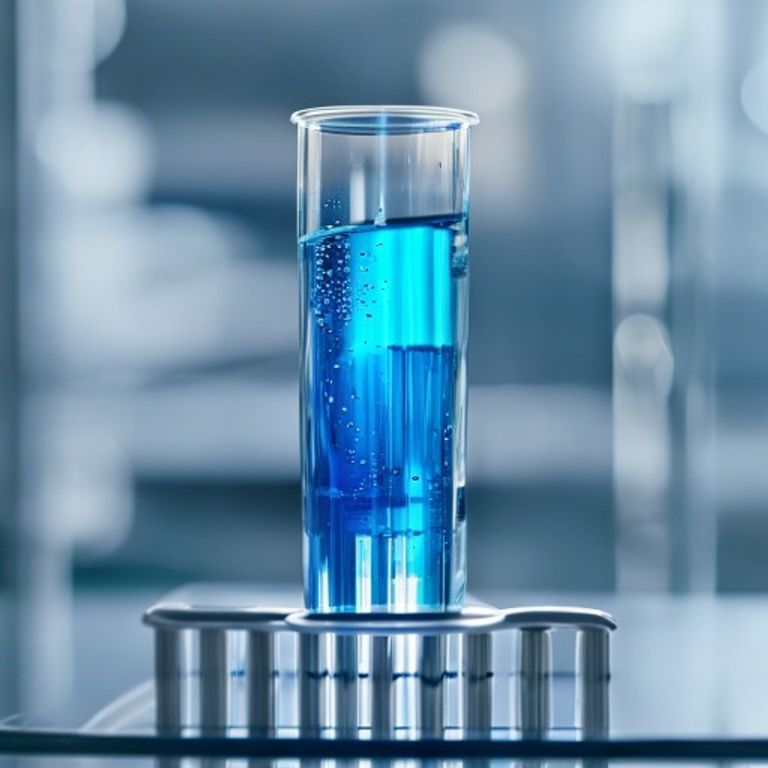
Le tube d'essai Humble: Dévoiler son pouvoir dans les laboratoires, les diagnostics et au-delà

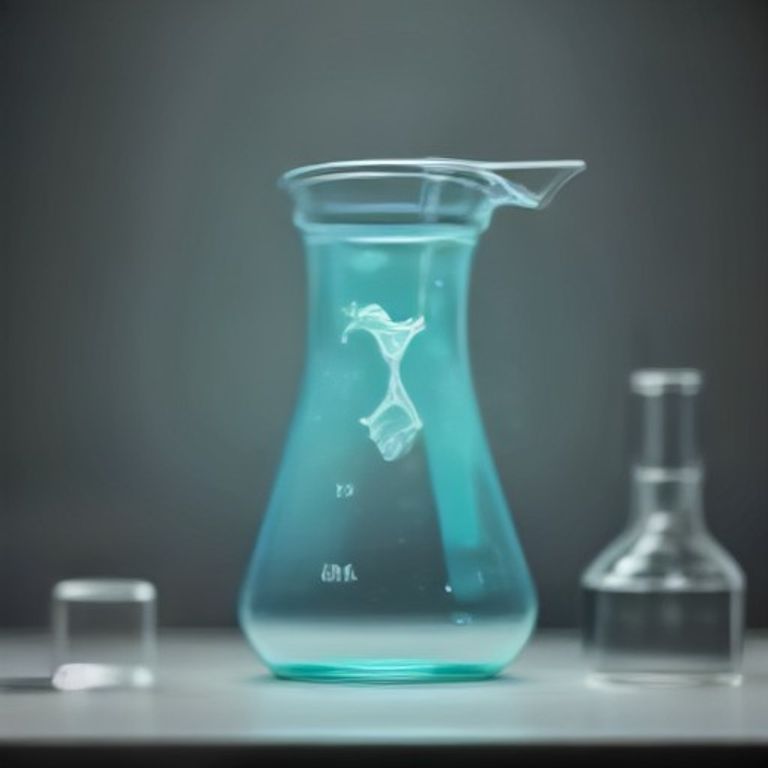
A-t-on déjà pénétré dans un laboratoire scientifique, à l'école ou à la télé, et remarqué ces tubes de verre minces, comme des doigts, debout dans des racks ? Oui, nous parlons de la confiance tube d'essai- Oui. Cela pourrait sembler un simple morceau de verrerie de laboratoireMais croyez-moi, son rôle dans la découverte scientifique et le progrès médical est absolument indispensable. Pensez-y comme le héros méconnu, tenant tranquillement des échantillons cruciaux et facilitant des expériences révolutionnaires. Sans ce petit vaisseau sans prétention, beaucoup des percées scientifiques que nous avons réalisées ne seraient tout simplement pas possibles.
Aujourd'hui, nous allons plonger profondément dans le monde des tubes d'essai. Nous explorerons non seulement ce qu'ils sont, mais aussi pour quels tubes d'essai sont utilisés dans les expériences, comment les garder propres, et surtout comment les manipuler en toute sécurité. Mets ton manteau métaphorique de labo, et laisse-les commencer !
Que sont exactement les tubes d'essai?
Dans son cœur, tube d'essai est un tube cylindrique en verre ou en plastique, généralement ouvert à une extrémité et fermé avec un fond arrondi (en U) à l'autre. Le plus souvent, ils sont fabriqués à partir de verre borosilicate parce que ce matériau est incroyablement résistant aux chocs thermiques (ce qui signifie qu'il ne se fissure pas facilement lorsqu'il est chauffé ou refroidi rapidement) et à la corrosion chimique. Cela les rend parfaits pour divers analyse chimique et des réactions.
Vous les trouverez dans une gamme de tailles, des petits tubes micro-test contenant seulement quelques millilitres aux plus grands qui peuvent accueillir des dizaines. Chaque taille sert un but spécifique, tout comme la façon dont nous choisissons des cuillères de différentes tailles pour différents plats. Ils sont conçus pour contenir de petites quantités d'échantillons liquides ou solides, faciliter le mélange et faciliter le chauffage ou le refroidissement.
Le monde polyvalent des applications de tubes d'essai
Quand on parle de différentes applications des tubes d'essai en chimie et au-delà, nous parlons vraiment d'un vaste univers d'utilisations. Ces tubes simples sont vraiment polyvalents appareils scientifiques. Voici quelques exemples :
- Réactions chimiques: C'est probablement l'usage le plus emblématique. Les scientifiques mélangent souvent de petites quantités de produits chimiques dans les tubes d'essai pour observer les réactions, précipiter les solides ou effectuer des titrations. Leur forme étroite aide à concentrer les réactifs et facilite l'observation des changements de couleur ou l'évolution du gaz.
- Stockage des échantillons : Qu'il s'agisse de sang, d'urine, d'échantillons de tissus ou de composés chimiques, les tubes d'essai sont excellents pour le court terme stockage des échantillons. Ils peuvent être plafonnés pour prévenir l'évaporation ou la contamination.
- Microbiologie et biologie : Dans les laboratoires de biologie, les tubes d'essai sont essentiels pour cultiver des bactéries, des levures ou d'autres microorganismes. Ils fournissent un environnement contrôlé pour la croissance et l'expérimentation.
- Diagnostic médical : Les importance des tubes d'essai dans les diagnostics médicaux ne peut être surestimé. Des analyses sanguines à l'analyse d'urine, les tubes d'analyse sont les principaux vaisseaux de collecte, de transport et de traitement des échantillons de patients. Imaginez une analyse de sang sans eux – ce serait impossible! Si vous voulez plonger plus profondément dans ceci, consultez cet article sur Les nombreuses utilisations des tubes d'essai : des laboratoires de chimie aux échantillons médicaux.
- Chauffage et refroidissement: Leur forme les rend faciles à retenir sur un brûleur Bunsen ou à placer dans un bain d'eau, ce qui les rend idéales pour des expériences nécessitant un contrôle précis de la température.
Le garder propre: Comment stériliser et maintenir vos tubes d'essai
Tout comme nous lavons nos plats après chaque repas, comment nettoyer et stériliser les tubes d'essai en laboratoire est une étape critique dans n'importe quel laboratoire. Un nettoyage approprié garantit qu'il n'y a pas de contamination croisée entre les expériences, ce qui pourrait fausser les résultats ou même être dangereux. Imaginez essayer de faire cuire un gâteau dans un bol qui avait encore des résidus d'ail – yuck! Le même principe s'applique ici, mais avec des enjeux beaucoup plus élevés.
Voici une approche générale que nous suivons habituellement:
- Rincement initial: Immédiatement après l'utilisation, rincer les tubes d'essai avec de l'eau du robinet pour éliminer tout produit chimique ou matériel biologique résiduel. Cela empêche les substances de sécher et de coller au verre, ce qui les rend plus difficiles à nettoyer plus tard.
- Détergent Wash: Utilisez un détergent de qualité laboratoire et une brosse à tube d'essai pour bien frotter l'intérieur. Assurez-vous d'atteindre le bas! Pour les résidus persistants, un trempage peut être nécessaire.
- Rincer abondamment: Rincer plusieurs fois à l'eau du robinet, puis à l'eau distillée ou désionisée. Cela élimine tout résidu de détergent, qui peut également interférer avec les expériences.
- Séchage: Placer les tubes d'essai propres à l'envers dans une grille de séchage ou un four pour sécher complètement. L'humidité peut diluer les réactifs ou favoriser la croissance microbienne.
- Stérilisation (si nécessaire): Pour les applications biologiques ou les travaux chimiques stériles, la stérilisation est essentielle. La méthode la plus courante est l'autoclave, qui utilise la vapeur à haute pression pour tuer les microorganismes. La stérilisation chimique à l'aide d'agents comme l'éthanol ou l'eau de Javel peut également être utilisée, selon l'application. La maîtrise du processus de nettoyage est cruciale pour divers outils de laboratoire, tout comme le nettoyage et conseils pratiques pour un travail de laboratoire précis impliquant d'autres équipements sensibles.
Sécurité d'abord: Meilleures pratiques pour manipuler les tubes d'essai en toute sécurité
Meilleures pratiques pour manipuler les tubes d'essai en toute sécurité est primordial dans tout environnement de laboratoire. Un tube d'essai cassé peut représenter un danger physique et des produits chimiques mal traités peuvent entraîner des brûlures ou une exposition. Souviens-toi, sécurité du laboratoire n'est pas juste une ligne directrice ; c'est un mode de vie dans le labo !
- Toujours porter un EPI : Cela comprend des lunettes de sécurité pour protéger vos yeux contre les éclaboussures et des gants pour protéger votre peau. Un manteau de laboratoire est également fortement recommandé.
- Utiliser des porte-tubes d'essai : Ne tenez jamais un tube d'essai directement sur une flamme avec vos mains nues. Utilisez un support de tube d'essai ou une pince pour le fixer, surtout lors du chauffage.
- Point de sortie: Lors du chauffage des liquides dans un tube d'essai, pointez toujours la fin ouverte loin de vous et les autres. Les liquides peuvent bouillir ou « bouillir » de façon inattendue, éjectant des produits chimiques chauds.
- Évitez le surremplissage : Ne remplissez pas un tube d'essai sur le bord. Laissez un peu d'espace pour l'expansion, surtout si vous le chauffez ou ajoutez d'autres substances qui pourraient causer une réaction.
- Poignée avec soin : La verrerie est fragile. Manipulation des tubes d'essai en douceur pour éviter toute rupture. Si un tube d'essai se brise, jetez-le correctement dans un contenant spécial, et non dans la poubelle ordinaire.
- Stockage adéquat: Entreposer les tubes d'essai propres dans un support ou un support pour les empêcher de rouler et de casser le banc.
Conclusion
Alors vous l'avez là – un regard complet sur l'humble mais puissant tube d'essai. De sa conception simple à son impact profond sur la chimie, la biologie et la médecine, ce petit morceau de verrerie de laboratoire vraiment est un outil essentiel. Nous avons exploré pour quels tubes d'essai sont utilisés dans les expériences, combien ils sont cruciaux pour diagnostics médicaux, et comment s'assurer qu'ils sont toujours propres et manipulés en toute sécurité.
La prochaine fois que vous verrez un tube d'essai, j'espère que vous aurez une nouvelle appréciation pour cet instrument petit mais puissant qui aide les scientifiques à débloquer les mystères de notre monde, un petit échantillon à la fois. Restez curieux et en sécurité !
Foire aux questions (FAQ)
Q1: Les tubes d'essai peuvent-ils être réutilisés?
R1 : Oui, la plupart des tubes d'essai en verre sont conçus pour être réutilisés, pourvu qu'ils soient correctement nettoyés et stérilisés après chaque utilisation. Les tubes d'essai en plastique, surtout ceux utilisés pour les échantillons médicaux, sont souvent jetables pour prévenir la contamination croisée.
Q2: Quelle est la différence entre un tube d'essai et un bécher?
A2: Alors que les deux sont verrerie de laboratoire, un tube d'essai est un petit tube cylindrique étroit avec un fond arrondi, idéal pour les réactions à petite échelle, le chauffage et la fixation de l'échantillon. Un bécher est un récipient cylindrique plus large avec un fond plat et un bec, généralement utilisé pour mélanger, remuer et chauffer de plus grands volumes de liquides.
Q3 : Pourquoi les tubes d'essai sont-ils habituellement en verre borosilicaté ?
A3: Borosilicate glass (like Pyrex) is preferred because of its excellent resistance to thermal shock (it can withstand rapid temperature changes without breaking) and chemical resistance. This makes it safe and reliable for heating chemicals and handling various substances.
Q4 : Comment puis-je éliminer les produits chimiques dans un tube d'essai en toute sécurité?
A4: Always refer to your lab’s specific safety protocols and chemical disposal guidelines. Never pour chemicals down the drain without knowing they are safe to do so. Often, chemicals need to be collected in designated waste containers for proper treatment or disposal.