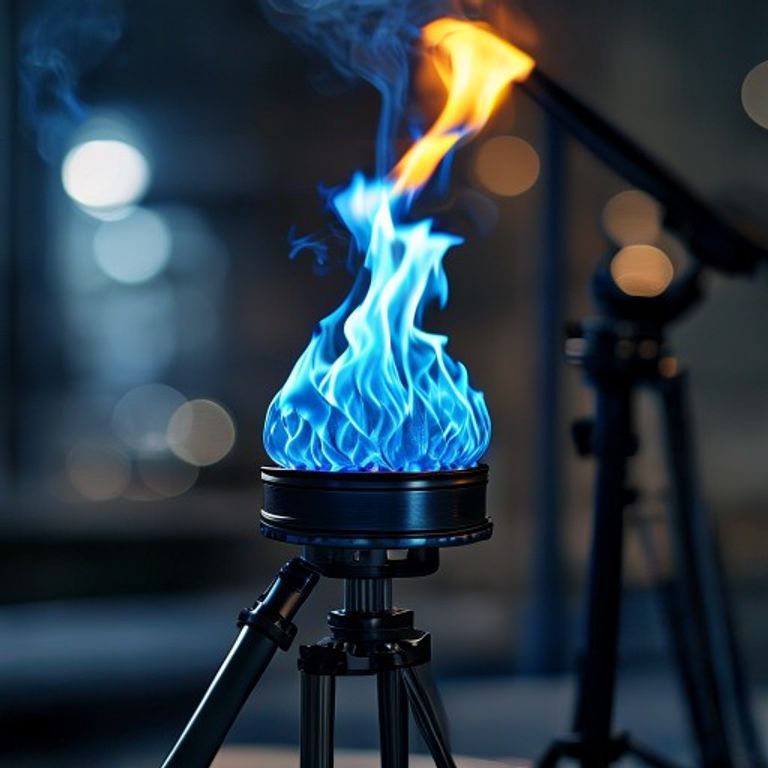
Mastering the Bunsen Burner: Safety, Flame Control, and Choosing the Right Model for Any Lab

Introduction
When I first stepped into a chemistry lab, the Bunsen burner felt like a tiny dragon waiting to be tamed. With a simple twist of a knob, you can go from a gentle blue lick to a roaring orange blaze. In this article we’ll explore how to adjust the flame, follow essential safety guidelines, pick the best burner for high‑temperature work, troubleshoot a low‑flame situation, and even consider portable options for field chemistry. Let’s light it up—safely!
How to Adjust the Flame on a Bunsen Burner
Flame control is all about two valves: the gas flow and the air‑intake collar. Think of the gas valve as the fuel tap and the collar as the breath that mixes with it.
Step‑by‑step adjustment
- Close the gas valve. Always start with the gas off.
- Turn the collar fully clockwise. This blocks air, giving you a yellow, sooty flame (useful only for heating quickly, not for precise work).
- Open the gas valve slowly. You’ll see a small, pale blue flame appear.
- Rotate the collar counter‑clockwise. As more air mixes, the flame becomes a steady, non‑luminous blue with an inner cone—ideal for most experiments.
- Fine‑tune. Slight adjustments to the gas valve change flame size; minor collar tweaks sharpen the inner cone.
Safety Guidelines for Using a Bunsen Burner in the Lab
Safety isn’t just a checklist; it’s a habit. Here’s what we always do before lighting that flame:
- Wear safety goggles, lab coat, and heat‑resistant gloves.
- Make sure the work area is clear of flammable materials (paper, solvents, etc.).
- Check that the gas supply line is intact and the regulator is set to the correct pressure.
- Never leave a lit burner unattended.
- Keep a fire extinguisher or a sand bucket within arm’s reach.
For a deeper dive into lab safety, you can refer to Choosing the Right Tripod Stand for Chemistry, which also emphasizes stable setups that prevent accidental tip‑overs.
Best Bunsen Burner for High‑Temperature Experiments
Not all burners are created equal. When you need temperatures above 1500 °C, look for these features:
- Sturdy metal construction (usually brass or stainless steel) to withstand prolonged heat.
- Adjustable air‑mixing collar that can deliver a hotter, more luminous flame.
- Wide‑mouth chimney for better flame stability.
- High‑flow gas regulator to increase fuel supply without sacrificing control.
Our The Ultimate Guide to Bunsen Burners reviews several models that excel in high‑temperature performance, helping you pick the right one for your research.
Troubleshooting Low‑Flame Issues
A low or sputtering flame can be frustrating, but most problems are easy to fix:
- Check the gas supply. Low pressure or an empty cylinder will starve the burner.
- Inspect the air‑intake collar. Dust or debris can block airflow; clean it with a soft brush.
- Verify the regulator. A faulty regulator may not deliver consistent flow.
- Look for leaks. Use a soap‑water solution on connections; bubbles indicate a leak.
If the flame remains weak after these steps, it might be time to replace the burner or the gas line.
Portable Bunsen Burners for Field Chemistry
Fieldwork demands flexibility. Portable burners are usually smaller, lighter, and use disposable fuel canisters (often propane or butane). Key considerations:
- Weight and size. Aim for a compact design that fits in a backpack.
- Fuel type. Propane works well in colder climates; butane is ideal for warmer conditions.
- Safety features. Look for built‑in pressure relief valves and sturdy bases.
Even on the go, never skip the safety steps: wear goggles, keep a fire blanket handy, and work in a well‑ventilated area.
Conclusion
Mastering the Bunsen burner is a blend of understanding flame physics, respecting safety protocols, and choosing the right equipment for the job. Whether you’re adjusting a flame for a titration, heating a crucible to 1800 °C, or conducting a quick analysis in the field, the principles stay the same: control, caution, and confidence. Keep these tips in mind, and the Bunsen burner will become a reliable partner in every experiment.
FAQ
What is the ideal flame for most lab work?
A steady, non‑luminous blue flame with a well‑defined inner cone provides the hottest, cleanest heat for most chemical procedures.
Can I use a Bunsen burner with natural gas?
Yes, but you must adjust the air‑mixing collar more open because natural gas (mostly methane) has a different combustion profile than propane.
How often should I clean the air‑intake collar?
Inspect it before each use. A quick brush once a month is enough for most labs, but heavy‑use environments may need weekly cleaning.
Is a portable Bunsen burner as safe as a bench‑top model?
Portable burners have built‑in safety valves, but you still need to follow the same protective gear and ventilation rules as in the lab.
What should I do if the flame goes out unexpectedly?
Turn off the gas supply immediately, check for leaks, ensure the collar is not fully closed, and verify the fuel source before reigniting.