


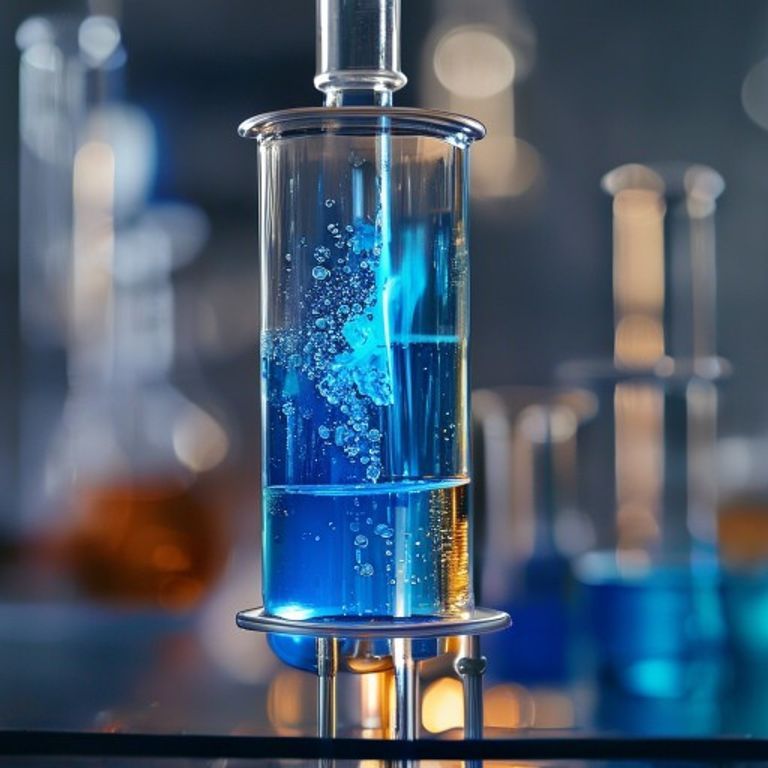
Beyond the Beaker: Unveiling the Essential Test Tube Uses in Science & Everyday Life

When we picture a science lab, what’s one of the first things that comes to mind? For many of us, it’s those slender, transparent glass tubes – the humble test tubes. They might look simple, just a cylinder with a rounded bottom, but trust me, their utility is anything but basic. As content writers, we often simplify complex ideas, and today, I want to take you on a journey to explore the incredibly diverse and essential test tube uses, not just in the high-tech world of scientific research but even in surprising ways outside the lab.
From isolating tiny samples to facilitating crucial chemical reactions, test tubes are the unsung heroes of countless scientific endeavors. Let’s dive in and discover why these pieces of test tubes from science experiments are indispensable tools and how their specific applications make our world a better, more understood place.
The Heart of the Lab: Primary Test Tube Uses in Chemistry
In chemistry, test tubes are practically our best friends. They are fantastic for handling small quantities of liquids and performing reactions where we need to observe changes closely. Think of them as miniature reactors, perfect for controlled environments.
Mixing and Observing Chemical Reactions
This is probably the most common purpose of using test tubes in chemistry. Their narrow opening helps minimize evaporation, and their transparency allows us to easily observe color changes, precipitate formation, or gas evolution. We often use them for qualitative analysis – just adding a few drops of this and that to see what happens. It’s like a tiny, controlled magic show!
When mixing, sometimes we need a little help. That’s where a stirring rod in labs becomes invaluable, gently agitating the contents without spilling.
Heating Liquids and Solids
Need to heat a small amount of solution? Test tubes are perfect for that. Their small volume means they heat up quickly and evenly when placed over a Bunsen burner. However, we always need to be careful! We never point the opening towards ourselves or others, and we usually use a test tube clamp to hold it. When heating, we might also use a wire gauze in chemistry experiments if we’re using a beaker or flask to ensure even heat distribution, though test tubes are often heated directly.
Sample Collection and Storage
From collecting samples of newly synthesized compounds to storing reagents for later use, test tubes are incredibly handy. They come with various stoppers or caps to keep contents secure and prevent contamination, which is super important in any scientific experiment.
Test Tubes in Biology: More Than Just a Container
It’s not just chemistry labs that benefit from these versatile pieces of laboratory glassware. In biology, test tubes play an equally crucial role, especially when dealing with delicate biological samples.
Culturing Microorganisms
If you’ve ever been in a microbiology lab, you’ve definitely seen test tubes filled with colorful broths. These are often used to grow bacteria, yeast, or other microorganisms. The controlled environment of a test tube makes it ideal for observing growth patterns, testing antibiotic sensitivity, or preparing cultures for further study. It’s how scientists can study tiny life forms up close!
Blood and Urine Sample Collection
In clinical settings, specialized test tubes (often with vacuum seals and specific additives) are used for collecting blood, urine, and other bodily fluids. These samples are then processed to diagnose illnesses, monitor health, or conduct research. This is a very common specific application of test tubes in labs, something many of us have experienced firsthand during a doctor’s visit.
DNA and RNA Extraction
When working with genetic material, precision is key. Test tubes provide the perfect container for the intricate steps of DNA and RNA extraction, where tiny volumes of reagents are added to isolate genetic material for analysis. It truly highlights what is the function of a test tube in biology – to facilitate critical, small-scale processes.
Beyond Experiments: Unexpected Test Tube Applications
While their primary home is undeniably the laboratory, the different types of test tube applications extend far beyond scientific experiments. Their simple yet functional design makes them surprisingly useful in everyday life.
Home Decor and Craft Projects
We’ve seen them used as miniature vases for single flowers or small plant propagations. Some people even get creative and turn them into unique spice racks or small storage containers for beads, glitter, or other craft supplies. It’s amazing how a little creativity can transform a scientific tool into something beautiful and practical for your home.
Party Favors and Unique Packaging
For themed parties, test tubes can make fun and quirky shot glasses or containers for candy, sprinkles, or even personalized messages. They offer a unique way to present small gifts or treats, adding a touch of scientific flair to your celebrations.
Choosing the Right Test Tube: Material Matters
Just like choosing the right tool for a carpentry job, picking the correct test tube depends on its intended use. Most commonly, you’ll find:
- Borosilicate Glass Test Tubes: These are the workhorses of the lab, known for their excellent resistance to thermal shock and chemical corrosion. Perfect for heating liquids or strong chemical reactions.
- Plastic Test Tubes: Lighter, unbreakable, and often disposable, these are great for non-corrosive solutions, sample collection, or situations where cross-contamination is a major concern (like in medical diagnostics).
Conclusion
So, there you have it! The humble test tube, often overlooked, is a powerhouse of versatility. From enabling groundbreaking scientific discoveries in chemistry and biology to sparking creativity in our homes, its uses are truly expansive. We often take simple tools for granted, but hopefully, after this, you’ll see test tubes not just as pieces of glass, but as essential components that facilitate progress and innovation in countless fields. They are indeed one of the most fundamental and vital pieces of laboratory equipment, proving that sometimes, the simplest designs yield the greatest utility.
FAQ
Q: What is the main purpose of a test tube?
A: The main purpose of a test tube is to hold and mix small quantities of liquids or solids during experiments, especially for heating, chemical reactions, and sample collection.
Q: Can test tubes be heated directly over a flame?
A: Yes, borosilicate glass test tubes can be heated directly over a flame. However, it’s crucial to use a test tube clamp, heat gently, and never point the opening towards anyone.
Q: What’s the difference between a test tube and a beaker?
A: Test tubes are typically small, narrow cylinders with a rounded bottom, designed for small-scale reactions, heating, and observation. Beakers are wider, flat-bottomed, and have a spout, primarily used for holding larger volumes of liquids, mixing, and general experiments where precise measurements aren’t critical.
Q: Are all test tubes made of glass?
A: No, while many are made of borosilicate glass, test tubes are also commonly made from various types of plastic, especially for medical uses or applications where breakage is a concern.







