


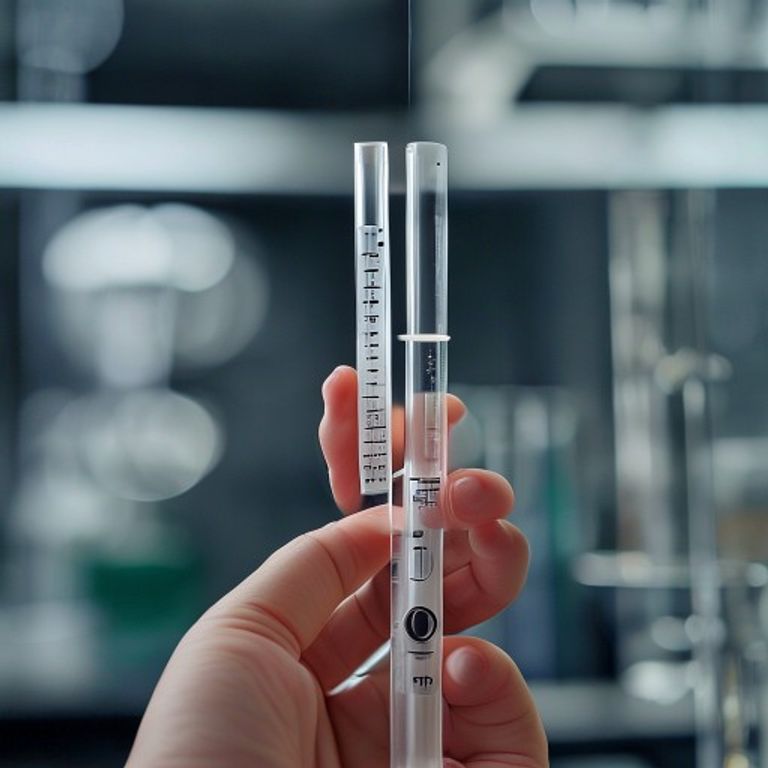
Mastering Precision: Your Essential Guide to Volumetric Pipette Use for Flawless Results

In the world of chemistry and laboratory work, precision is not just a goal; it’s a necessity. Every experiment, every analysis, hinges on accurate measurements. And when it comes to transferring exact volumes of liquids, one piece of glassware stands out as a true champion: the volumetric pipette. If you’ve ever felt a bit daunted by its seemingly simple design, wondering how to truly harness its power for perfect results, you’re in the right place. We’re going to dive deep into the world of Beyond the Basics: Unveiling the Essential Beaker Uses in Chemistry Labs and how to master volumetric pipette use, ensuring every drop you transfer is exactly where it needs to be, with unparalleled accuracy. Think of it as learning to drive a high-performance sports car – it looks easy, but mastering it requires technique and attention to detail.
What Makes Volumetric Pipettes So Special?
Unlike graduated pipettes or measuring cylinders, which offer varying degrees of accuracy, volumetric pipettes are designed for one specific, highly accurate volume. They have a single calibration mark (the etched line on the neck) indicating the exact volume they are meant to deliver. This makes them indispensable for tasks like preparing standard solutions, performing titrations, or any application where precise transfer of a fixed volume is critical. Their narrow neck minimizes the area for the meniscus, making The Unsung Hero: Exploring the Myriad Beaker Uses in Every Lab more easier and reading the meniscus on a volumetric pipette much more accurate compared to wider glassware.
Before You Begin: Preparation is Key
Just like a chef prepares their ingredients before cooking, we need to prepare our equipment for optimal performance. Proper technique for volumetric pipetting starts even before you touch the liquid:
Cleaning and Storing Volumetric Pipettes:
Always ensure your pipette is spotlessly clean. Any residue inside can affect the volume transferred. Rinse it thoroughly with distilled water, especially if it was used with a different solution previously. After cleaning, store it properly, preferably in a dust-free environment, to prevent contamination.
Conditioning the Pipette:
If you’re transferring a specific solution, it’s good practice to “condition” the pipette with a small amount of that solution. Aspirate a small volume, tilt the pipette to coat the inner surface, and then discard it. This prevents dilution or contamination from any residual water in the pipette.
Check for Damage:
A chipped tip can significantly impact accuracy. Always inspect your pipette for any cracks or chips before use. A damaged pipette should not be used for precision measurements.
The Heart of Precision: How to Use a Volumetric Pipette Accurately
This is where the real skill comes in. Follow these steps meticulously to achieve the best results:
Attach the Pipette Bulb/Pump:
Gently attach a rubber pipette bulb or a mechanical pipette pump to the top of the pipette. Never mouth pipette! This is a serious safety hazard.
Aspirating the Liquid:
Immerse the tip of the pipette into the solution you wish to transfer, ensuring it’s deep enough to draw liquid without sucking in air, but not touching the bottom of the container. Slowly draw the liquid up past the calibration mark. Be careful not to draw liquid into the bulb itself.
Adjusting the Meniscus:
Remove the bulb and quickly place your index finger over the top opening to control the flow. While holding the pipette vertically at eye level, slowly release the pressure with your index finger, allowing the liquid to drain until the bottom of the meniscus precisely aligns with the calibration mark. Make sure there are no air bubbles trapped in the tip.
Transferring the Liquid:
Move the pipette to your receiving vessel (e.g., a flask or beaker). Allow the liquid to flow out naturally, holding the pipette vertically. Do not try to force the last drop out by blowing into the pipette.
The “Touch-Off” Technique:
After the liquid has completely drained, touch the tip of the pipette against the inner side wall of the receiving vessel for about 10-15 seconds. This helps to release the last drop of liquid that might be adhering to the tip. Volumetric pipettes are calibrated “to deliver” (TD), meaning the small amount of liquid remaining in the tip after draining is accounted for in the calibration and should not be forced out.
Maintaining Accuracy: Volumetric Pipette Calibration and Care
Even the best tools need occasional maintenance. While routine users might not perform full Mastering the Mortar and Pestle: An Essential Guide to Laboratory Use and volumetric pipette calibration procedure themselves, it’s crucial to understand its importance. Over time, or with repeated use, pipettes can lose their accuracy. Regular calibration, performed by trained professionals, ensures the pipette continues to deliver its specified volume correctly. Between calibrations, consistently applying proper cleaning and storing volumetric pipettes techniques will prolong their accuracy and lifespan.
Conclusion
Using a volumetric pipette isn’t just about moving liquid from one place to another; it’s about executing a precise, controlled transfer that forms the foundation of reliable experimental results. By understanding what makes them unique, preparing them correctly, and diligently following the proper technique for volumetric pipetting, you’ll be able to confidently achieve the accuracy and precision your laboratory work demands. It might take a little practice, but once you master it, you’ll wonder how you ever managed without it!
FAQ
Q: Can I use a volumetric pipette for measuring different volumes?
A: No, volumetric pipettes are designed to deliver only one specific, fixed volume. For variable volumes, you should use a graduated pipette or a micropipette.
Q: Why shouldn’t I blow out the last drop from a volumetric pipette?
A: Volumetric pipettes are calibrated “to deliver” (TD), meaning the small amount of liquid designed to remain in the tip after natural drainage is already factored into its accuracy. Blowing it out would result in an over-delivery of the intended volume, compromising your precision.
Q: How often should a volumetric pipette be calibrated?
A: The frequency of volumetric pipette calibration procedure depends on usage, institutional guidelines, and the critical nature of the experiments. Generally, annual calibration is a good starting point, but high-frequency use or critical applications may require more frequent checks.
Q: What is the best way of cleaning and storing volumetric pipettes?
A: After use, rinse thoroughly with appropriate solvents (if necessary, depending on the sample), then with copious amounts of distilled or deionized water. Air dry or use a pipette dryer. Store them vertically in a rack or horizontally in a dust-free drawer to prevent contamination and damage to the tip.







