Your Lab’s Workhorse: A Deep Dive into the Essential Beaker Function

In the bustling world of scientific research, amidst a myriad of intricate instruments and sophisticated machines, there are always those reliable, everyday tools that quietly perform their duties, often without much fanfare. One such unsung hero in almost every laboratory setting is the humble beaker. We’ve all seen them, those cylindrical glass containers with a pouring spout, but have we truly stopped to ponder the full scope of the beaker function?
Today, we’re going to pull back the curtain and give this ubiquitous piece of laboratory glassware the attention it deserves. We’ll explore not just what is the primary function of a beaker, but also delve into its versatile applications, practical tips for its use, and why it remains an indispensable part of countless experimental procedures.
What Exactly Does a Beaker Do? The Primary Function Unveiled
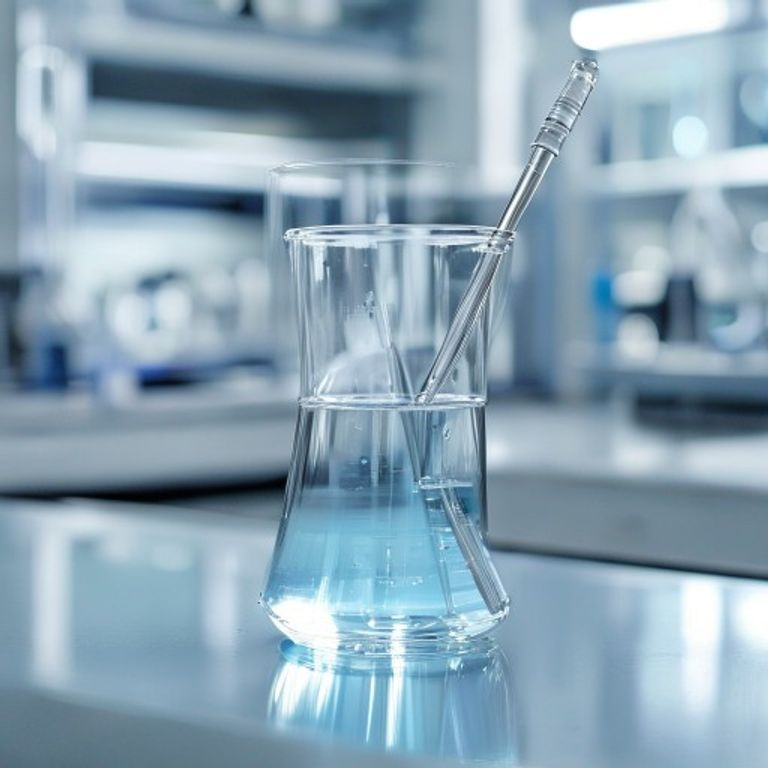
At its core, the primary function of a beaker is surprisingly straightforward: to hold, mix, and heat liquids and solutions. Think of it like a versatile utility mug in your kitchen – it’s great for almost anything that doesn’t require super precise measurements or a very narrow opening. Beakers are designed with a wide mouth, making them ideal for easily adding and removing substances, stirring with a glass rod, or accommodating various lab instruments like thermometers or pH probes.
While often marked with graduations, it’s crucial to understand that these markings are for estimation only. If we need to perform accurate measuring liquids, we’d reach for a graduated cylinder or a volumetric flask. Beakers excel when rough volume indications are sufficient, or when we simply need a container for a liquid during a process.
Beyond Holding: Common Uses of Beakers in Chemistry Labs
The versatility of beakers truly shines when we look at their everyday applications. From fundamental tasks to more complex chemical reactions, beakers are consistently at the forefront. Here are some of the common uses of beakers in chemistry labs:
- Mixing and Stirring Solutions: Their wide opening makes beakers perfect for combining different liquids and solids, allowing easy access for stirring rods or magnetic stirrers.
- Heating Liquids: Most beakers are made from borosilicate glass (like Pyrex or Kimax), which is highly resistant to thermal shock. This makes them suitable for heating solutions over a Bunsen burner, hot plate, or in a water bath. Always remember to use a wire gauze and a ring stand for even heating!
- Containing Chemical Reactions: For reactions that don’t produce excessive fumes or require a sealed environment, a beaker can serve as an open reaction vessel. Its ample volume helps prevent overflow from frothing or bubbling.
- Transferring and Pouring: The convenient pouring spout allows for relatively spill-free transfer of liquids from one container to another.
- Rough Volume Measurement: As mentioned, while not precise, the graduations on a beaker can give us a quick, approximate indication of liquid volume.
- Collecting Filtrate or Titrant: During filtration or titration experiments, beakers are often used to collect the filtered liquid or to hold the solution being added.
Why Are Beakers Used in Scientific Experiments?
You might wonder, with all the specialized lab equipment available, why are beakers used in scientific experiments so frequently? The answer lies in their balance of utility, durability, and cost-effectiveness. Their robust construction and heat resistance make them suitable for a wide range of tasks, reducing the need for multiple specialized pieces of glassware for basic operations.
Furthermore, the wide mouth is excellent for rapid evaporation if we’re trying to concentrate a solution, and it allows for easy cleaning, which is vital for preventing cross-contamination in the lab. For many of us in the lab, when we’re setting up a reaction or preparing a solution, a beaker is often the first piece of glassware we reach for due to its sheer practicality.
How to Properly Use a Beaker in Laboratory Settings
Even for such a seemingly simple tool, understanding how to properly use a beaker in laboratory settings can enhance safety and experimental accuracy (within its limitations). Here are some practical tips:
- Always Check for Damage: Before use, inspect your beaker for cracks or chips, especially around the rim or base. A damaged beaker can break unexpectedly, posing a safety hazard.
- Never Heat a Sealed Beaker: Beakers are not designed to be sealed. Heating a sealed container can lead to dangerous pressure buildup.
- Use Proper Support for Heating: When heating with a Bunsen burner, always place the beaker on a wire gauze supported by a ring stand and a mastering your laboratory tripod stand. This ensures even heat distribution and prevents direct flame contact with the glass.
- Clean Thoroughly: After each use, wash beakers with appropriate detergents and rinse thoroughly with distilled water to remove all residues. Proper cleaning is just as important for beakers as it is for the humble test tube to prevent contamination of future experiments.
- Handle with Care: Even though they are durable, beakers can break if dropped or subjected to strong impacts. Always carry them securely.
FAQs About Beaker Function
Q: Can I use a beaker for precise measurements?
A: No, beakers are not designed for precise measurements. Their graduations are approximate. For accuracy, always use a graduated cylinder, volumetric flask, or pipette.
Q: Are all beakers heat resistant?
A: Most laboratory beakers are made from borosilicate glass, which is highly heat resistant. However, always confirm the material before heating, especially with older or unmarked glassware.
Q: What is the pouring spout for?
A: The pouring spout (or “beak”) is designed to facilitate easy and controlled pouring of liquids, minimizing drips and spills.
Q: Can I use a beaker to store chemicals long-term?
A: While they can temporarily hold chemicals, beakers are generally not suitable for long-term storage, as they have a wide mouth that can allow evaporation or contamination. Use reagent bottles or other appropriate containers for storage.
Conclusion
So, the next time you step into a laboratory, take a moment to appreciate the enduring utility of the beaker. Its multifaceted beaker function, from simple holding to facilitating complex experimental procedures, makes it an indispensable tool for scientists and students alike. It may not always be the star of the show, but without its reliable presence, many a scientific endeavor would undoubtedly be far more challenging. It truly is one of your lab’s most essential workhorses!