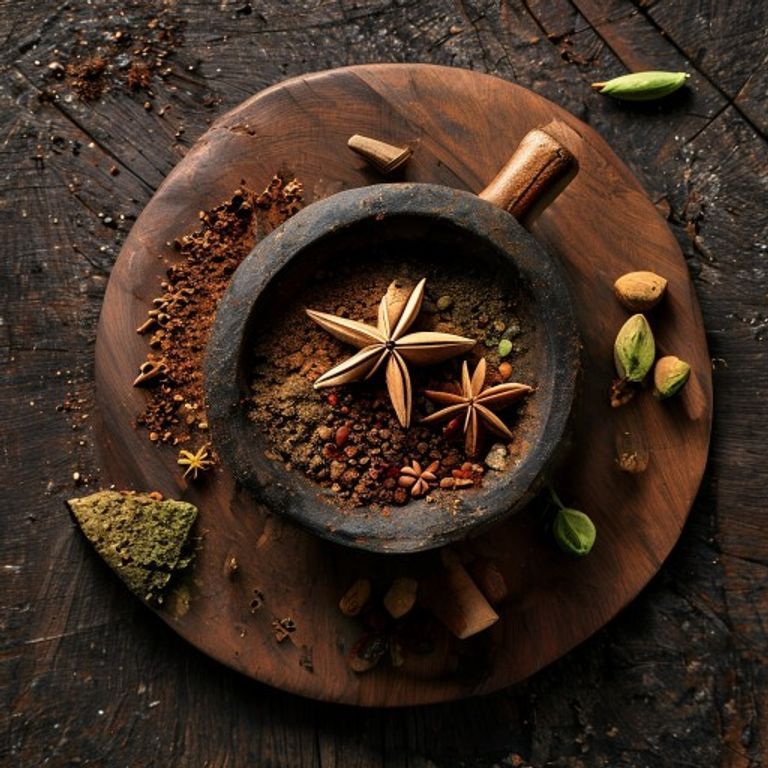
Beyond Grinding: Discover the Magic of Your Kitchen’s Mortar and Pestle

In a world of high-tech blenders and food processors, there’s a timeless kitchen tool that often gets overlooked: the humble mortar and pestle. But let me tell you, this isn’t just an antique piece of kitchenware. It’s a culinary powerhouse, an unsung hero that can elevate your cooking to an entirely new level. If you’ve ever wondered why that fresh pesto or homemade curry paste tastes so much better, chances are, a mortar and pestle played a vital role.
For us, the act of using a mortar and pestle is more than just grinding; it’s a sensory experience. It’s about unlocking the true essence of ingredients, releasing their volatile oils and creating textures that modern machines simply can’t replicate. Think of it like coaxing a shy flower to release its most intoxicating scent – a gentle but firm persuasion that yields spectacular results. Ready to dive into the wonderful world of crushing, grinding, and muddling your way to flavor perfection?
Why Every Kitchen Needs a Mortar and Pestle
You might be thinking, “Do I really need another gadget?” And my answer is a resounding yes! A mortar and pestle isn’t just a gadget; it’s a foundational culinary tool. Here’s why it deserves a spot in your kitchen:
- Unleashed Flavor: When we use a blade to chop, we often bruise or tear ingredients, which can dissipate flavor. With a mortar and pestle, you’re literally crushing and grinding, breaking down cell walls to release more potent and aromatic compounds. Imagine the difference between pre-ground spices and freshly toasted and ground ones – it’s night and day!
- Texture Control: Ever tried making guacamole in a blender? It turns into a sad, smooth puree. A mortar and pestle allows us to control the texture precisely, from a coarse grind to a smooth paste, giving your dishes a delightful mouthfeel.
- Versatility: From fresh herbs and hard spices to making pastes, sauces, and even salad dressings, its uses are incredibly diverse. It’s like having a mini flavor laboratory right on your countertop.
- A Connection to Culinary Roots: There’s a certain satisfaction, a connection to ancient cooking traditions, that comes from preparing ingredients by hand. It makes the cooking process more mindful and enjoyable.
Choosing Your Perfect Match: Types of Mortar and Pestle Materials
Just like choosing the right pan, selecting the ideal mortar and pestle depends on what you plan to crush. We have a few great options, each with its own strengths:
- Granite: This is often considered the gold standard. Heavy and non-porous (once seasoned), granite provides excellent leverage for serious grinding. Its rough surface makes quick work of hard spices like peppercorns, cumin, and star anise. If you’re looking for the best mortar and pestle for spices, granite is often our top recommendation.
- Ceramic/Porcelain: Lighter and smoother than granite, ceramic mortar and pestles are great for smaller tasks, like crushing pills, or for wet ingredients that require less force. They’re also easier to clean. However, they might not offer the same grip for very hard spices. When comparing a traditional molcajete vs ceramic mortar and pestle, ceramic wins for ease of cleaning and non-porosity, but lacks the rustic charm and unique flavor contribution of a well-seasoned molcajete.
- Wood: Often beautiful and lightweight, wooden mortar and pestles are best for soft herbs, delicate spices, or for muddling cocktail ingredients. The wood can absorb odors and flavors, so it’s usually best to dedicate a wooden set to specific uses.
- Molcajete (Volcanic Rock): Ah, the molcajete! This traditional Mexican culinary tool, made from volcanic rock, is incredibly porous and needs to be seasoned before use. Its rough texture is fantastic for making salsas, guacamole, and curry pastes, imparting a unique, earthy flavor that you simply can’t get from other materials. It’s a commitment, but a delicious one!
Mastering the Art: How to Use a Mortar and Pestle
Using a mortar and pestle isn’t just about smashing ingredients. There’s a subtle technique to it, a dance between pressure and rotation, that maximizes flavor extraction. Here’s a basic guide:
- For Hard Spices: Start with a small amount. Use the pestle to gently crush the spices against the bottom and sides of the mortar. Then, apply a circular, grinding motion, like stirring a thick soup, to further pulverize them. Don’t be afraid to apply a bit of force, but let the weight of the pestle do most of the work. For achieving the best texture when grinding, we always recommend small batches.
- For Fresh Herbs: If you’re wondering how to use a mortar and pestle for herbs, remember that gentleness is key. Add a pinch of coarse salt (this acts as an abrasive to help break down cell walls), then add your herbs. Use a gentle muddle and press motion, rotating the pestle against the sides to bruise and release their fragrant oils, rather than tearing them. We’re looking for a vibrant paste, not a watery mess.
- For Pastes (Pesto, Curry Paste): Begin with the hardest ingredients (e.g., garlic, chilies), then add spices, and finally softer ingredients like herbs and nuts. Add liquids (like oil or lime juice) gradually to achieve your desired consistency.
Beyond Spices: Unexpected Uses
While superb for grinding whole spices, the mortar and pestle’s utility extends far beyond. We love using it for:
- Making authentic pesto with pine nuts, basil, garlic, Parmesan, and olive oil. The texture is unmatched.
- Crafting the freshest guacamole, allowing for chunky avocado and perfectly bruised onion and cilantro.
- Preparing flavorful curry pastes from scratch – a game-changer for homemade curries.
- Muddling fresh mint for mojitos or berries for other cocktails.
- Creating homemade salad dressings or aioli, where emulsification benefits from the manual process.
Keeping It Pristine: Cleaning and Caring for Your Mortar and Pestle
Proper cleaning and caring for a mortar and pestle ensures its longevity and keeps it hygienic. The method varies by material:
- Granite & Molcajete: For these porous materials, avoid soap! Soap can be absorbed and taint future flavors. We simply rinse them with hot water and scrub with a stiff brush. For stubborn stains or odors, grind a small amount of uncooked rice, followed by salt, then garlic, and finally herbs, discarding between each grind until clean.
- Ceramic & Porcelain: These are generally non-porous and can be washed with warm, soapy water. Just ensure they are thoroughly rinsed and air-dried.
- Wood: Wash immediately after use with warm water and a minimal amount of mild soap, if necessary. Dry thoroughly to prevent cracking or warping, and never soak it. Periodically, we might condition it with food-grade mineral oil to keep the wood supple.
Always ensure your mortar and pestle is completely dry before storing to prevent mildew or mold growth.
Conclusion
The mortar and pestle is more than just a tool; it’s an invitation to a deeper, more flavorful culinary experience. By understanding its nuances and choosing the right one for your needs, you open up a world of fresh aromas, vibrant textures, and unparalleled taste in your home cooking. So, dust off that old kitchen treasure or invest in a new one – we promise, your taste buds will thank you!
FAQ
Q: Can I put my mortar and pestle in the dishwasher?
A: Generally, no. Especially for granite, molcajete, and wooden ones, dishwashers can cause damage, soap absorption, or waterlogging. Ceramic or porcelain ones might be dishwasher safe, but we still recommend handwashing to extend their life.
Q: How do I season a new molcajete?
A: Seasoning a molcajete is crucial. We start by grinding a handful of uncooked white rice until it turns into a fine grey powder, discarding and repeating until the rice stays white. Then, grind a mixture of garlic cloves, cumin seeds, and a little coarse salt, mashing it into the sides. Let it sit for a few hours, then rinse thoroughly with hot water (no soap!) and a stiff brush.
Q: What’s the best way to clean a granite mortar and pestle after grinding spices?
A: Simply rinse it thoroughly with hot water and scrub it with a stiff brush. For strong odors, you can grind a small amount of uncooked rice or salt to absorb them, then rinse again. Avoid using soap, as granite can absorb it and impart an unwanted flavor to your next dish.