The Humble Test Tube: Unlocking Its Power in Your Lab Experiments

If you’ve ever stepped into a science classroom or a professional laboratory, chances are you’ve seen a test tube. These simple, cylindrical pieces of laboratory apparatus might seem unassuming, but they are absolutely fundamental to countless chemical experiments and scientific glassware applications. Today, we’re going to dive deep into the world of the test tube, exploring everything from its basic definition to its diverse uses and even how it’s made. Prepare to gain a new appreciation for this little workhorse of the lab!
What Exactly is a Test Tube?
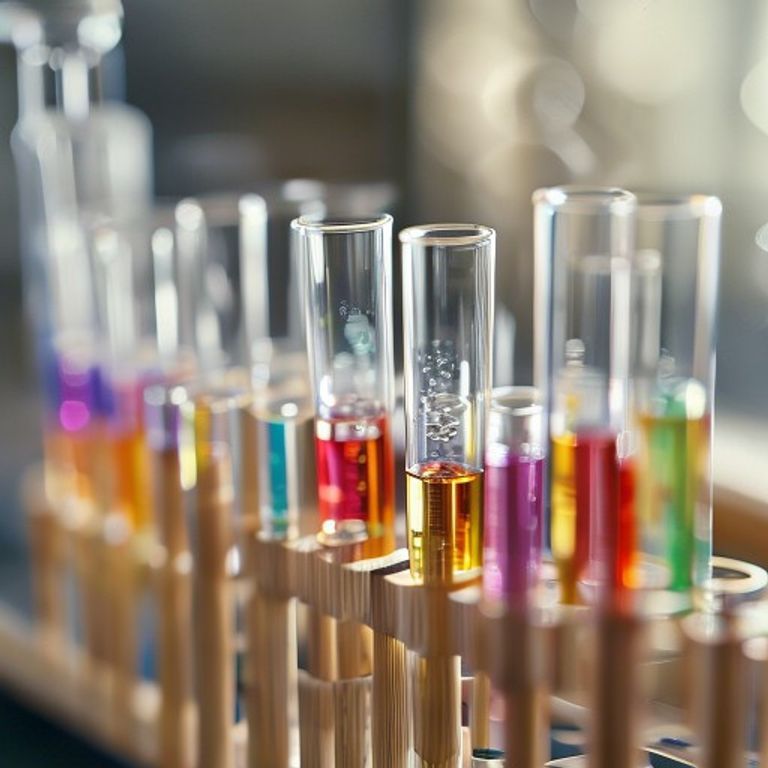
At its core, a test tube is a common piece of laboratory glassware, characterized by its finger-like length, open top, and a rounded or conical bottom. Think of it like a miniature, extra-sturdy drinking glass, but designed specifically for the rigors of scientific work. The most common test tube definition in science describes it as a small, cylindrical glass tube used for holding and mixing small amounts of liquid or solid chemicals, especially during experiments. They typically come in various sizes, with volumes ranging from a few milliliters to tens of milliliters.
Most test tubes you encounter are made from a special type of glass called borosilicate glass. Why borosilicate? Because it’s incredibly heat-resistant and durable, capable of withstanding direct flame heating and sudden temperature changes without cracking. This makes them perfect for various demanding applications in chemistry and biology.
The Many Uses of a Test Tube: Why We Can’t Live Without Them
So, what is a test tube used for? The list is surprisingly long and varied for such a simple instrument. We use them for:
Holding Small Samples: Test tubes are ideal for containing small quantities of liquids or solids. Imagine them as tiny individual containers for different ingredients in a complex scientific recipe. This is crucial for sample analysis.
Mixing and Heating Chemicals: Their small size and heat-resistant properties make them perfect for mixing and gently heating small volumes of reactants. This is where a test tube holder often comes in handy, allowing us to manipulate hot tubes safely.
Culturing Microorganisms: In biology, specific types of test tubes (culture tubes) are used to grow bacteria, yeast, and other microorganisms in liquid broths or solid agar slants.
Observation and Testing: When we need to observe reactions, color changes, or precipitation in a controlled environment, test tubes offer excellent visibility and a contained space.
Beyond the Basic: Exploring Different Types of Test Tubes
While the classic shape is well-known, there are several types of test tubes and their uses, each designed for specific tasks:
Standard Test Tubes: The most common type, usually with a rounded bottom, used for general chemical work.
Boiling Tubes: These are generally larger and made with thicker glass than standard test tubes, specifically designed to withstand vigorous boiling without breaking. Think of them as the heavy-duty version.
Culture Tubes: Often equipped with a screw cap or plug, these are primarily used in microbiology for growing and storing cultures of microorganisms, preventing contamination and evaporation.
Centrifuge Tubes: These usually have a conical bottom and are designed to fit into a centrifuge machine. Their sturdy construction and conical shape help separate components of a mixture by spinning them at high speeds.
Crafting Clarity: How Test Tubes Are Made
Have you ever wondered how are test tubes made? The process typically involves specialized machinery and the unique properties of borosilicate glass. First, glass tubing of the desired diameter is heated to its melting point. Then, automated machines or skilled glassblowers shape the softened glass into the familiar cylindrical form, often sealing and rounding one end. The tubes are then carefully annealed (slowly cooled) to remove internal stresses, making them more durable and resistant to thermal shock. This precise manufacturing ensures consistency and reliability, which are critical in any scientific glassware application.
Test Tube vs. Beaker: Spotting the Differences
It’s easy to confuse a test tube with a beaker, especially for newcomers to the lab. However, there’s a clear difference between test tube and beaker, mainly in their design and primary purpose. Imagine a test tube as a shot glass and a beaker as a measuring cup.
Shape: Test tubes are slender and cylindrical with a round or conical bottom. Beakers are wider, cylindrical with a flat bottom, and usually have a pouring spout.
Volume: Test tubes hold smaller volumes, typically up to 50 mL. Beakers hold much larger volumes, often hundreds or thousands of milliliters.
Heating: Test tubes are generally better suited for direct heating of small quantities, while beakers are usually for holding and mixing larger volumes, though they can be heated with caution.
Primary Use: Test tubes are for experiments, reactions, and sample analysis. Beakers are for preparing solutions, holding liquids, and general mixing.
Safe Handling and Best Practices
Working with test tubes requires a bit of care to ensure safety and accurate results. Here are some quick tips:
Always use a test tube holder when heating a test tube or handling hot chemicals. Trust me, it prevents burns and drops!
Never point a heated test tube towards yourself or others. The contents can sometimes eject unexpectedly.
Fill responsibly: Don’t overfill test tubes, especially if you’re mixing or heating, to avoid spills.
Clean thoroughly: After use, clean test tubes with appropriate detergents and brushes to prevent contamination of future experiments.
Conclusion
From simple mixing to complex biological cultures, the humble test tube is truly an indispensable tool in any laboratory. We’ve explored its definition, understood what is a test tube used for, looked at different types, and even touched upon how are test tubes made. So, the next time you see one, remember that this small piece of scientific glassware embodies centuries of scientific discovery and continues to be a cornerstone of innovation. Mastering its use is a foundational step for anyone working in the sciences.
Frequently Asked Questions About Test Tubes
Q: Can I heat any test tube directly with a flame?
A: While most laboratory test tubes are made of heat-resistant borosilicate glass, it’s always best to ensure you’re using a ‘boiling tube’ for vigorous heating. Standard test tubes can handle gentle heating, but thicker-walled boiling tubes are designed for more intense direct flame application. Always use a test tube holder and heat gently, moving the tube to distribute heat evenly.
Q: How do I clean test tubes properly?
A: Cleaning typically involves emptying the contents, rinsing with water, and then scrubbing the inside with a test tube brush and appropriate laboratory detergent. For stubborn residues, soaking in a cleaning solution (like diluted acid or a specialized glassware cleaner) may be necessary. Finally, rinse thoroughly with distilled water and allow to air dry upside down on a drying rack.
Q: What’s the smallest or largest test tube size I might encounter?
A: Test tubes come in a wide range of sizes. You might find very small microcentrifuge tubes holding less than 1 mL, often used in molecular biology. On the larger end, some boiling tubes or culture tubes can hold up to 100 mL, though the most common sizes for general chemistry are around 15-25 mL.
Q: Are plastic test tubes common, and when should I use them?
A: Yes, plastic test tubes (often made from polypropylene or polystyrene) are very common! They are excellent for situations where glass might be too fragile, when sterility is paramount (many are sterile and disposable), or when dealing with highly corrosive chemicals that could etch glass. However, they generally have lower heat resistance than borosilicate glass and may not be suitable for high-temperature reactions or certain organic solvents.