


Small Wells, Big Discoveries: Unveiling the Essential Spot Plate Function in Chemistry

In the vast world of chemistry, where complex reactions and intricate analyses take center stage, we often find ourselves reaching for sophisticated glassware and high-tech instruments. But sometimes, the most unassuming tools turn out to be the real unsung heroes of the lab. One such hero? The humble spot plate. You might have seen it – a small, typically white ceramic or plastic plate with multiple shallow depressions. It doesn’t look like much, does it? Yet, its spot plate function is absolutely critical, especially when we’re dealing with accurate pipette use for small-scale experiments.
Today, let’s peel back the layers and truly understand the main function of a spot plate in chemistry. We’ll explore why these little wells are so indispensable for qualitative analysis, indicator tests, and so much more. Get ready to discover how this simple piece of equipment makes our lab work safer, more efficient, and incredibly insightful!
What Exactly Is a Spot Plate?
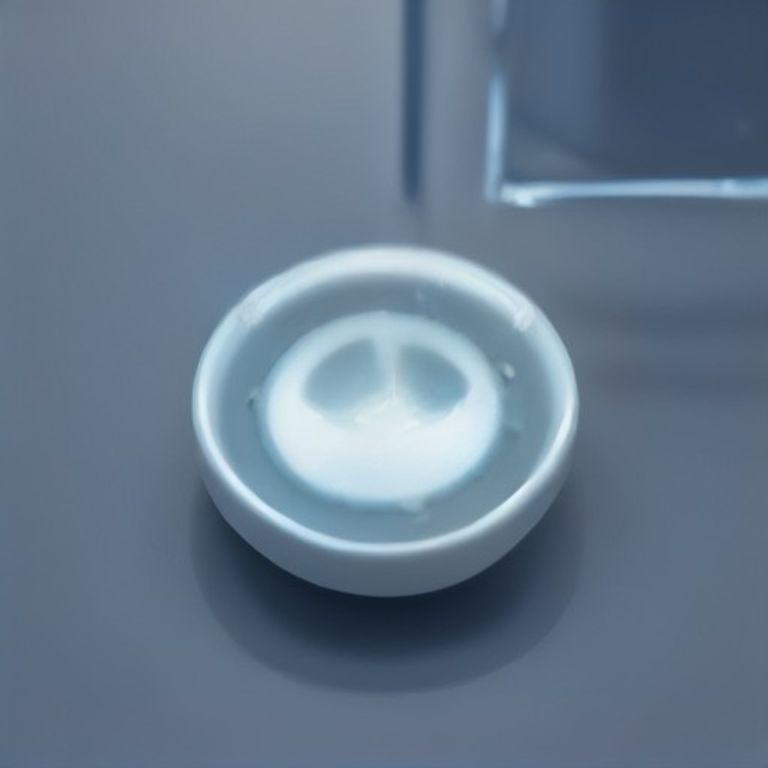
Imagine a miniature painter’s palette, but instead of holding different colors of paint, it holds tiny drops of chemicals. That’s essentially what a spot plate is! Most commonly made from ceramic or porcelain, they are usually white, which is a deliberate design choice that we’ll discuss shortly. You’ll find them with anywhere from 6 to 24 (or even more) shallow, concave depressions, often called wells.
The beauty of these depressions lies in their simplicity. They are designed to contain small volumes of liquid, keeping them separate yet accessible. This design is what makes them perfect for facilitating microchemistry experiments – allowing us to perform many different reactions or tests side-by-side without cross-contamination.
The Core Function: Microscale Reactions and Observations
At its heart, the primary spot plate function is to provide a clean, inert surface for conducting small-volume chemical reactions and making clear reaction observations. Think of it as a tiny, multi-compartment reaction vessel. Why is microscale so important?
- Reagent Conservation: We use significantly less of our precious (and sometimes expensive!) chemicals.
- Safety: Smaller quantities mean less risk if something goes wrong, reducing exposure to hazardous substances.
- Speed: Reactions often proceed faster in smaller volumes, and cleaning up is a breeze.
- Cost-Effectiveness: Less chemical waste and lower material costs.
When we want to observe subtle changes – like precipitation, gas evolution, or especially color changes – the white background of a ceramic spot plate is a game-changer. It provides excellent contrast, making even faint reactions unmistakably clear. It’s like having a perfectly lit stage for our tiny chemical dramas!
Spot Plate in Action: Qualitative Analysis
One of the most prominent roles for a spot plate is in qualitative analysis. This is where we identify what substances are present in a sample, rather than how much (that would be quantitative analysis). For example, if we’re trying to identify an unknown ion in a solution, we might add a specific reagent to several different wells, each containing a small portion of our unknown sample.
If a characteristic color change or a precipitate forms in one of the wells, it gives us a strong indication of what that unknown substance might be. The multiple depressions allow us to perform several tests simultaneously, comparing the results side-by-side, which is incredibly efficient and helps us confirm our findings quickly. This is precisely how to use a spot plate for qualitative analysis effectively.
The Power of Color: Indicator Tests
Another crucial role of spot plates in chemical indicator tests. When we’re working with pH indicators or other chemical indicators that change color based on specific conditions, the spot plate is our best friend. Imagine trying to observe a subtle pink turning to orange in a large beaker – challenging, right?
On a spot plate, with its white, unreactive surface, even the slightest color shift becomes obvious. We can add a drop of our solution to one well, add an indicator, and then compare it to a reference well or test other samples with different indicators. It’s fantastic for comparing acid-base reactions, redox reactions, or confirming the presence of certain ions via specific color-forming reagents.
Benefits of Ceramic Spot Plates for Microscale Reactions
While plastic spot plates exist, ceramic ones are often preferred, especially for their inertness and durability. They withstand a wider range of chemicals and temperatures, and importantly, their perfectly white, non-porous surface provides the best possible backdrop for observing those crucial color changes. They are also easy to clean and reuse, making them an economical choice for countless experiments.
Tips for Using Your Spot Plate Effectively
To get the most out of your spot plate, here are a few practical tips:
- Cleanliness is Key: Always ensure your spot plate is meticulously clean before use. Any residue can interfere with your reactions and observations.
- Small Volumes: Remember, less is more! Use droppers or pipettes to add tiny, precise volumes. This conserves reagents and prevents overflowing. Sometimes, we measure liquids in larger vessels, but for these micro-reactions, precision is key, so don’t confuse this with accurate lab volume measurement in other contexts.
- Good Lighting: Work under good, consistent lighting to ensure you can clearly see any subtle color changes or precipitates.
- Labeling: If you’re performing many tests, consider drawing a small diagram on a piece of paper to remember which well contains what.
Conclusion
So, there you have it! The unassuming spot plate, with its simple design of multiple depressions, performs a truly vital spot plate function in our chemistry labs. From facilitating efficient small volume reactions and accurate qualitative analysis to making indicator tests crystal clear, it’s a tool that every chemist, from student to seasoned researcher, relies on. It proves that often, the simplest tools yield the biggest insights. Next time you see one, give a nod to this little workhorse – it’s quietly making big discoveries possible!
Frequently Asked Questions (FAQ)
Q: What is the main purpose of a spot plate?
A: The main purpose is to perform small-scale chemical reactions, particularly for qualitative analysis and indicator tests, allowing for clear observation of results like color changes or precipitate formation.
Q: Why are spot plates usually white?
A: Spot plates are typically white to provide a stark contrast, making it much easier to observe subtle color changes, precipitates, or other reaction phenomena against a clear background.
Q: Can I reuse a spot plate?
A: Yes, ceramic spot plates are designed to be thoroughly cleaned and reused multiple times, making them a sustainable and cost-effective lab tool.
Q: What is the purpose of spot plate depressions?
A: The depressions (wells) serve as individual mini-reaction vessels. They hold small volumes of liquid separately, preventing cross-contamination and allowing multiple different reactions or comparisons to be performed simultaneously side-by-side.







