

What is a Measuring Cylinder? Your Essential Guide to Definition, Uses, and Mastering Lab Volume Measurement

Ever been in a lab and seen those tall, cylindrical glass or plastic tubes with markings? Yes, we’re talking about measuring cylinders! They’re a staple in almost every chemistry or biology lab, but do we really know what they are and how to use them correctly? Today, we’re going to dive deep into the measuring cylinder definition, explore its various uses, and learn how to get the most accurate readings from this indispensable piece of equipment. Consider this your go-to resource for understanding one of the most fundamental tools in science!
Understanding the Measuring Cylinder Definition
What Exactly is a Measuring Cylinder?
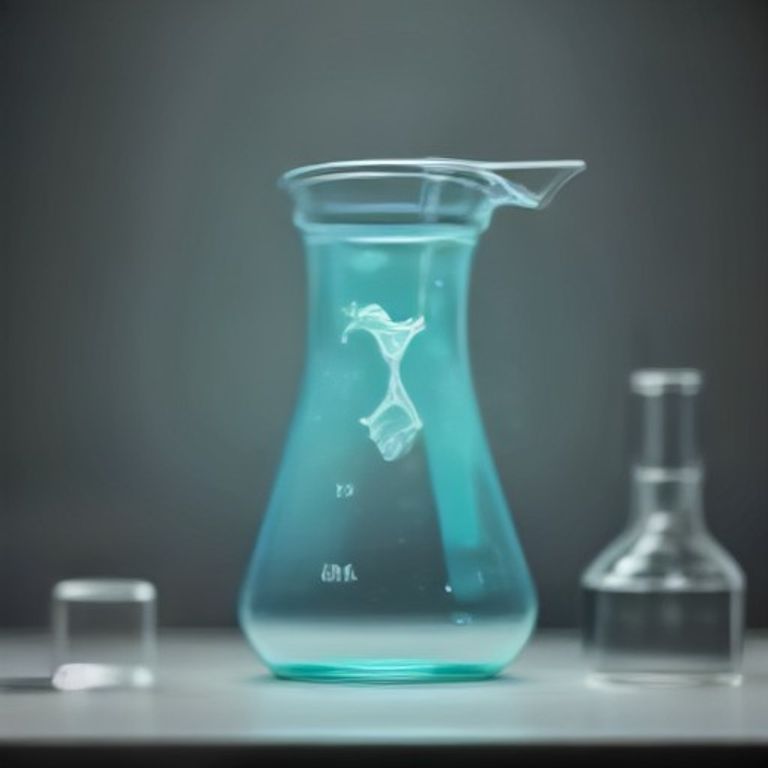
In simple terms, a measuring cylinder, often interchangeably called a graduated cylinder, is a piece of laboratory equipment specifically designed for measuring the volume of liquids. Imagine it like a precise liquid ruler, ready to help you quantify fluids in your experiments. We use it to get a good, reliable measure of how much liquid we have, without needing ultra-fine exactness.
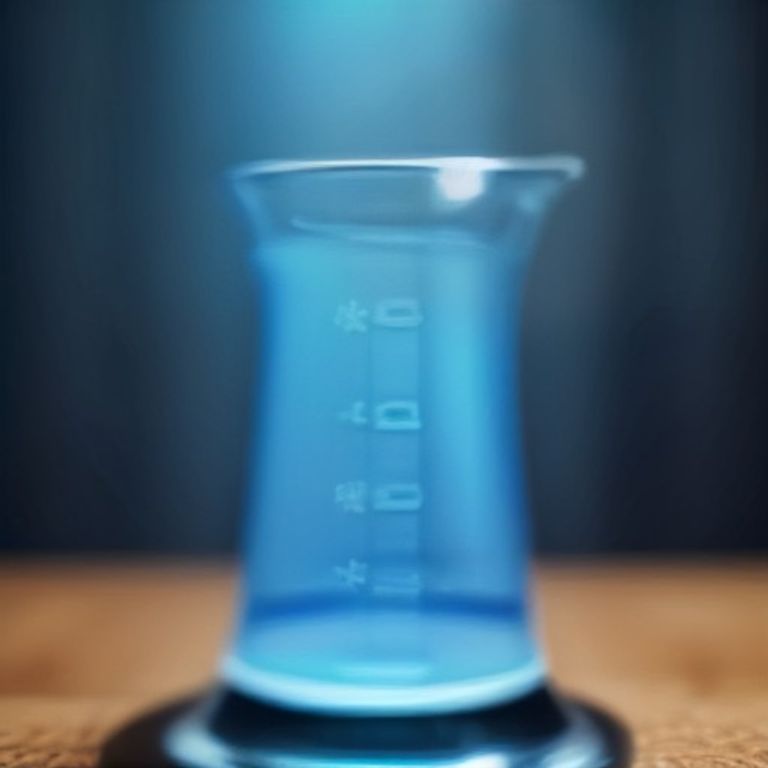
Typically, it’s a tall, narrow, cylindrical container. You’ll often find them made from clear materials like borosilicate glass (for durability and chemical resistance) or high-quality plastic, such as polypropylene (which is less fragile and more cost-effective). A stable, flat base keeps it from tipping over, and a small spout at the top makes pouring liquids a breeze, minimizing spills and splashes.
Along its side, you’ll notice a series of engraved or printed markings. These are called graduations, and they indicate specific volumes, usually in milliliters (mL). For instance, a 100 mL measuring cylinder might have major markings every 10 mL and smaller ones every 1 mL. These markings are what allow us to perform direct volume measurement. While incredibly useful, it’s important to remember that measuring cylinders generally offer good accuracy, but they are not as precise as other volumetric glassware like pipettes or volumetric flasks, especially for highly sensitive applications. Knowing this distinction is key to choosing the right tool for your task.
Beyond the Basics: What is a Measuring Cylinder Used For?
The Primary Purpose of a Measuring Cylinder
The main purpose of a measuring cylinder is to measure the volume of a liquid when a high degree of precision isn’t absolutely critical, but good, consistent accuracy is still required. Think of it this way: if you’re baking a cake, you need to measure ingredients like flour and water with reasonable accuracy – a measuring cup (or cylinder, in this analogy) is perfect. But if you’re formulating a complex medicine where every drop counts, you’d reach for a more specialized, ultra-precise tool like a pipette.
This distinction highlights why understanding what is a measuring cylinder used for is so important. It serves as a workhorse in general laboratory settings, offering a practical balance between accuracy and ease of use.
Common Applications in the Lab
Preparing Solutions: When we need to add a certain amount of solvent or a non-critical reagent to a mixture, a measuring cylinder is often our first choice. For instance, diluting a stock solution to an approximate concentration.
Measuring Displaced Volume: It’s fantastic for finding the volume of an irregularly shaped solid. We simply fill the cylinder with water, note the initial volume, submerge the object, and then measure the new volume. The difference tells us the object’s volume!
General Experimental Work: Any time we need to quickly and reliably quantify a liquid volume for an experiment where the exact, to-the-decimal-point volume isn’t the primary concern, a measuring cylinder steps up.
Educational Demonstrations: These cylinders are frequently used in schools and universities to teach basic graduated cylinder definition chemistry and fundamental measurement principles to students who are just starting their journey in science. It’s a great stepping stone before moving onto more complex volumetric tools, making it a friendly guide to Chemistry for beginners.
Mastering the Readout: How to Read a Measuring Cylinder Accurately
The Meniscus: Your Key to Precision
When you pour a liquid into a measuring cylinder, you’ll likely notice something interesting about the liquid’s surface – it’s not perfectly flat. For water-based solutions, the liquid tends to “climb” slightly up the sides of the cylinder, forming a curve that dips in the middle. This curve is called the meniscus. Getting this right is absolutely crucial for how to read a measuring cylinder accurately.
So, how do we read it correctly? To obtain the most accurate reading, we always measure the volume from the very bottom of this curved meniscus. Imagine drawing a horizontal line tangent to the lowest point of the curve – that’s your reading!
Another critical step is ensuring your eye is exactly at the same level as the meniscus. This is vital to avoid what we call “parallax error.” If you read the volume from above the meniscus, you’ll get a falsely high reading (the liquid will appear higher than it is). Conversely, if you read from below, you’ll get a falsely low reading (it will look lower than it actually is). A simple trick is to place the measuring cylinder on a flat lab bench and then stoop down so your eyes are perfectly level with the liquid’s surface. A white card held behind the cylinder can also help make the meniscus clearer against the markings.
Measuring Cylinder vs. Other Volumetric Glassware
Where Does It Fit in the Lab Tool Kit?
While a measuring cylinder is excellent for general volume measurement, it’s essential to understand its specific place among other types of volumetric glassware. Each tool has its strengths and weaknesses, and choosing the right one can make all the difference in your experimental results.
Pipettes: These are designed for extremely precise volume transfers, typically delivering a very exact volume like 10.00 mL or 1.00 mL. They are often used for transferring small, specific amounts of liquid for analytical work.
Volumetric Flasks: These are used for preparing solutions of a very specific, highly accurate volume, such as making a 250.0 mL solution. They have a single graduation mark indicating their precise capacity. Think of them as the go-to for making stock solutions with exact concentrations.
The take-home message here is that a measuring cylinder offers a great balance of accuracy and convenience for many routine lab tasks. It’s robust, easy to use, and provides readings that are “good enough” for a wide range of experiments. However, it’s not the tool we grab when ultra-high precision (like several decimal places) is required. Knowing when to use which tool is a hallmark of good scientific practice.
FAQ: All Your Measuring Cylinder Questions Answered
Q: Can I heat liquids directly in a measuring cylinder?
A: Generally, no, we don’t recommend it. Most measuring cylinders, especially glass ones, are not designed to withstand direct heating and can crack or shatter. Plastic ones might melt or deform. Use a beaker or flask for heating.
Q: Are plastic or glass measuring cylinders better?
A: It depends on your needs. Glass cylinders (borosilicate) offer better chemical resistance and often slightly better accuracy, but they are fragile. Plastic cylinders are less prone to breakage and cheaper, but can be less accurate and may react with certain strong chemicals over time.
Q: What does ‘graduated’ mean in graduated cylinder?
A: ‘Graduated’ simply refers to the markings or scale (the ‘graduations’) along the side of the cylinder. These markings indicate specific units of volume, usually in milliliters, allowing us to measure different quantities of liquid.
Q: How do I clean a measuring cylinder?
A: Like other laboratory glassware, they should be thoroughly rinsed with distilled water, often with the help of a brush and detergent, and then dried. Always check specific cleaning protocols for the substances it contained.
Conclusion
So, there you have it! The measuring cylinder definition boils down to a fundamental piece of laboratory equipment used for approximate, yet dependably accurate, volume measurement of liquids. Understanding what is a measuring cylinder used for, how to correctly read the meniscus, and its role compared to other volumetric tools is vital for good lab practice. It’s not just a tall, marked tube; it’s a foundational instrument that empowers us to conduct countless experiments and explore the world of science with confidence and precision.
By mastering the basics of the measuring cylinder, you’re taking an important step towards becoming a more competent and confident scientist, ready to tackle a wide array of scientific investigations.