

Unveiling the Precision: What is a Graduated Cylinder Used For in the Lab?

Ever found yourself in a science lab, staring at all sorts of peculiar glassware, wondering what each one does? From beakers to flasks, there’s a tool for almost every task. But today, we’re going to shine a spotlight on one of the unsung heroes of accurate measurement: the graduated cylinder. This seemingly simple piece of equipment plays a crucial role in countless experiments and procedures. So, let’s dive deep and explore the versatile uses of test tubes in conjunction with the indispensable graduated cylinder and understand why it’s a must-have in any scientific setting.
What Exactly is a Graduated Cylinder?
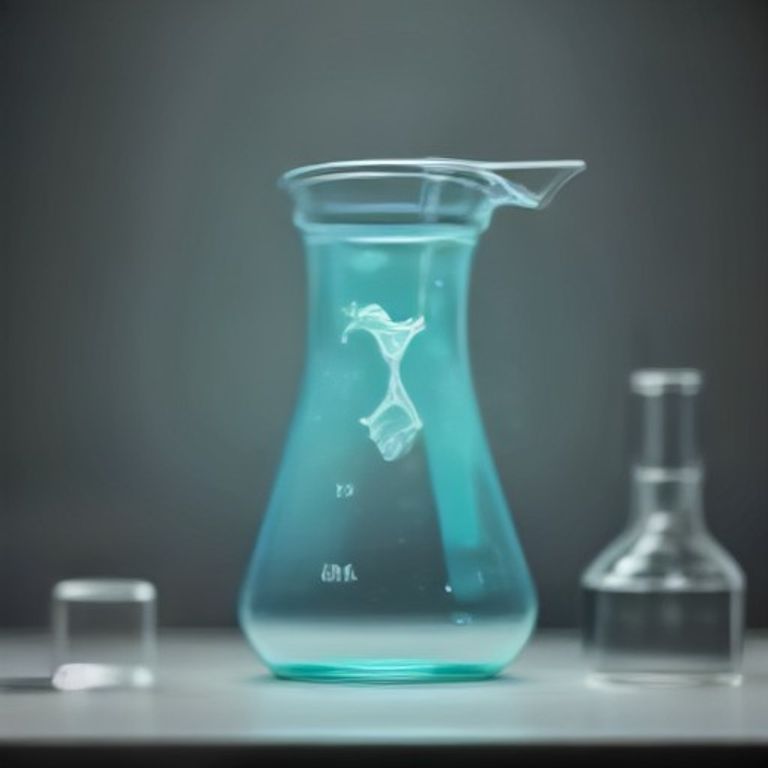
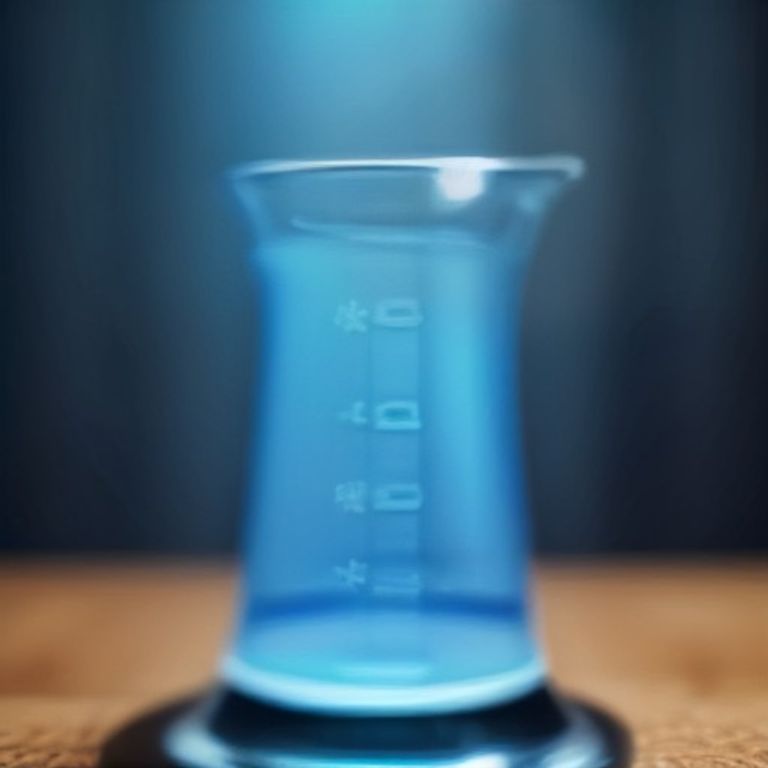
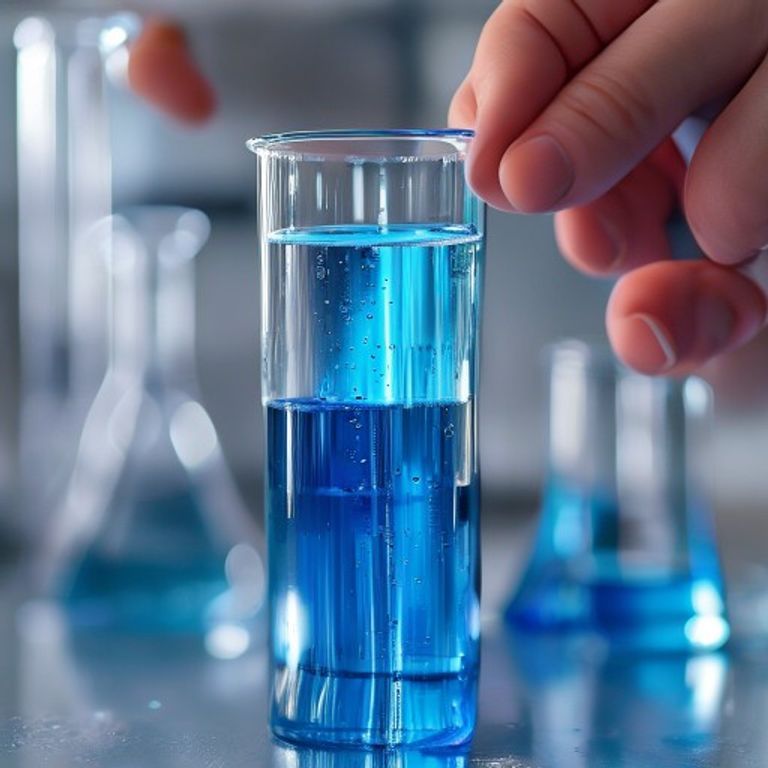
Imagine a tall, slender glass or plastic tube with markings (graduations) along its side. That, my friends, is a graduated cylinder. Unlike a beaker, which looks more like a robust drinking glass, or an Erlenmeyer flask with its conical shape, the graduated cylinder is designed for a very specific purpose. Its narrow diameter and precise markings allow us to measure liquid volume with a much higher degree of accuracy than other general-purpose lab glassware. Think of it like the difference between using a regular kitchen measuring cup and a precise jeweler’s scale – both measure, but one is far more exact.
The Core Mission: Accurate Volume Measurement
When someone asks, “what is a graduated cylinder used for in a lab?” the immediate answer is almost always “measuring liquid volume accurately.” This is its primary and most important function. In chemistry, biology, and even some physics applications, getting the right amount of a liquid is absolutely critical for the success and reproducibility of an experiment. A tiny error in volume can throw off an entire reaction or invalidate experimental results. That’s why we reach for the graduated cylinder when precision matters.
Graduated Cylinder vs. Beaker: Why Accuracy Matters
Now, you might wonder, “Can’t I just use a beaker?” While beakers and Erlenmeyer flasks do have volume markings, these are usually approximate. They are fantastic for mixing, heating, or holding liquids, but they’re not built for precise measurement. Think of a beaker as a measuring cup for rough estimates – great for adding a “splash” of water, but not for exactly 57.3 mL. A graduated cylinder, on the other hand, is specifically calibrated for accuracy, usually to one or two decimal places, depending on its size. This distinction is vital, especially in experiments where the concentration of solutions or the stoichiometry of reactions is crucial.
For example, if you’re preparing a solution that requires an exact concentration, using a beaker would introduce significant error. But by carefully measuring with a graduated cylinder, we can ensure the correct amount of solvent or solute is added, leading to reliable experimental outcomes. It’s like building a house – you wouldn’t just eyeball the length of a wooden beam, would you? You’d use a tape measure for accuracy, and the graduated cylinder is our lab’s tape measure for liquids.
How to Measure Liquid Volume with a Graduated Cylinder: Reading the Meniscus
Using a graduated cylinder isn’t rocket science, but there’s a trick to getting it right: the meniscus. When a liquid is in a narrow tube, surface tension causes its surface to curve. For most aqueous solutions (like water), this curve is concave, meaning it dips down in the middle. We call this curve the meniscus. To get an accurate reading, you always read the volume at the bottom of this curve. Here’s how:
- Place the graduated cylinder on a flat, level surface.
- Bring your eye level with the bottom of the meniscus.
- Read the marking closest to the bottom of the curve.
- Always make sure to note down all certain digits and one estimated digit. For instance, if the markings are every 1 mL and the meniscus is between 25 and 26 mL, you might estimate it as 25.5 mL.
Ignoring the meniscus can lead to slight errors, which, while small, can accumulate and affect your results, especially when performing a series of measurements or working with precious reagents.
The Purpose of a Graduated Cylinder in Chemistry and Beyond
Beyond basic volume measurement, what is the purpose of a graduated cylinder in chemistry specifically? It’s often used for:
- Preparing Solutions: Precisely measuring solvents or solutes before mixing.
- Dilutions: Accurately adding a specific volume of a concentrated solution to a larger volume of solvent.
- Quantitative Analysis: Many analytical procedures rely on exact volumes for calculations.
- Transferring Known Volumes: Moving a precise amount of liquid from one container to another.
While a graduated cylinder is excellent for measuring volumes, it’s not ideal for all tasks. For instance, if you need to separate immiscible liquids, a separating funnel would be your go-to equipment, as it’s specifically designed for that purpose, demonstrating how each piece of laboratory equipment has its specialized role.
Why Use a Graduated Cylinder Instead of an Erlenmeyer Flask?
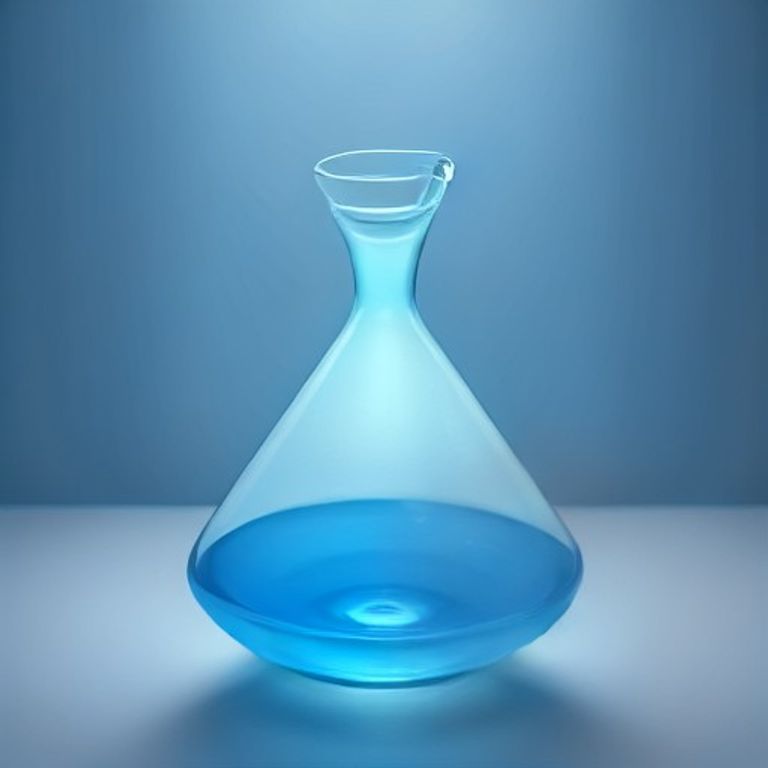
We’ve touched on this, but it’s worth reiterating: it’s all about precision. Erlenmeyer flasks, with their wide bases and narrow necks, are fantastic for mixing, swirling, and heating liquids without excessive splashing or evaporation. They are often used for titrations because the narrow neck helps prevent loss of reagents. However, their volume markings are broad and serve only as a general guide. If your experiment demands an exact 25 mL of a reagent, an Erlenmeyer flask simply won’t cut it. The graduated cylinder is engineered for that exactness, making it indispensable for quantitative work.
Conclusion
From introductory chemistry classes to advanced research laboratories, the graduated cylinder stands as a testament to the importance of precision in science. It might not be as flashy as a centrifuge or as complex as a spectrometer, but its role in accurate volume measurement is foundational. By understanding how to properly use it, especially by reading the meniscus correctly, we empower ourselves to conduct more reliable experiments and gather more trustworthy data. So next time you’re in the lab, give a nod to this humble yet powerful tool – it’s quietly ensuring your scientific endeavors are on the right track!
FAQ (Frequently Asked Questions)
Q: Can I heat liquids in a graduated cylinder?
A: It’s generally not recommended. Graduated cylinders are typically made of borosilicate glass (Pyrex or Kimax) or plastic. While borosilicate glass is heat-resistant, the narrow design and calibration for volume measurement can make them more prone to cracking under uneven heating compared to beakers or flasks. Plastic graduated cylinders are definitely not for heating.
Q: Are all graduated cylinders equally accurate?
A: Not exactly. They come in different accuracy classes (Class A and Class B). Class A cylinders are more accurate and usually used for precise analytical work. Class B cylinders are less accurate but suitable for general laboratory work where extreme precision isn’t required. Always check the cylinder’s markings if accuracy is critical.
Q: How do I clean a graduated cylinder?
A: Standard laboratory cleaning procedures usually apply. Rinse immediately after use to prevent residue buildup. Use a brush and a mild detergent, then rinse thoroughly with distilled water. Ensure it’s completely dry before storing or reusing.
Q: Why do I see different sizes of graduated cylinders?
A: Graduated cylinders come in a range of sizes, typically from 5 mL up to 2000 mL (2 Liters). We choose the size that best suits the volume we need to measure. Using a 100 mL cylinder to measure 5 mL would lead to less accuracy than using a 10 mL cylinder, as the smaller cylinder has finer divisions relative to the total volume.