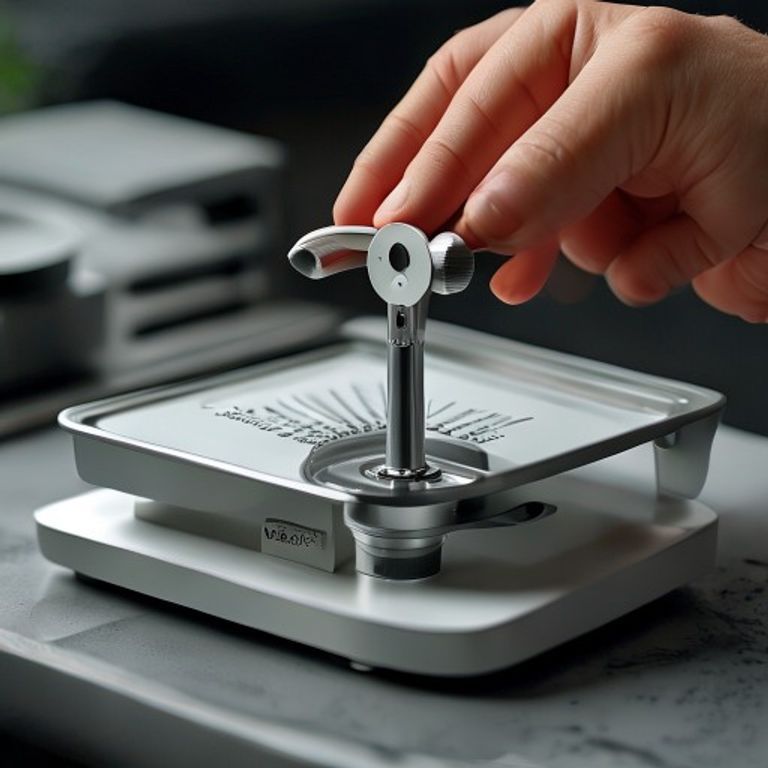
Entretien de l'équilibre analytique : Guide pratique d'étalonnage, de nettoyage et de dépannage

Présentation
Garder un équilibre analytique en forme supérieure est un peu comme prendre soin d'une montre de haute précision – une petite erreur peut jeter tout le système. Dans notre laboratoire, nous comptons sur ces balances pour la précision des microgrammes, donc l'entretien régulier n'est pas optionnel, il est essentiel. Dans cet article, je vais vous guider dans les routines les plus efficaces: de l'étalonnage de l'équilibre, la mise en place d'un programme de nettoyage, à la correction d'erreurs courantes. Pensez-y comme une liste de contrôle qui maintient votre solde ticting fiable, jour après jour.
Pourquoi l'entretien compte
Même les meilleurs équilibres analytiques peuvent dériver lorsqu'ils sont exposés aux fluctuations de température, à l'électricité statique ou à la poussière. Un équilibre qui n'est pas calibré ou nettoyé régulièrement vous donnera des données biaisées, ce qui peut coûter du temps, de l'argent et de la crédibilité. En suivant un plan d'entretien préventif, vous assurez :
- Précision de pesage constante
- Durée de vie des équipements plus longue
- Réduction des temps d'arrêt des échecs inattendus
1. Comment étalonner un équilibre analytique
L'étalonnage est l'épine dorsale de mesures fiables. Voici une routine étape par étape que nous utilisons avant toute séance de pesage critique:
- Réchauffer le solde : Laisser se stabiliser au moins 30 minutes après l'avoir allumé. Cela permet au contrôle de température interne de se régler.
- Vérifiez le brouillon: Assurez-vous que les portes du bouclier se ferment complètement; tout courant d'air affectera la lecture.
- Zéro le solde : Appuyez sur le bouton tare avec une casserole vide pour confirmer le point zéro.
- Utiliser des poids d'étalonnage certifiés: Placer un poids de 1 mg ou 10 mg (selon l'équilibre) sur la poêle. Suivre la procédure d'étalonnage interne ou externe du fabricant.
- Enregistrer le résultat: Enregistrez le facteur d'étalonnage et la date dans un journal de maintenance.
Si vous avez besoin d'un rafraîchissement rapide sur la manipulation d'outils de laboratoire délicats, la Le guide ultime des pipettes volumétriques offre des conseils utiles sur la précision qui complètent l'étalonnage de la balance.
2. Calendrier de nettoyage systématique des bilans analytiques
La poussière et les résidus sont les ennemis silencieux de la précision de l'équilibre. Une simple routine de nettoyage peut être faite chaque semaine, avec un mois plus net.
Nettoyage rapide hebdomadaire
- Éteignez le solde et débranchez-le.
- Essuyez la chambre de pesée avec un chiffon microfibre légèrement humide sans peluche.
- Utilisez un pinceau antistatique pour balayer les particules fines du bouclier et de la zone environnante.
- Vérifiez les pieds de nivellement et ajustez si nécessaire.
Nettoyant profond mensuel
- Enlevez la casserole et nettoyez-la avec de l'alcool isopropylique (70 %).
- Inspectez le capteur interne et le dôme de verre pour les rayures ou les dépôts.
- Exécutez une routine statique d'enlèvement d'électricité – un ioniseur à la terre fonctionne bien.
- Réétalonnage après nettoyage pour vérifier qu'il n'y a pas eu de dérive.
3. Dépannage des erreurs courantes de balance analytique
Même avec une routine solide, vous verrez parfois des messages d'erreur. Voici les plus fréquentes et les corrections rapides:
- Erreur de « surcharge » : Enlevez l'échantillon; le bilan peut gérer la masse.
- Avertissement de "drift" : Vérifier les pics ou les courants de température. Fermez les portes, laissez l'équilibre se rééquilibrer, puis recalibrez.
- "erreur zéro": Nettoyez la poêle et re-zéro. S'il persiste, le capteur interne peut avoir besoin de service.
- "Charge statique" Utilisez un pistolet antistatique ou un ioniseur pour neutraliser la charge avant de peser à nouveau.
For a broader perspective on handling static and precision tools, the article on comment utiliser un remplissage de pipette explains how static can affect liquid handling, which is a similar concern for balances.
4. Meilleures pratiques pour la Chambre de pesée
The weighing chamber is the heart of the balance. Treat it like a cleanroom:
- Never place objects directly on the draft shield – use the pan only.
- Avoid using gloves that shed fibers; wear powder‑free nitrile gloves.
- Maintain a stable ambient temperature (±0.5 °C) and humidity (40‑60 %).
- Keep the chamber free of chemicals that could evaporate and condense on the sensor.
5. Liste de contrôle pour la maintenance préventive
Having a printable checklist helps the whole team stay on track. Below is a concise version you can adapt:
| Tâche | Fréquence | Responsible |
|---|---|---|
| Warm‑up and zero check | Daily | Lab technician |
| External calibration with certified weights | Semaine | Lab technician |
| Draft shield cleaning | Semaine | Lab technician |
| Full chamber cleaning | Mensuel | Senior staff |
| Static electricity neutralization | As needed | All users |
| Service inspection by vendor | Chaque année | Lab manager |
Conclusion
Maintaining an analytical balance doesn’t have to be a headache. By integrating a simple calibration routine, a regular cleaning schedule, and a quick‑reference troubleshooting guide, you’ll keep your balance delivering micro‑gram accuracy for years. Remember, the effort you put into preventive maintenance saves far more time—and money—than reacting to a failed measurement.
FAQ
À quelle fréquence dois-je calibrer ma balance analytique ?
At minimum weekly for routine work, and before any critical measurement. If you notice drift, calibrate immediately.
Puis-je utiliser du poids pour l'étalonnage?
No. Use certified calibration weights that match the balance’s range and are traceable to national standards.
Quelle plage de température est idéale pour un équilibre analytique?
Most balances perform best between 20 °C and 25 °C with less than ±0.5 °C fluctuation.
Est-il sûr d'utiliser de l'alcool pour nettoyer la casserole?
Yes, a 70 % isopropyl solution on a lint‑free cloth is recommended. Avoid soaking the pan.
Quand dois-je appeler un technicien de service?
If error messages persist after basic troubleshooting, or if the balance fails internal calibration repeatedly, schedule a professional service.