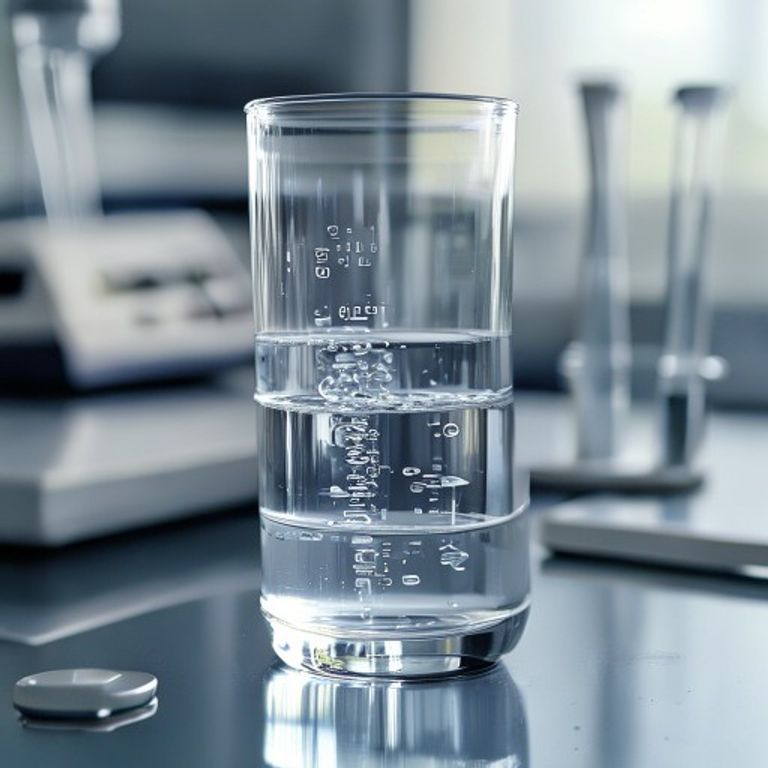
Maîtriser la fonction de cylindre gradué : mesures précises du volume, nettoyage et étalonnage

Présentation
Quand je suis entré dans un laboratoire de chimie, le cylindre gradué ressemblait à un simple morceau de verre. Pourtant, au fil des ans, j'ai appris que cet outil humble est une puissance pour la mesure précise des liquides. Dans cet article, nous plongerons dans la façon dont un cylindre gradué fonctionne, pourquoi il surpasse un bécher pour la précision, comment lire le ménisque comme un pro, et les meilleures pratiques pour le nettoyage et l'étalonnage. À la fin, vous vous sentirez confiant en utilisant cet équipement essentiel dans toute expérience.
Comment un cylindre diplômé mesure le volume
Le principe derrière un cylindre gradué est simple: il s'agit d'un grand tube étroit avec des marques de volume gravées le long de sa longueur. Lorsque vous versez un liquide, le liquide monte et la hauteur correspond à un volume spécifique basé sur le calibrage du cylindre. Pensez-y comme une règle pour les liquides – plus le cylindre est long, plus les « marques de règles » sont fines, ce qui signifie une meilleure résolution.
- Zone transversale: Un tube plus étroit donne un changement de hauteur plus grand pour un petit volume, rendant chaque millilitre plus facile à lire.
- Marques graduées: Ils sont étalonnés pendant la fabrication et sont généralement imprimés en millilitres (mL) ou litres (L).
- Matériau: La plupart des cylindres sont en verre borosilicate parce qu'il résiste aux chocs thermiques et aux attaques chimiques, maintenant les marquages stables.
Précision du cylindre diplômé vs Béaker
Si vous vous êtes déjà demandé pourquoi nous n'utilisons pas simplement un bécher pour chaque mesure, la réponse réside dans la géométrie. Un bécher est large et peu profond, donc un petit changement de volume ne déplace que légèrement le niveau du liquide, ce qui rend difficile à lire avec précision. Un cylindre gradué, avec son profil étroit, grossit ce changement.
Dans la pratique, un cylindre de 100 mL de bonne qualité peut fournir une précision de ±0,5 mL, alors qu'un bécher typique peut être coupé de plusieurs millilitres. Pour des tâches comme la préparation de solutions standard ou de titrations, cette précision supplémentaire peut être la différence entre le succès et une expérience ratée.
Lire le Meniscus sur un cylindre diplômé
Le ménisque est la surface courbée d'un liquide à l'intérieur du cylindre. La plupart des liquides (eau, solutions aqueuses) concave Ménisque parce qu'ils ont mouillé le verre. La bonne façon de lire le volume est de tracer votre niveau oculaire avec le fond du ménisque.
- Ne lisez jamais au-dessus de la courbe – vous surestimez le volume.
- Pour le mercure ou d'autres liquides non mouillants (convexe ménisque), lire le haut de la courbe.
- Utilisez un fond blanc ou une source lumineuse pour améliorer le contraste.
Imaginez regarder le fond d'une cuillère de soupe – vous voulez le point le plus bas, pas le haut de l'éclaboussure.
Meilleures pratiques pour nettoyer un cylindre diplômé
Le nettoyage du cylindre est essentiel pour une lecture précise. Le résidu peut modifier le ménisque et même endommager les marques. Voici ma routine de nettoyage :
- Rincer immédiatement après utilisation avec de l'eau distillée.
- Utiliser un détergent doux et un pinceau doux pour résidus tenaces.
- Évitez les tampons abrasifs – ils peuvent gratter le verre et affecter l'étalonnage.
- Rincer soigneusement avec de l'eau distillée pour enlever tout savon.
- Sécher à l'envers sur un chiffon propre ou laisser sécher l'air.
Pour une plongée plus profonde dans les protocoles de nettoyage de verrerie de laboratoire, consultez notre guide sur entretien de la balance analytique. Bien qu'il se concentre sur les balances, les principes de nettoyage se chevauchent bien avec le soin du cylindre.
Procédure d'étalonnage des cylindres graduée
Même les nouveaux cylindres peuvent dériver au fil du temps. Un contrôle de calibration rapide vous assure toujours d'obtenir des données fiables.
- Recueillir un volume de référence: Utiliser une fiole jaugée de classe A (p. ex. 50 mL) qui a été étalonnée.
- Remplir le cylindre au marquage le plus proche correspondant au volume de référence.
- Peser le cylindre sur une balance analytique (oui, la même balance dont nous avons parlé dans l'article de nettoyage). Enregistrez la masse.
- Calculer le volume réel utilisant la densité du liquide (habituellement l'eau = 1 g/mL). Comparez-le à la lecture du cylindre.
- Régler si nécessaireSi l'écart dépasse la tolérance du cylindre, notez l'erreur et utilisez un facteur de correction pour les mesures futures.
Rappelez-vous, l'étalonnage n'est pas un événement ponctuel. Revérifier tous les quelques mois ou après tout impact.
Conseils pratiques pour une utilisation quotidienne
- Choisissez la bonne taille: Utilisez le plus petit cylindre qui peut contenir votre volume requis pour maximiser la précision.
- Questions de température: Le volume augmente avec la température. Si la précision est critique, notez la température du laboratoire ou utilisez un environnement contrôlé par la température.
- Etiquetez vos cylindres: Écrivez la dernière date d'étalonnage et tout facteur de correction sur le côté.
- A conserver debout pour empêcher l'accumulation de poussière à l'intérieur.
FAQ
Comment un cylindre gradué mesure-t-il le volume?
Il utilise la hauteur de la colonne liquide dans un tube calibré et étroit. Les marques traduisent la hauteur directement en volume.
Un cylindre gradué est-il plus précis qu'un bécher?
Oui. La forme étroite fournit une résolution plus fine, fournissant généralement ±0,5 mL de précision pour un cylindre de 100 mL, tandis que les béchers sont beaucoup moins précis.
Quelle est la meilleure façon de lire le ménisque?
Alignez votre niveau oculaire avec le fond du ménisque concave (ou le haut pour un ménisque convexe) et lisez le marquage le plus proche.
Combien de fois dois-je calibrer mon cylindre gradué?
Au moins une fois tous les six mois, ou après toute chute ou impact qui pourrait affecter le verre.
Puis-je utiliser la même méthode de nettoyage pour tous les types de liquides?
Généralement oui, mais pour les solvants agressifs utiliser des détergents compatibles et toujours rincer soigneusement avec de l'eau distillée.
Pourquoi la température est-elle importante?
Le volume de liquide change avec la température. Pour les travaux de haute précision, contrôler la température ou appliquer un facteur de correction de température.