

Comment utiliser un remplissage de pipette : Guide étape par étape pour un transfert précis de liquide

Présentation
Vous avez déjà essayé de tirer du liquide dans une pipette et vous avez fini avec une éclaboussure ou une bulle d'air ? J'y suis allé. Un bon remplissage de pipette peut transformer cette expérience frustrante en une opération lisse et précise—Tout comme utiliser une paille pour siroter votre boisson préférée sans déborder. Dans cet article Je vais vous guider à travers la technique appropriée, les pièges communs, et des conseils de sécurité afin que vous puissiez maîtriser la manipulation de liquide avec confiance.
Qu'est-ce qu'une pipette ?
Une pipette de remplissage (également appelée ampoule à aspiration ou pompe à pipette) est un dispositif portatif qui crée un vide pour attirer le liquide dans une pipette volumétrique ou sérologique. Elle remplace la méthode d'aspiration du pouce, réduisant la fatigue des mains et améliorant la reproductibilité.
Guide étape par étape sur l'utilisation d'une pipette
1. Préparez votre espace de travail
- Portez l'équipement de sécurité de laboratoire approprié – gants, lunettes, manteau de laboratoire.
- Placez la pipette sur une surface stable et vérifiez que l'ampoule est propre.
- Avoir votre source de liquide et contenant de déchets à portée de main.
2. Joindre la pipette
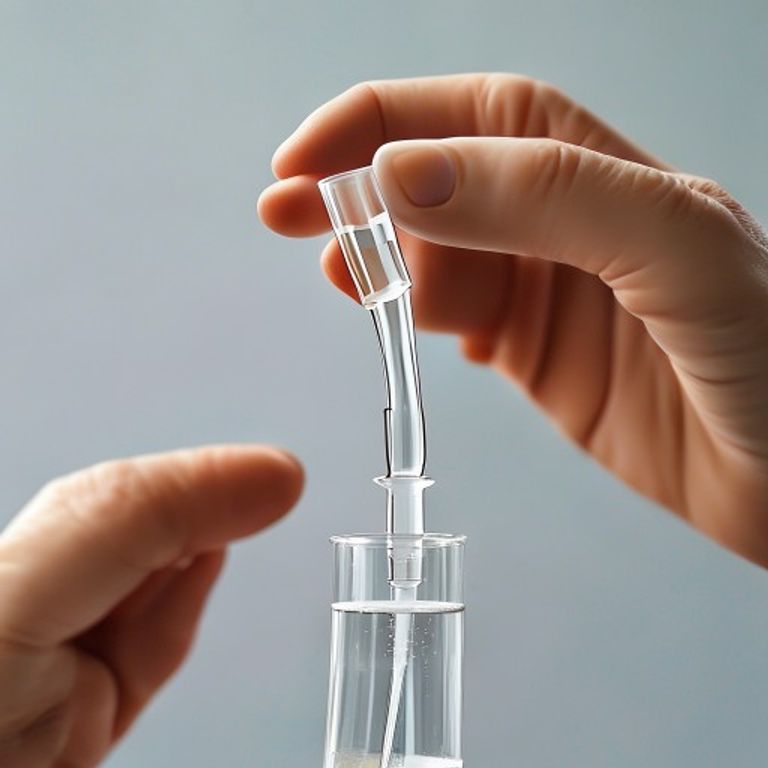
La plupart des remplisseuses ont une pointe en caoutchouc qui s'adapte à l'extrémité étroite d'une pipette volumétrique. Poussez doucement la pipette jusqu'à ce que vous sentiez une légère résistance, ce qui indique un joint approprié.
3. Définir le volume désiré
Régler le bouton de volume sur la pipette en fonction de l'expérience requise. Rappelez-vous, le remplissage ne définit pas le volume—Il ne fait que soutenir l'aspiration.
4. Créer le vide
Pressez lentement l'ampoule jusqu'à ce que vous entendiez un doux "whoosh". Cela crée une pression négative à l'intérieur du canon de la pipette.
5. Aspirer le liquide
Submerger l'extrémité juste sous la surface du liquide (environ 2 à 3 mm). Relâchez l'ampoule progressivement; le liquide s'élèvera dans la pipette. Arrêtez quand le ménisque atteint la ligne d'étalonnage.
6. Distribuer l'échantillon
Déplacez la pipette vers le récipient récepteur, touchez l'extrémité contre la paroi et appuyez doucement sur l'ampoule pour expulser le liquide. Évitez les éclaboussures rapides pour éviter les éclaboussures.
7. Ejecter les gouttelettes résiduelles
Après la distribution, toucher l'extrémité à un tampon absorbant propre et donner un robinet léger pour enlever les gouttelettes suspendues.
Technique appropriée pour un transfert précis de liquides
L'exactitude n'est pas à propos du remplissage—Vos mouvements de main comptent aussi. Traitez le remplissage comme une pompe à vélo : une pression constante et contrôlée donne les meilleurs résultats. Voici quelques conseils :
- Vitesse cohérente: Pressez et relâchez l'ampoule au même rythme à chaque fois.
- Alignement vertical : Gardez la pipette verticale pendant l'aspiration pour éviter le ménisque inégal.
- Facteurs de température : Les liquides chauds se développent; les liquides frais se contractent. Laisser la pipette s'équilibrer à la température ambiante avant utilisation.
Fixation de la pipette au remplissage
Si vous ne savez pas si la pipette est fixée correctement, donnez-lui un remorqueur doux. Une connexion sécurisée ne va pas bouger, tandis qu'un ajustement lâche va trembler. Pour les embouts jetables, appuyez simplement sur le joint en caoutchouc de remplissage.—pas d'outils supplémentaires nécessaires.
Dépannage de problèmes communs
- Bubbles d'air dans le tuyau: Libérez l'ampoule lentement et réaspirez. Si les bulles persistent, vérifiez les fissures dans le canon de la pipette.
- Bulbe de fuite: Inspectez le joint en caoutchouc pour l'usure. Remplacer le joint ou le remplissage complet s'il est fissuré.
- Volumes incompatibles: Étalez votre pipette régulièrement. Pour une plongée plus profonde sur la précision de la pipette, voir Le guide ultime des pipettes volumétriques.
Conseils de sécurité
Même si une pipette réduit le contact direct avec les produits chimiques, la sécurité demeure primordiale :
- N'aspirez jamais de solvants volatils ou toxiques avec un remplissage en plastique; utilisez un remplissage en verre conçu pour de tels produits chimiques.
- Ne jamais dépasser le volume maximum de votre pipette.
- Éliminer les bouts utilisés dans un contenant désigné pour les risques biologiques.
Conclusion
Maîtriser la pipette de remplissage est une petite compétence qui donne de grandes récompenses—des mesures plus précises, moins de pression manuelle et un flux de travail plus fluide. En suivant le guide étape par étape, en pratiquant une technique appropriée et en gardant un œil sur les points d'ennui communs, vous transformerez le pipetage d'une corvée en une partie fiable de votre routine quotidienne de laboratoire.
FAQ
Puis-je utiliser une pipette avec n'importe quel type de pipette?
La plupart des charges fonctionnent avec des pipettes volumétriques et sérologiques standard. Vérifiez les spécifications du fabricant pour la compatibilité avec les micropipettes ou les embouts jetables.
Combien de fois dois-je remplacer le joint en caoutchouc?
Inspecter le sceau avant chaque utilisation. Si vous remarquez des fissures, une fragilité ou une perte d'élasticité, remplacez-la immédiatement—généralement tous les 6 à 12 mois selon l'utilisation.
Est-il sûr d'aspirer des acides corrosifs avec un remplissage en plastique?
C'est pas vrai. Utiliser un matériau résistant aux produits chimiques (p. ex. verre ou PTFE) pour éviter la dégradation et la contamination potentielle.
Pourquoi ma pipette se sent-elle "douce" après de nombreuses utilisations ?
Le diaphragme interne de l'ampoule peut s'user, réduisant la puissance d'aspiration. Remplacer le remplissage ou la cartouche à diaphragme comme recommandé par le fournisseur.
Dois-je étalonner la pipette après avoir utilisé un remplisseur?
L'étalonnage est indépendant de la charge, mais des contrôles réguliers garantissent que la charge n'entraîne pas d'erreurs systématiques.