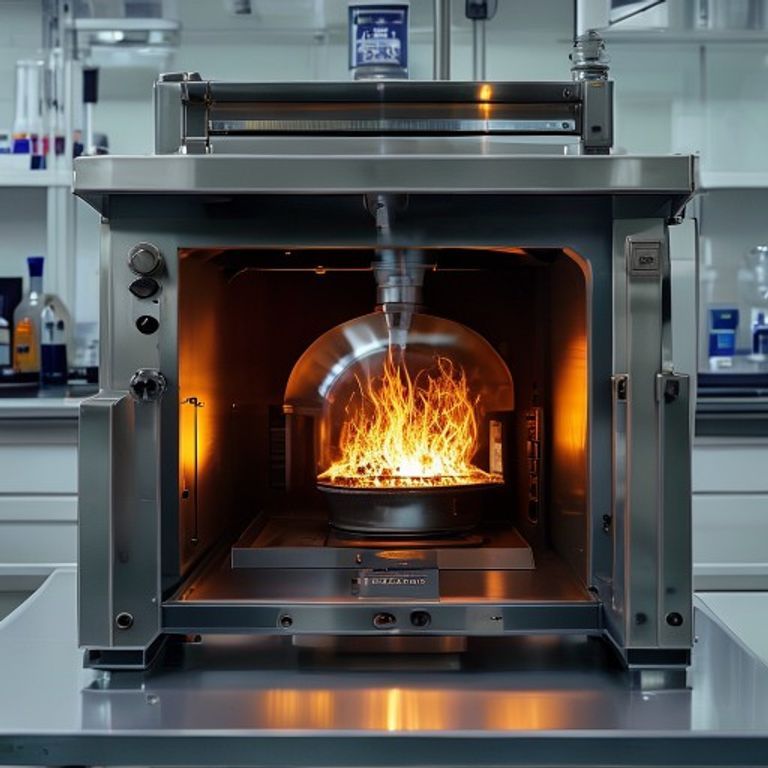
Choosing the Right Muffle Furnace: A Practical Guide for Labs

Introduction
When we talk about high‑temperature processing in a laboratory, the muffle furnace is often the star of the show. Whether you need to calcine ceramics, anneal metal powders, or perform heat‑treatment on delicate samples, a reliable furnace can make the difference between success and a burnt‑out experiment. In this guide I’ll walk you through the key factors to consider— from laboratory muffle furnace for heat treatment needs to energy efficient muffle furnace models—so you can pick a unit that fits your budget, space, and performance goals.
1. Know Your Temperature Requirements
First things first: what temperature does your application demand? High temperature muffle furnace specifications typically range from 1,200 °C up to 1,800 °C. If you only need 600 °C for routine drying, a lower‑spec model will save energy and cost.
- Low‑range (up to 600 °C): Ideal for drying, ashing, and mild calcination.
- Mid‑range (600 °C – 1,200 °C): Suitable for most ceramic crucible furnace work and metal oxide synthesis.
- High‑range (1,200 °C – 1,800 °C): Required for advanced ceramics, refractory testing, and inert atmosphere furnace operations.
2. Size and Portability
If your lab is cramped or you need to move the furnace between benches, consider a portable muffle furnace for small labs. Look for:
- Compact chamber dimensions (often 10 × 10 × 15 cm).
- Lightweight insulated housing—many models use high‑performance furnace insulation materials that keep the outer surface safe to touch.
- Quick‑connect power cords and optional rolling casters.
For larger facilities, a stationary unit with a bigger chamber (up to 30 L) provides more flexibility for bulk processing.
3. Temperature Control – Getting the Settings Right
Accurate temperature ramps are crucial. Modern units come with a programmable furnace controller that lets you set:
- Ramp rates (°C/min) – think of it as the “acceleration” button on a car.
- Soak times – the “cruise” phase where the temperature holds steady.
- Safety interlock system – automatically shuts off heating if the door is opened.
When fine‑tuning muffle furnace temperature controller settings, start with a slower ramp (e.g., 5 °C/min) for sensitive samples, then increase as you gain confidence.
4. Energy Efficiency – Saving Money While Staying Hot
Energy bills can skyrocket if the furnace is constantly cycling. Look for models that advertise:
- High‑efficiency heating elements (often made of silicon carbide).
- Advanced furnace insulation materials that reduce heat loss by up to 30%.
- Eco‑mode programs that lower standby power consumption.
Investing in an energy efficient muffle furnace model pays off within a year for most labs.
5. Safety Features You Can’t Ignore
Even though a muffle furnace is a “closed” system, safety interlocks and proper ventilation are a must. Choose a furnace that includes:
- Door lock with automatic shut‑off.
- Over‑temperature protection.
- Clear temperature read‑out on the front panel.
Pair it with a well‑ventilated hood, especially if you work with volatile compounds.
6. Complementary Lab Equipment
While you’re upgrading your furnace, you might also think about other essential tools. For instance, a good Rotary Evaporator 101 can streamline solvent removal after heat treatment, and a reliable Vortex Mixer Essentials helps you homogenize samples before they go into the furnace.
Conclusion
Choosing the right muffle furnace is less about chasing the highest temperature and more about matching the furnace to your specific workflow. Consider the temperature range, chamber size, portability, control features, energy consumption, and safety systems. By aligning these factors with your lab’s needs, you’ll get a furnace that not only delivers precise heat but also saves time, money, and headaches.
FAQ
Q: Can I use a regular muffle furnace for inert atmosphere work?
A: Not directly. You’ll need an inert atmosphere furnace or a sealed chamber with a gas inlet to keep oxygen out.
Q: How often should I calibrate the temperature controller?
A: At least once a year, or after any major maintenance. Use a certified thermocouple for the check.
Q: Are portable muffle furnaces as accurate as larger models?
A: Modern portable units have comparable accuracy (±2 °C) thanks to advanced programmable controllers, though they may have a narrower temperature range.
Q: What’s the best way to improve energy efficiency?
A: Choose a furnace with high‑quality insulation, use eco‑mode settings, and avoid leaving the furnace idle at high temperature.
Q: Do I need a separate safety interlock system?
A: Most new furnaces include built‑in interlocks, but adding an external safety shut‑off can provide an extra layer of protection.