The Humble Hero: Unveiling the True Function of a Beaker in Every Lab

Introduction: More Than Just a Glass Cup
When we picture a science lab, what often comes to mind? Test tubes, bubbling liquids, perhaps even a mad scientist! But there’s one piece of laboratory glassware that’s incredibly common yet often taken for granted: the beaker. It might look like a simple glass cup, but trust me, its role in the scientific world is far more significant than you might imagine. Today, we’re going to dive deep into the function of a beaker, exploring why this seemingly basic piece of scientific equipment is an absolute must-have in virtually every laboratory, from school classrooms to cutting-edge research facilities.
We’ll uncover its primary uses, understand its design features, and even talk about what it’s NOT meant for. So, let’s pull back the curtain on this unsung hero of the lab!
What Are the Primary Uses of a Beaker in a Laboratory?
The beauty of a beaker lies in its versatility. It’s truly a multi-tasker, designed to handle a variety of tasks in the lab. Think of it as the general-purpose container for almost anything liquid-related. Here are some of its core functions:
Holding and Storing Liquids: The Go-To Container
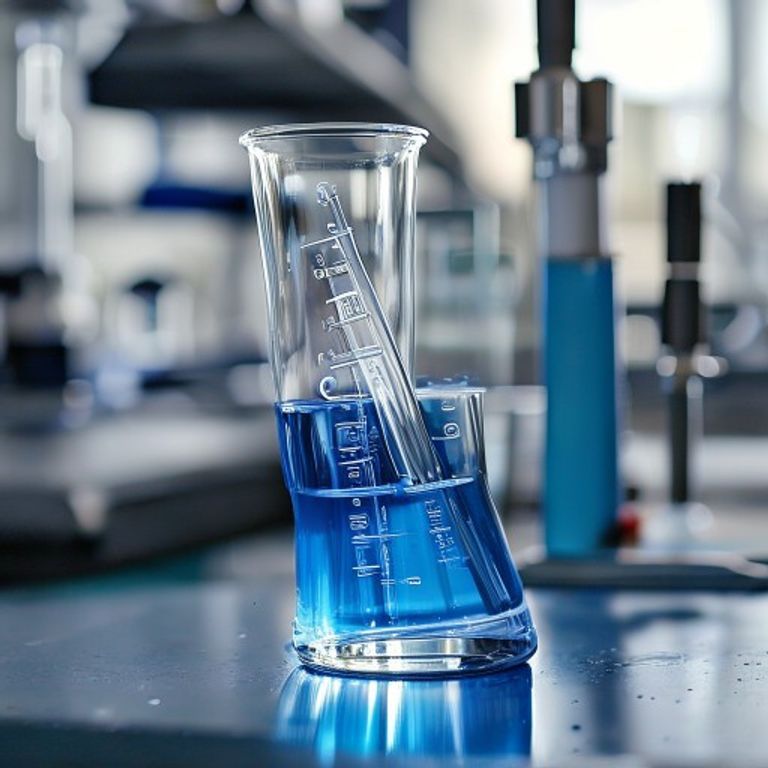
This is arguably the most fundamental function of a beaker. Need to temporarily hold a solution, reagent, or sample? A beaker is your best friend. Its wide mouth makes it easy to pour liquids in and out, and its stable base keeps it from tipping over easily. We often use it for short-term storage during an experiment, like when we’re preparing multiple solutions.
Mixing Chemicals: Stirring Things Up
Whether you’re combining two different liquids or dissolving a solid into a solvent, a beaker is perfect for mixing chemicals. Its wide opening allows for easy stirring with a glass rod or even magnetic stirrers. The cylindrical shape helps ensure thorough mixing without too much splashing, especially if you’re not working with volatile substances.
Heating Solutions: Bringing on the Heat
Most laboratory beakers are made from borosilicate glass (like Pyrex or Kimax), which is renowned for its excellent thermal resistance. This means we can safely heat solutions directly in a beaker using a hot plate, a heating mantle, or even a Bunsen burner (usually with the aid of a wire gauze and a tripod stand). It’s crucial for reactions that require elevated temperatures or for simply speeding up the dissolution process.
Preparing Solutions: Getting Ready for Experimentation
Before an experiment begins, we often need to prepare various solutions of specific concentrations. While a volumetric flask is used for precise final volumes, a beaker is excellent for the initial steps: dissolving solutes, mixing components, and bringing the solution close to the desired volume before transferring it for final adjustment.
The Purpose of the Spout on a Beaker: A Small Detail, Big Impact
Have you ever noticed that little indentation on the rim of a beaker? That’s not just for aesthetics; it’s a cleverly designed spout. Its purpose is quite simple yet incredibly practical: to facilitate easy, drip-free pouring. Think about pouring water from a normal glass versus a pitcher with a spout – the spout directs the flow, preventing liquid from running down the side of the container. This small feature minimizes spills, improves safety, and helps maintain the cleanliness of our workspace, especially when working with valuable or hazardous chemicals.
Why Is a Beaker Not Used for Accurate Volume Measurements?
Now, here’s a crucial point to understand: despite having volume markings on its side, a beaker is NOT designed for accurate volume measurements. We often see lines indicating 50 mL, 100 mL, 200 mL, and so on. These markings are approximate. If you need to measure liquid volumes precisely, you should reach for a graduated cylinder, a volumetric flask, or a pipette.
Why the difference? Beakers have a wide diameter, which means a small error in reading the meniscus (the curve of the liquid surface) can lead to a significant error in the measured volume. Plus, their manufacturing tolerances are less stringent compared to other precision glassware. So, while a beaker can give you a rough idea of volume (e.g., “about 100 mL”), for anything that requires scientific accuracy, we always turn to our more specialized tools. It’s like using a kitchen measuring cup for baking a cake versus a scientific scale for precise chemical formulations – different tools for different levels of accuracy.
How Does a Beaker Function Compared to a Graduated Cylinder?
To elaborate on the previous point, let’s briefly compare a beaker to a graduated cylinder, which is a common point of confusion for beginners. Both hold liquids and have volume markings, but their primary functions are distinct:
- **Beaker:** Best for holding, mixing, and heating solutions. Its wide mouth, stable base, and spout make it versatile for general lab work. Volume markings are approximate.
- **Graduated Cylinder:** Specifically designed for accurate measurement of liquid volumes. Its narrow, tall shape minimizes reading errors, and its markings are much more precise. It’s generally not ideal for heating (though some are heat-resistant) or vigorous mixing due to its slender design and higher risk of tipping.
So, while both are essential laboratory glassware, they serve different, complementary purposes.
Conclusion: The Indispensable Workhorse of the Lab
As we’ve explored, the function of a beaker extends far beyond simply holding liquids. It’s a truly indispensable tool in the laboratory, serving as our go-to vessel for mixing, heating, and preparing solutions. While it might not be the flashiest piece of equipment, its versatility, durability, and practical design make it an unsung hero of scientific experimentation. Understanding its strengths and, importantly, its limitations (especially regarding precise measurements) helps us use it effectively and safely in all our scientific endeavors. So, next time you see a beaker, you’ll know it’s much more than just a glass cup – it’s a fundamental pillar of laboratory work.
FAQ: Your Beaker Questions Answered
Q1: What are the primary uses of a beaker in a laboratory?
A1: The primary uses include holding liquids, mixing chemicals, heating solutions, and preparing various solutions for experiments. It’s a general-purpose container.
Q2: Why is a beaker not used for accurate volume measurements?
A2: Beakers are not used for accurate measurements because their volume markings are approximate due to their wide diameter. Even a small reading error can lead to a significant volume inaccuracy. For precision, we use tools like graduated cylinders or volumetric flasks.
Q3: What is the purpose of the spout on a beaker?
A3: The spout on a beaker is designed to allow for controlled, drip-free pouring of liquids, helping to prevent spills and maintain a clean and safe workspace.
Q4: How does a beaker function compared to a graduated cylinder?
A4: A beaker is for general purposes like holding, mixing, and heating with approximate volume indications. A graduated cylinder, on the other hand, is specifically designed for accurate measurement of liquid volumes and is generally not used for heating or vigorous mixing.