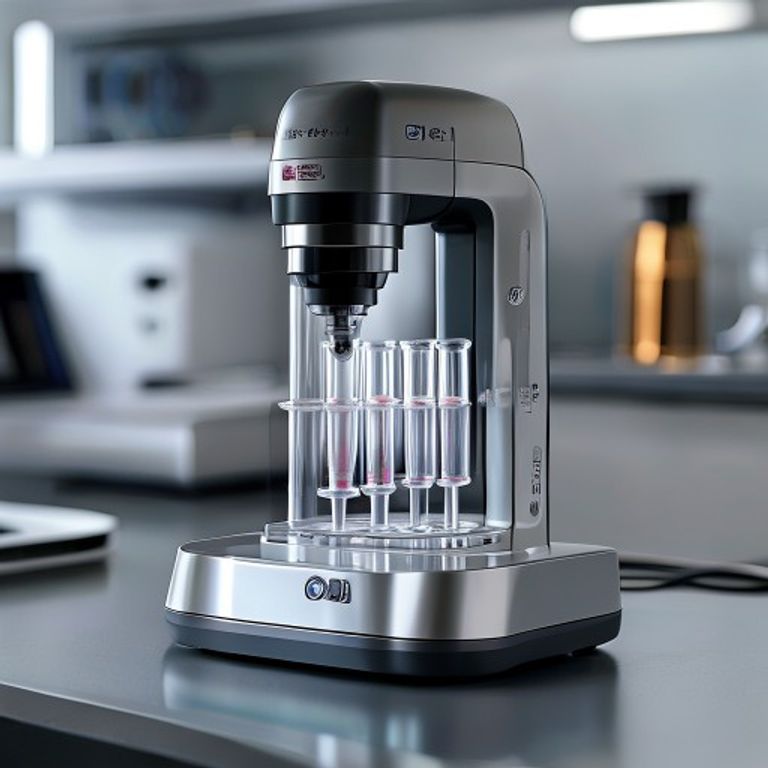
Vortex Mixer Essentials: Choosing the Right Model for Lab Work, DNA Extraction, and Portable Use

Introduction
When we need to mix tiny volumes quickly, a vortex mixer is the unsung hero on the bench. Whether you’re prepping a PCR reaction, extracting DNA, or simply resuspending cells, this compact device can spin a tube so fast it feels like a mini‑tornado. In this article I’ll walk you through the key features to look for, compare the most common types, and share practical tips that help you get the best performance without breaking the bank.
Why a Vortex Mixer Is a Lab Must‑Have
Think of a vortex mixer as the “blender” for test tubes. Instead of crushing ice, it creates a swirling vortex that agitates the liquid inside. This rapid motion ensures:
- Uniform mixing of reagents in microcentrifuge tubes.
- Efficient cell lysis for DNA extraction.
- Consistent sample preparation for downstream assays.
Because the motion is so vigorous, you can achieve results in seconds that would otherwise take minutes of manual pipetting.
Key Features to Consider
1. Speed Control & Variable Settings
Not every protocol needs maximum speed. A good portable vortex mixer with variable speed lets you dial in the exact rpm for delicate samples (like RNA) or crank up the power for tough cell pellets. Look for a digital display that shows the exact speed; it removes guesswork and improves reproducibility.
2. Tube Compatibility
Most vortex mixers accept standard 1.5 ml and 2 ml microcentrifuge tubes, but some also handle 15 ml conical tubes or even 96‑well plates. If you work with a variety of tube sizes, choose a model with an adjustable platform or interchangeable adapters.
3. Portability
For field work or small labs, a lightweight, battery‑operated unit is a game‑changer. Portable mixers often sacrifice a few speed settings, but they still deliver enough torque for routine DNA extraction and sample agitation.
4. Noise Level
While vortex mixers are inherently noisy, newer designs incorporate sound‑dampening housings. If your bench is shared with sensitive equipment, consider a quieter model.
5. Build Quality & Warranty
A sturdy motor and a metal base prolong the lifespan, especially when you run the mixer for many cycles per day. Check the warranty length – a longer warranty usually signals confidence from the manufacturer.
Choosing the Right Model for Specific Applications
Lab Vortex Shaker vs. Orbital Shaker Alternative
If you need continuous agitation for culture plates, an orbital shaker might be the better choice. However, for quick, high‑speed mixing of tubes, a vortex mixer remains the go‑to tool. It’s essentially an “orbital shaker alternative” for single‑tube work.
Vortex Mixer for DNA Extraction
During DNA extraction, you often have to resuspend cell pellets or mix lysis buffers. A mixer with a gentle speed range (200–800 rpm) prevents shearing the DNA while still providing thorough mixing. Pair it with a mastering the vortex mixer guide to find models that balance power and delicacy.
Portable Vortex Mixer with Variable Speed
Field researchers love a compact unit that runs on AA batteries and offers at least three speed settings. Even with a smaller motor, the variable speed knob lets you adapt to different sample types, from saliva swabs to soil suspensions.
Vortex Mixer with Digital Display
Precision matters in quantitative assays. A digital readout eliminates the “guess the speed” problem and lets you document exact settings in your lab notebook. This feature is especially useful when you’re following a vortex mixers decoded protocol that specifies rpm values.
Practical Tips for Getting the Most Out of Your Mixer
- Secure the tube. Use the rubber grip or a tube holder to prevent slipping.
- Set the timer. Many mixers have a built‑in timer; a 5‑second burst is usually enough for most reagents.
- Use the right speed. Start low, observe the vortex, then increase if mixing looks incomplete.
- Clean regularly. Wipe the platform after each use to avoid cross‑contamination.
- Document settings. Record the rpm and duration in your experiment log for reproducibility.
Conclusion
Choosing a vortex mixer doesn’t have to be a gamble. By focusing on speed control, tube compatibility, portability, and noise level, you can pick a model that fits both your budget and experimental needs. Whether you’re a molecular biologist extracting DNA, a biotech startup needing a reliable mixing device, or a field scientist requiring a portable solution, there’s a vortex mixer out there that will spin your samples into perfection. For a deeper dive into model comparisons, check out the ultimate guide to vortex mixers – it covers everything from mini‑models to high‑throughput options.
FAQ
Can I use a vortex mixer for 96‑well plates?
Most standard vortex mixers are designed for single tubes, but some models offer a plate adapter. If you need to mix plates regularly, consider an orbital shaker instead.
Is a digital display necessary?
While not mandatory, a digital display helps you set and repeat exact speeds, which is crucial for quantitative protocols.
How often should I replace the motor?
With regular cleaning and moderate use, a good motor can last 5–7 years. Watch for reduced speed or unusual noise as signs it may need servicing.
Do portable vortex mixers work on battery power alone?
Yes, most portable units run on AA or rechargeable batteries and provide enough torque for typical lab tasks, though they may have fewer speed settings than benchtop models.
Can a vortex mixer damage delicate samples?
If you use an excessively high speed on fragile samples (like RNA), you risk shearing. Always start at the lowest speed that creates a visible vortex and increase only if needed.