Mastering Stirring Rod Chemistry: Practical Tips, Best Practices, and Choosing the Right Rod for Your Lab

Introduction
When I first stepped into a chemistry lab, the humble stirring rod seemed like just another piece of glass. But over the years I’ve learned that the right rod—whether glass, plastic, or magnetic—can make a huge difference in reaction consistency, safety, and cleanup time. In this article I’ll share practical insights on stirring rod chemistry, from selecting the perfect size for tiny reactions to keeping your rods spotless after a messy experiment.
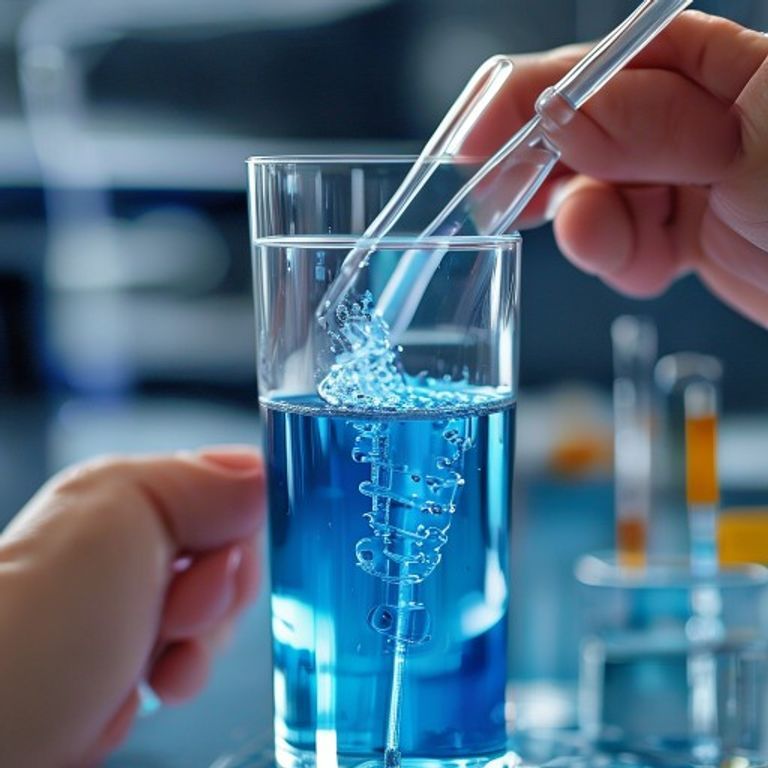
Glass Stirring Rod for Laboratory Experiments
Glass rods are the classic workhorse in any chemistry bench. They’re chemically inert, can withstand high temperatures, and give you a tactile feel of the solution’s viscosity. Here are a few reasons I still reach for a glass rod:
- Inertness: No leaching of plastics or metals, ideal for sensitive reactions.
- Heat resistance: Safe up to the boiling point of water and beyond.
- Precision: The smooth surface lets you control stirring speed manually.
If you’re working with volatile solvents or need to heat a solution, a glass stirring rod for laboratory experiments is usually the safest bet.
How to Use a Magnetic Stirring Rod in Chemistry
Magnetic stirrers have become a staple for reproducible mixing, especially in closed systems. To get the most out of a magnetic stirring rod:
- Place the magnetic bar (stir bar) into the flask or beaker.
- Fill the vessel with the appropriate volume of liquid—too little can cause the bar to spin erratically.
- Set the magnetic stirrer speed; start low and increase until you see a steady vortex.
- Watch for “sticking” when the bar hits the vessel wall; adjust speed or volume accordingly.
One handy tip: use a stir bar with a coating (PTFE or glass) when dealing with corrosive acids to protect the magnetic core.
Best Practices for Cleaning a Stirring Rod in the Lab
Cleaning might feel like a chore, but a well‑cleaned rod prevents cross‑contamination. My go‑to cleaning routine:
- Rinse immediately: After use, rinse the rod with the same solvent you just used to dissolve residues.
- Wash with detergent: Use a mild laboratory detergent and a brush for stubborn spots.
- Rinse with distilled water: Follow up with a thorough water rinse to remove any soap.
- Dry properly: Air‑dry on a clean rack or pat dry with lint‑free wipes.
For glass rods that have been exposed to strong acids or bases, a brief soak in a neutralizing bath (e.g., sodium bicarbonate solution for acids) can neutralize leftover reagents before the detergent step.
Differences Between Glass and Plastic Stirring Rods in Chemistry
While glass is the default, plastic rods have their niche. Here’s a quick comparison I use when deciding which to grab:
| Feature | Glass Rod | Plastic Rod |
|---|---|---|
| Chemical resistance | Excellent for most reagents | Limited; can leach with strong solvents |
| Temperature tolerance | Up to ~500 °C | Usually ≤120 °C |
| Breakage risk | Can shatter if dropped | Flexible, less breakage |
| Cost | Higher per piece | Lower, often disposable |
If you’re handling delicate biological samples or need a disposable option, a plastic rod might save time. For high‑temperature or highly reactive chemistry, stick with glass.
Selecting the Right Size Stirring Rod for Small‑Scale Reactions
Small‑scale reactions (milliliters to a few tens of milliliters) demand a rod that fits comfortably without crowding the vessel. I follow these guidelines:
- Length: Choose a rod about 2–3 cm longer than the vessel height.
- Diameter: A thinner rod (2–3 mm) offers better control in narrow test tubes.
- Tip shape: Rounded tips are gentle on glassware; pointed tips help break up clumps.
When you’re working in a test tube, remember the classic question: what exactly is a test tube? Understanding its dimensions helps you pick a rod that reaches the bottom without scratching the walls.
Integrating Other Lab Tools: A Quick Look
Stirring isn’t the only step in a successful experiment. Accurate liquid handling often comes from a reliable pipette. If you’re curious about how pipettes fit into the bigger picture of lab precision, check out this guide on the essential uses of pipettes in modern laboratories. Pairing a clean pipette with a well‑stirred solution ensures reproducibility from start to finish.
Conclusion
Mastering stirring rod chemistry is less about memorizing rules and more about developing a feel for your reagents, vessels, and the tools at hand. Whether you opt for a classic glass rod, a flexible plastic one, or a magnetic stir bar, the key is to choose the right size, keep it clean, and understand its limits. With these practical tips, your next experiment will mix smoothly—literally and figuratively.
FAQ
Q: Can I use a plastic stirring rod with strong acids?
A: It’s not recommended. Plastic can degrade and leach contaminants. Stick to glass or PTFE‑coated rods for aggressive acids.
Q: How often should I replace magnetic stir bars?
A: Inspect them weekly. Replace if the coating is scratched, the magnet is exposed, or if you notice a loss of stirring efficiency.
Q: Is it okay to reuse a glass rod after a single rinse?
A: For non‑contaminating reactions, a quick rinse may suffice. For analytical work or when switching reagents, follow the full cleaning routine.
Q: What diameter is best for stirring in a 50 mL beaker?
A: A rod around 3–4 mm diameter provides good control without taking up too much space.
Q: Do I need a separate rod for each type of solvent?
A: Not necessarily, but it’s good practice to have dedicated rods for highly reactive or hazardous solvents to avoid cross‑contamination.