The Ultimate Guide to Choosing the Perfect Round‑Bottom Flask for Your Lab Work

Introduction
When I set up a new synthesis or a reflux reaction, the first piece of glassware I reach for is a round‑bottom flask. It’s the workhorse of any chemistry lab – versatile, sturdy, and able to handle a wide range of temperatures. In this article I’ll walk you through the most important features to consider, from volume and joint size to special options like magnetic stir bars or graduated markings. By the end, you’ll know exactly which round‑bottom flask fits your experiment like a glove.
Why a Round‑Bottom Flask?
A round‑bottom flask distributes heat evenly, which is crucial for reactions that need precise temperature control. Its spherical shape also makes it ideal for connecting to condensers, reflux heads, or fractionating columns without creating dead zones where hot spots could form.
Key Benefits
- Uniform heating: Perfect for oil baths and heating mantles.
- Easy sealing: Ground‑glass joints create a leak‑free connection.
- Versatility: Works with reflux, distillation, and inert‑gas setups.
Common Variants and What They’re Best For
1. 250 ml Round‑Bottom Flask with Ground‑Glass Joint
If you’re doing small‑scale organic synthesis, a 250 ml flask is often the sweet spot – large enough to hold reagents and a magnetic stir bar, but small enough to fit comfortably on a standard heating mantle. The ground‑glass joint (usually 24/40) ensures a tight fit with condensers or adapters.
2. Borosilicate Round‑Bottom Flask for Reflux
Borosilicate glass can withstand rapid temperature changes and harsh chemicals, making it the go‑to choice for reflux. It’s also resistant to thermal shock, so you can safely quench a hot reaction by adding ice water without worrying about cracks.
3. Round‑Bottom Flask with Magnetic Stir Bar
Some manufacturers sell flasks pre‑loaded with a magnetic stir bar. This saves you time and guarantees that the bar sits perfectly at the bottom, which is especially handy for reactions that need continuous agitation.
4. Autoclavable Round‑Bottom Flask for Laboratory Use
When sterility is a must – for example in microbiology or pharmaceutical labs – an autoclavable flask can be sterilized at 121 °C without degrading. Look for flasks labeled “autoclavable” and made from high‑quality borosilicate.
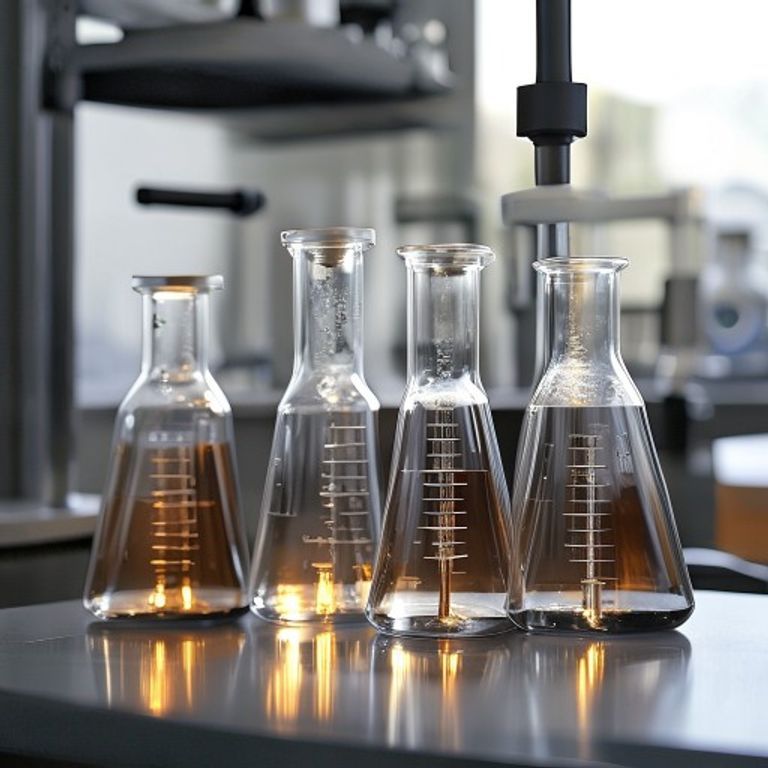
5. Round‑Bottom Flask with Graduated Markings
Graduated flasks let you monitor reaction volume without opening the system. They’re not as precise as volumetric flasks, but the markings are sufficient for most synthetic work where you only need an approximate volume.
How to Choose the Right Flask for Your Application
Here’s a quick checklist I use before ordering new glassware:
- Volume: Match the flask size to the total reaction volume plus headspace (at least 20% extra).
- Joint Size: 24/40 is standard, but 14/20 or 19/22 may be needed for smaller adapters.
- Material: Borosilicate for most chemistry; autoclavable if you need sterility.
- Special Features: Magnetic stir bar, graduated markings, or extra‑thick walls for high‑pressure work.
For example, when I set up a distillation with a fractionating column, I always pick a flask that can handle the weight of the column and the reflux condenser. Speaking of which, you might want to read mastering the fractionating column to understand how the flask integrates into the whole assembly.
Practical Tips for Using and Maintaining Your Flask
Cleaning
After each run, soak the flask in a dilute acid (e.g., 5 % nitric acid) to dissolve residues, then rinse thoroughly with deionized water. For stubborn organics, a solvent soak (acetone or ethanol) followed by a gentle brush works well.
Safety Checks
- Inspect the ground‑glass joint for chips before each use.
- Never heat an empty flask – it can crack from thermal shock.
- Use a heating mantle or oil bath rather than direct flame for better temperature control.
Storage
Store flasks upright on a rack with a soft liner to prevent scratches. If you have autoclavable flasks, keep them in a clean, dry cabinet to avoid contamination.
FAQ
Q: Can I use a round‑bottom flask for a precipitation reaction?
A: Absolutely. In fact, many precipitation protocols recommend a round‑bottom flask because the shape allows for even mixing. For detailed precipitation strategies, see how to precipitate compounds efficiently.
Q: What’s the difference between a 24/40 and a 14/20 joint?
A: The numbers refer to the diameter (in mm) and the taper length. Larger joints (24/40) are stronger and fit standard condensers, while smaller joints are used for compact setups.
Q: Is it safe to autoclave a flask that has been used for organic synthesis?
A: Only if you’ve removed all organic residues. Residual solvents can cause pressure buildup. Thorough cleaning is essential before autoclaving.
Q: Do graduated markings affect the flask’s strength?
A: No. The markings are etched onto the surface and do not compromise the glass thickness.
Conclusion
Choosing the right round‑bottom flask is more than just picking a size. Material, joint type, and special features like magnetic stir bars or graduations can make a big difference in safety, efficiency, and reproducibility. By matching the flask to your specific workflow – whether you’re doing reflux, distillation, or a simple precipitation – you’ll save time, reduce waste, and get more reliable results. Happy experimenting!