

The Unsung Hero: Unlocking the Versatile Functions of an Erlenmeyer Flask in Your Lab

If you’ve ever stepped foot in a chemistry lab, you’ve definitely seen it. That distinctively shaped piece of laboratory glassware with a flat base, a conical body, and a cylindrical neck. Yes, I’m talking about the Erlenmeyer flask! Often simply called a conical flask, it’s one of those ubiquitous tools that might seem simple, but its design is actually quite brilliant. But have you ever stopped to think about what is the primary function of an Erlenmeyer flask? Or why we reach for it instead of a beaker for certain tasks? Let’s dive deep into the fascinating world of this lab workhorse and discover its true potential.
I remember my first time in a chemistry lab, feeling overwhelmed by all the different glass containers. There were beakers, test tubes, and then this odd-shaped flask. Initially, I thought it was just another fancy container, but I quickly learned its unique shape serves very specific and practical purposes that make it indispensable. From swirling solutions to precise titration experiments, the Erlenmeyer flask plays many crucial roles.
What Makes the Erlenmeyer Flask So Special?
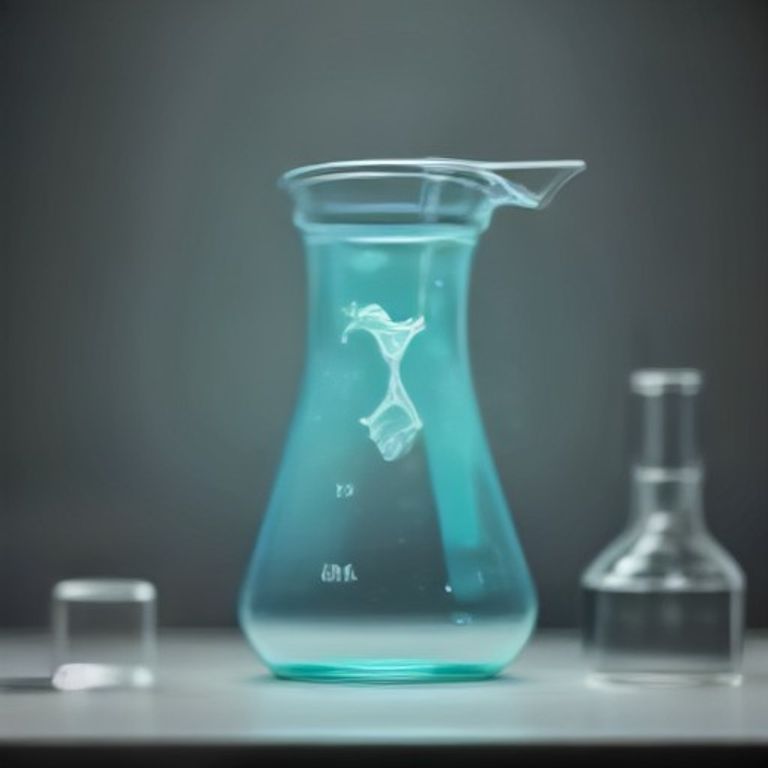
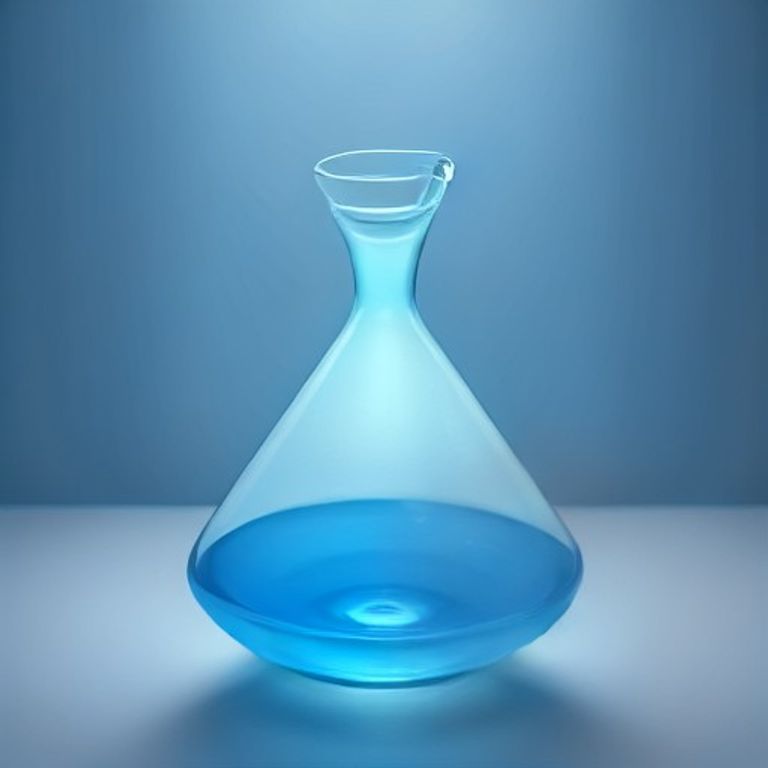
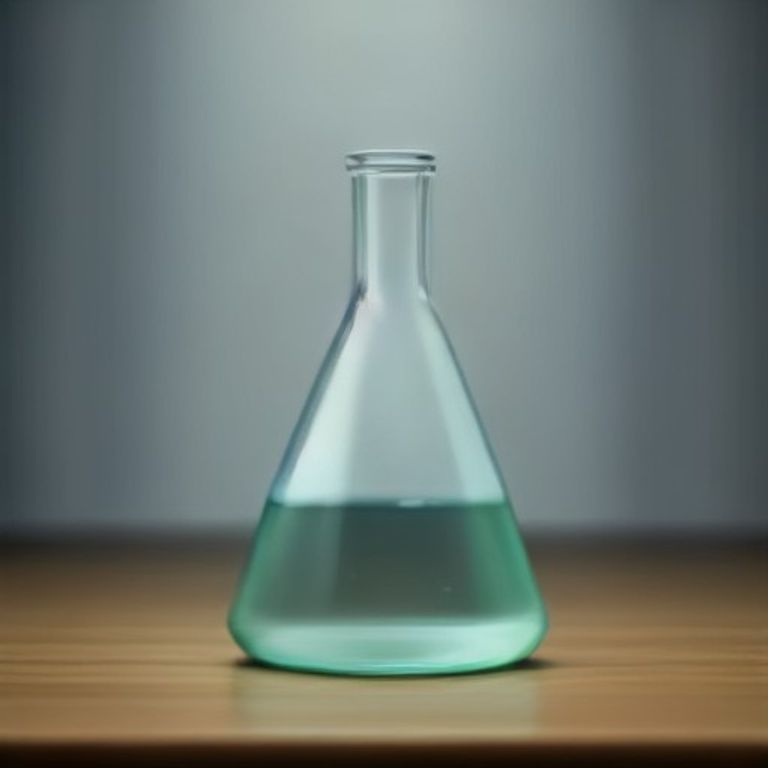
At first glance, its most striking feature is its shape. Unlike a beaker, which has straight sides and a wide mouth, an Erlenmeyer flask tapers from a wide, flat base to a narrow neck. This isn’t just for aesthetics; it’s a design masterpiece for practical lab work. The flat bottom provides stability, while the conical body and narrow neck are the real game-changers. Think of it like this: if you’re trying to mix something vigorously in an open bowl, you’re bound to make a mess. The Erlenmeyer flask solves this problem elegantly.
The Art of Swirling: Mixing Solutions Made Easy
One of the most common answers to “what is the primary function of an Erlenmeyer flask” revolves around mixing. Its conical shape makes it perfect for swirling solutions without the risk of spillage. When you gently swirl an Erlenmeyer flask, the liquid inside moves in a controlled, circular motion, ensuring thorough mixing without splashing out. Imagine trying to do that with a wide-mouthed beaker – you’d have liquid all over your lab bench in no time! This feature is a lifesaver when you need to dissolve solids or homogenize liquids effectively and safely. It’s why we often grab an Erlenmeyer flask for stirring by hand or using a magnetic stirrer.
Titration’s Best Friend: Precision in Action
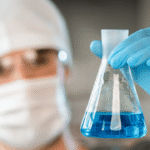
If you’ve ever performed a titration experiment, you’ll know that the Erlenmeyer flask is practically a required piece of laboratory glassware. In titration, we slowly add a solution of known concentration (the titrant) to a solution of unknown concentration (the analyte) until a reaction is complete, often indicated by a color change. The narrow neck of the Erlenmeyer flask minimizes evaporation, which is crucial for accurate results. More importantly, it allows us to swirl the solution continuously during the addition of the titrant, ensuring the reagents mix quickly and completely. This constant mixing is vital for observing the precise endpoint of the reaction, which is often a subtle color change visible against the white background of the lab bench. This is precisely why use an Erlenmeyer flask for swirling solutions during such sensitive experiments.
Beyond Mixing: Heating and Storing Solutions
While mixing and titration are its stellar roles, the erlenmeyer flask uses extend further. Its heat-resistant glass (usually borosilicate) means it can be safely heated on a hot plate or with a Bunsen burner, though care must always be taken. The narrow neck also makes it easy to stopper, allowing for temporary storage of solutions or even the creation of a closed system for reactions where gas exchange needs to be controlled. This versatility makes it an invaluable asset for various chemical processes. We can use them for simple boiling tasks, for preparing media, or even for setting up basic distillation setups when combined with other equipment.
Erlenmeyer Flask vs. Beaker: Why Choose One Over the Other?
This is a question I often hear, and it boils down to function. While both are fundamental pieces of laboratory glassware, their designs serve different primary purposes. Beakers, with their wide mouths and straight sides, are excellent for pouring, measuring approximate volumes, and holding solutions that don’t require vigorous mixing or minimizing evaporation. They’re like an all-purpose cup. However, the advantages of an Erlenmeyer flask over a beaker become clear when mixing, preventing spillage, or needing to seal the container. For instance, if I need to heat a solution gently and don’t want too much solvent to escape, I’d pick an Erlenmeyer. If I just need to hold 100 mL of water, a beaker is perfectly fine.
Conclusion
So, the next time you see an Erlenmeyer flask, remember it’s far more than just a piece of glass. Its ingenious design makes it a true unsung hero in the lab, perfect for everything from vigorous swirling to precise titration experiments. Its versatility and practical advantages, especially compared to its cousin the beaker, solidify its place as an essential tool for chemists and scientists worldwide. It’s a simple design that delivers big on functionality, making our lab work safer, cleaner, and more accurate.
Frequently Asked Questions (FAQ)
Q1: Can I heat liquids in an Erlenmeyer flask?
A1: Yes, most Erlenmeyer flasks are made from borosilicate glass, which is heat resistant and safe for heating on a hot plate or with a Bunsen burner. However, always ensure the flask is not completely sealed when heating to prevent pressure buildup, unless it’s designed for a specific reaction under pressure.
Q2: Is an Erlenmeyer flask used for accurate volume measurements?
A2: No, Erlenmeyer flasks are generally not used for accurate volume measurements. While they have volume markings, these are approximate. For precise volume measurements, you should use measuring cylinders, volumetric flasks, or burettes.
Q3: What’s the main difference between an Erlenmeyer flask and a beaker?
A3: The main difference lies in their shape and primary function. Erlenmeyer flasks have a conical body and a narrow neck, ideal for swirling solutions without spillage and for reducing evaporation. Beakers have straight sides and a wide mouth, making them better for pouring, holding, and rough volume estimation.
Q4: Can I stopper an Erlenmeyer flask?
A4: Yes, the narrow neck of an Erlenmeyer flask is designed to accommodate stoppers (corks or rubber stoppers), making it suitable for temporary storage of solutions or for reactions that require a closed system.