Understanding the Measuring Cylinder Function: Practical Tips for Accurate Volume Measurement

Introduction
When we step into a chemistry lab, one of the first pieces of glassware we grab is the measuring cylinder. It may look simple—a tall, narrow tube with markings—but its role in getting reliable results is anything but trivial. In this article, I’ll walk you through the main function of a measuring cylinder, show you how to use it correctly, and explain why it often beats a beaker when precision matters.
Main Function of a Measuring Cylinder
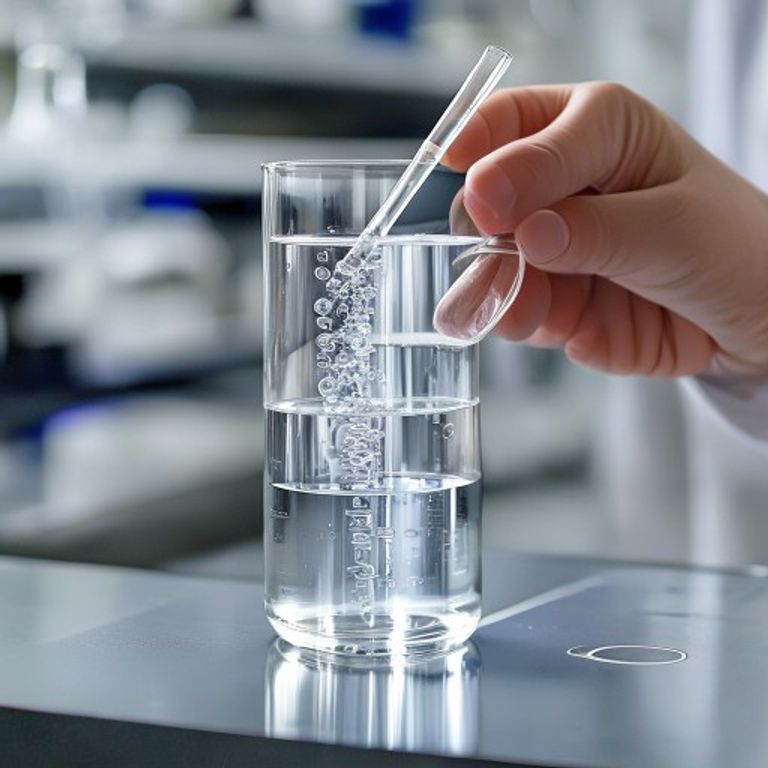
The primary job of a measuring cylinder (also called a graduated cylinder) is to measure the volume of liquids accurately. Unlike beakers, which are designed for mixing and holding, measuring cylinders have finely spaced graduations that let you read volumes down to a fraction of a milliliter. This precision is crucial for experiments where the exact amount of a reagent can change the outcome.
How to Use a Measuring Cylinder to Measure Liquid Volume
Getting a reliable reading is a mix of proper technique and a bit of attention to detail. Here’s a step‑by‑step guide:
- Choose the right size. Pick a cylinder that holds about 5‑10 % more than the volume you need. Using a 100 mL cylinder to measure 5 mL will give you a larger relative error.
- Clean and dry. Rinse the cylinder with the same liquid you’ll measure to avoid contamination and ensure consistent surface tension.
- Read at eye level. Position your eye directly in line with the meniscus (the curved surface of the liquid). Read the bottom of the meniscus for water‑based liquids; the top for mercury.
- Take the reading. Note the nearest graduation mark and then estimate the fraction between marks (usually 0.1 mL for a 10 mL cylinder).
- Record and repeat. Write down the volume and, if possible, repeat the measurement to confirm consistency.
Following these steps helps you achieve the accuracy you’d expect from a practical uses of graduated cylinders in everyday lab work.
Function of Graduated Cylinder in Chemistry
In chemistry, the graduated cylinder is the workhorse for tasks such as:
- Preparing standard solutions.
- Transferring known volumes to flasks for titration.
- Measuring reactants for stoichiometric calculations.
Because the graduations are calibrated for volume, you can quickly convert the measured amount into moles, mass, or concentration—key steps in any experiment.
Why Use a Measuring Cylinder Instead of a Beaker?
Both are made of similar glass, but they serve different purposes:
- Precision. Beakers have wide openings and few markings, leading to large uncertainties (often ±5 %). Measuring cylinders reduce that to ±0.5 % or better.
- Meniscus visibility. The narrow shape of a cylinder makes the meniscus easier to see, which is essential for accurate readings.
- Reduced evaporation. The smaller opening limits liquid loss, especially for volatile solvents.
If you need quick, rough estimates, a beaker is fine. For anything that requires reproducibility, reach for the measuring cylinder.
Key Tips for Accurate Volume Measurement
Even with a perfect cylinder, small habits can introduce error. Keep these tips in mind:
- Always read the volume at the bottom of the meniscus.
- Hold the cylinder on a level surface; a tilted cylinder skews the reading.
- Temperature matters—liquids expand or contract, so note the lab temperature if high precision is required.
- When transferring the liquid, use a funnel or pipette to avoid spillage that could change the volume.
For a deeper dive into selecting the right glassware, check out the measuring cylinders for accurate volume measurement guide.
Common Mistakes to Avoid
Here are a few pitfalls I’ve seen even experienced lab techs fall into:
- Reading from the top of the meniscus. This adds a systematic error, especially with water where the meniscus curves inward.
- Using the wrong size cylinder. Over‑ or under‑filling leads to larger relative errors.
- Not cleaning between uses. Residual chemicals can alter surface tension, affecting the meniscus shape.
Conclusion
The measuring cylinder may be a humble piece of lab glassware, but its function is vital for accurate volume measurement. By understanding its purpose, mastering proper technique, and avoiding common errors, you can ensure that your experiments are reproducible and trustworthy. Remember, the right tool—used correctly—makes all the difference between a good result and a great one.
FAQ
Q: Can I use a measuring cylinder for viscous liquids?
A: Yes, but pour slowly and allow the liquid to settle before reading the meniscus. Viscous liquids may form a thicker meniscus that can be harder to read.
Q: How often should I calibrate my measuring cylinder?
A: For routine work, visual inspection is enough. For high‑precision tasks, compare its readings against a calibrated volumetric flask monthly.
Q: Is it okay to use a measuring cylinder for heating liquids?
A: Most glass cylinders can handle moderate heating, but rapid temperature changes can cause breakage. Use a water bath for gentle heating.
Q: What’s the difference between a graduated cylinder and a volumetric flask?
A: A graduated cylinder provides a range of volumes with moderate precision, while a volumetric flask is calibrated for a single, highly precise volume.
Q: How do I minimize parallax error?
A: Keep your eye level with the meniscus and avoid looking from above or below the cylinder.