

The Ultimate Guide to Laboratory Spatula Uses: From Scooping Chemicals to Precise Solid Transfer

Introduction
When we step into a chemistry lab, the first thing we notice isn’t the fancy spectrometer or the towering fume hood – it’s the humble laboratory spatula. This tiny tool might look simple, but it’s a workhorse for anyone who deals with powders, crystals, or any solid material. In this article I’ll walk you through the many laboratory spatula uses, share practical tips, and even compare the different types you’ll find on a bench.
What Are Laboratory Spatulas Used For?
At its core, a lab spatula is a sampling tool designed for safe, accurate handling of solid chemicals. Here are the most common scenarios:
- Measuring out small quantities of powders for reactions.
- Transferring solids from a storage jar to a weighing boat.
- Mixing reagents directly on a spot plate or in a beaker.
- Collecting residues after filtration or drying.
Think of it as the lab’s version of a kitchen spoon – but instead of stirring soup, you’re moving reactive powders without contaminating them.
Scooping Chemicals with a Lab Spatula
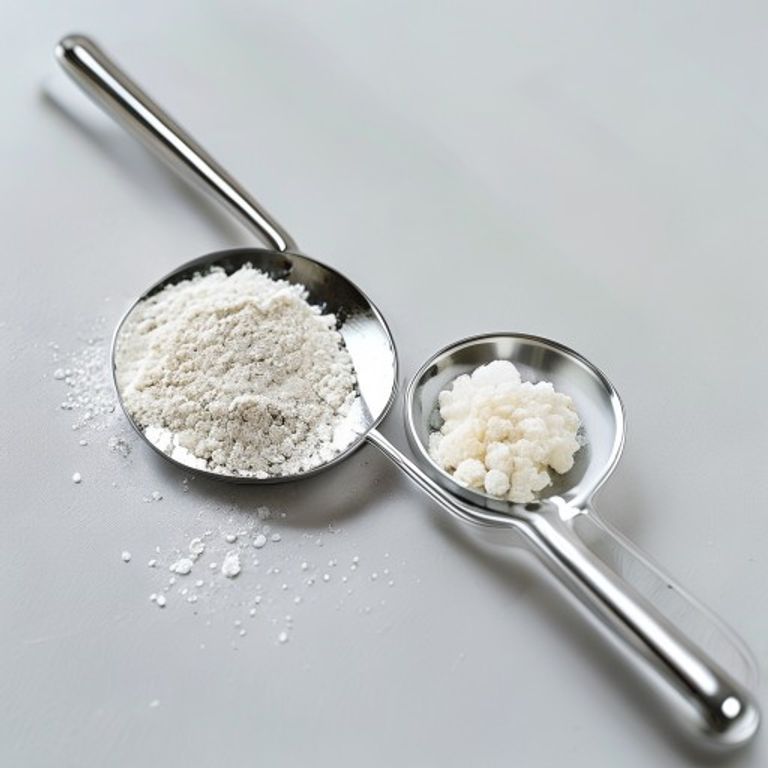
When you need to scoop a fine powder, the shape of the spatula matters. A flat, broad blade spreads the material evenly, while a curved tip can dig into compacted substances. Here’s a quick workflow I follow:
- Open the container carefully. Avoid shaking to prevent dust clouds.
- Use the edge of the spatula to lift the desired amount.
- Tap the spatula gently against the side of the container to release excess.
- Transfer the powder to a pre‑weighed weighing paper or boat.
For especially sticky or hygroscopic substances, a essential guide to mortar and pestle function can help you pre‑grind the material, making the spatula’s job easier.
Transferring Solids Safely
Moving solids from one vessel to another sounds trivial, but it’s a common source of errors. A few practical pointers:
- Choose the right size. A spatula that’s too large will waste material; too small and you’ll need multiple passes.
- Maintain a steady hand. Holding the spatula at a slight angle reduces the chance of spilling.
- Use a clean surface. Always wipe the blade with a lint‑free wipe before switching chemicals.
When you’re working with multiple reagents, label each spatula or keep a quick note on the bench – it saves a lot of headaches later.
Different Types of Lab Spatulas and Their Specific Uses
Not all spatulas are created equal. Here’s a rundown of the most popular designs and when to pick each:
Flat Blade Spatula
Ideal for scooping powders and spreading them across a surface. The thin edge provides precision for micro‑scale work.
Round‑Tip (Scoopula) Spatula
Best for handling granular solids or crystals that need to be lifted without breaking. The rounded tip mimics a tiny shovel.
Stainless Steel vs. Plastic
Stainless steel is chemically resistant to most acids and bases, while plastic (often PTFE‑coated) is perfect for highly reactive or corrosive substances that could damage metal.
Disposable Plastic Spatulas
Great for single‑use applications where cross‑contamination is a concern – think biological samples or hazardous powders.
Tips for Choosing and Maintaining Your Spatula
Even the best spatula won’t perform well if you neglect it. Follow these simple steps:
- Inspect before each use. Look for bent tips or cracks.
- Clean immediately after use. Rinse with appropriate solvent, then dry with a lint‑free cloth.
- Store flat. Avoid stacking heavy items on top of spatulas to keep the blades straight.
- Replace regularly. For disposable models, discard after a single use; for reusable ones, replace when wear becomes visible.
Conclusion
Whether you’re a seasoned researcher or a student just starting out, mastering the laboratory spatula uses can boost the accuracy of your experiments and keep your bench tidy. By selecting the right type, handling it with care, and maintaining a clean workflow, you turn this modest tool into a reliable partner for every chemistry adventure.
FAQ
What are the main differences between a spatula and a scoopula?
A spatula typically has a flat, thin blade for scraping and spreading, while a scoopula features a rounded tip designed to scoop and lift powders without crushing them.
Can I use a metal spatula with strong acids?
Stainless steel spatulas are generally resistant to many acids, but for highly corrosive or oxidizing acids (e.g., hydrofluoric acid), a PTFE‑coated plastic spatula is safer.
How do I avoid cross‑contamination when using the same spatula for different chemicals?
Clean the spatula thoroughly with a suitable solvent between uses, and consider using disposable spatulas for especially reactive or hazardous substances.
Is there a size recommendation for micro‑scale work?
For micro‑scale (≤ 10 mg) transfers, a miniature flat‑blade spatula about 2 cm long provides the precision needed without excess material loss.
Where can I learn more about related lab tools?
Check out the spot plate secrets article to see how another simple tool can make a big difference in your workflow.