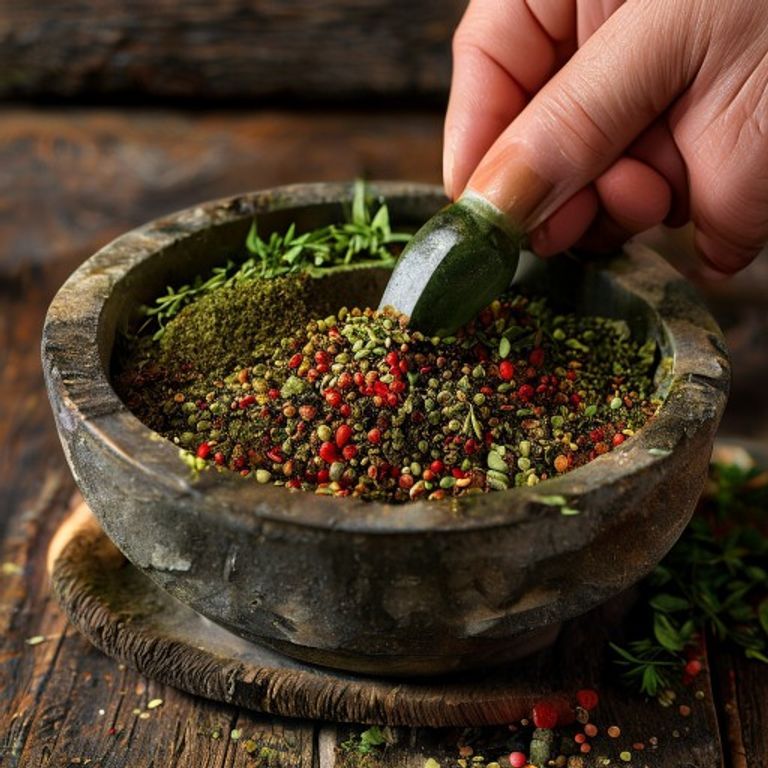
The Essential Guide to Mortar and Pestle Function: From Kitchen to Lab

Introduction
When I first started experimenting with fresh herbs, I reached for a fancy electric grinder. The result? A bland, uneven texture that stole the aroma right out of the spices. That’s when I rediscovered the humble mortar and pestle. This simple tool does more than just crush; it unlocks flavors, preserves essential oils, and even finds a place in scientific labs. In this article, I’ll walk you through the mortar and pestle function, how to use it effectively, and why it often beats modern grinders.
What Is a Mortar and Pestle Used For?
At its core, a mortar and pestle is a bowl (the mortar) and a club‑shaped tool (the pestle). Together they enable:
- Grinding – reducing whole spices to fine powders.
- Crushing – breaking down seeds, nuts, or dried herbs.
- Mashing – turning garlic, ginger, or chilies into a paste.
- Blending – combining multiple ingredients into a homogeneous mixture.
From making pesto to preparing a laboratory sample, the principle stays the same: apply pressure and friction to release flavors or compounds.
How to Use a Mortar and Pestle for Grinding Spices
Here’s my step‑by‑step routine that guarantees consistent results:
- Choose the right material. Ceramic or stone mortars are great for spices; glass works for acidic mixtures.
- Dry the spices. Moisture hampers grinding. Toast whole spices lightly to enhance aroma.
- Start with a gentle crush. Use the pestle’s base to break seeds into smaller pieces.
- Apply a circular motion. Press and twist, letting the pestle’s weight do most of the work.
- Scrape the sides. A small spoon or the pestle edge helps collect the powder.
For precise measurements, especially in baking, pair the mortar with a graduated cylinder measurement technique to ensure the right amount of liquid is added after grinding.
Benefits of Using a Mortar and Pestle in Cooking
Why should you swap a motorized grinder for this age‑old tool? Here are the top perks:
- Flavor retention. The slow, manual process keeps volatile oils intact, giving you a more aromatic result.
- Texture control. You decide whether you want a coarse salt or a fine powder.
- No heat buildup. Electric grinders can warm up, altering the taste of delicate herbs.
- Versatility. From grinding peppercorns to making guacamole, one tool does it all.
Traditional Uses of Mortar and Pestle
Across cultures, the mortar and pestle has been a kitchen staple for centuries. In Indonesian cuisine, we use it to create bumbu—the spice pastes that define dishes like rendang. In Mexican cooking, it’s essential for making authentic salsa fresca. Even ancient pharmacists used it to grind herbs for medicinal tinctures.
In scientific labs, the same principle applies. Researchers often rely on a mortar and pestle to pulverize solid samples before analysis. For accurate weighing of those finely ground powders, understanding analytical balance uncertainty is crucial.
Why Use a Mortar and Pestle Over a Grinder?
If you’re still on the fence, consider these practical comparisons:
| Aspect | Mortar & Pestle | Electric Grinder |
|---|---|---|
| Flavor | Preserves essential oils | Can lose aroma due to heat |
| Control | Fine‑tune texture manually | Often fixed settings |
| Cleaning | Simple rinse | Complex disassembly |
| Durability | Decades of use | Motor wear over time |
In short, the manual method may take a few extra minutes, but the payoff in taste and versatility is worth it.
FAQ
Can I use a mortar and pestle for wet ingredients?
Yes, but choose a non‑porous material like glass or glazed ceramic to prevent staining and odor retention.
How do I clean my mortar and pestle?
Rinse with warm water, scrub gently with a brush, and let it air‑dry. For stubborn residues, a paste of coarse salt and a few drops of oil works wonders.
Is a mortar and pestle suitable for large batches?
For very large quantities, you may need a bigger stone mortar or split the work into several batches to maintain consistency.
Can I use it in a professional kitchen?
Absolutely. Many top chefs keep a set at each station for quick finishing touches.
What size mortar should I buy?
A 4‑inch (10 cm) bowl is perfect for everyday home cooking; larger (6‑8 inch) mortars are ideal for batch prep or lab work.