Spot Plate Secrets: Why This Humble Lab Tool is Crucial for Every Experiment

In the bustling world of chemistry labs, where complex equipment often takes the spotlight, there are always those unsung heroes – simple tools that quietly make our lives easier and our experiments more efficient. One such hero is the spot plate. Perhaps you’ve seen it around, a plain white ceramic dish with a series of small depressions. It might look unassuming, but trust me, this little piece of Spot Plate Definition: What It Is, How It Works, and Why Every Lab Needs One is an absolute must-have for any budding chemist or seasoned researcher. Today, we’re going to dive deep into the world of spot plates, exploring what they are, what they’re used for, and why they’re so indispensable.
What Exactly is a Spot Plate and Why Do We Need It?
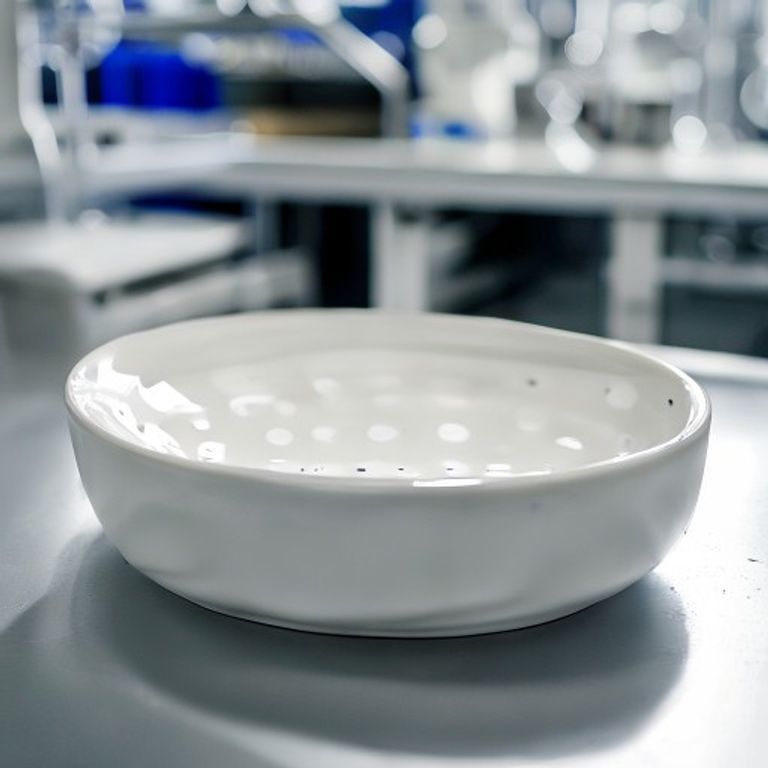
Imagine you’re an artist, and you need to mix tiny dabs of paint to test colors before applying them to your canvas. You wouldn’t use a huge palette for a single drop, right? That’s essentially the role of a spot plate in a chemistry lab. A spot plate, also sometimes called a reaction plate or a well plate, is typically a white ceramic slab with multiple small, shallow indentations or “wells.” These wells are like miniature test tubes, designed to hold small volumes of liquid reagents.
So, what is a spot plate used for in a lab? Its primary function is for performing small-scale chemical reactions, especially for qualitative analysis. This means we use it to observe changes – like color shifts, precipitate formation, or gas evolution – without wasting large amounts of precious chemicals. It’s perfect for preliminary tests, comparing reactions side-by-side, or simply getting a quick visual check before scaling up an experiment. Think of it as your chemistry scratchpad!
The Magic of Microscale: Spot Plates in Action
The true power of the spot plate shines brightest in the realm of microscale chemistry experiments. In traditional labs, we might use test tubes, beakers, or flasks, but these often require larger volumes of reagents, which can be expensive and sometimes even hazardous. With a spot plate, we can conduct multiple reactions simultaneously using just a few drops of each chemical. This approach offers several fantastic benefits:
- Safety: Smaller quantities mean reduced exposure to potentially harmful substances.
- Cost-Effectiveness: Less reagent used equals less money spent.
- Speed: Reactions happen quickly, and cleanup is a breeze.
- Environmental Friendliness: Less chemical waste to dispose of.
One common application is using a ceramic spot plate for chemical reactions involving chemical indicators. For example, when testing the pH of various solutions, we can add a drop of universal indicator to each well containing a different solution. The distinct color change in each well immediately tells us the approximate pH, making it incredibly easy to compare multiple samples at once. This kind of visual qualitative analysis is fundamental in many introductory chemistry courses and even in advanced research.
We also frequently use spot plates for precipitation reactions, where we mix two solutions to see if a solid forms, or for various tests to identify unknown substances. The white background of a ceramic spot plate provides excellent contrast, making even subtle color changes or faint precipitates very easy to observe. This makes it an invaluable tool for precise visual observations.
Beyond Ceramic: Types of Laboratory Spot Plates
While the classic white ceramic spot plate is arguably the most common and versatile, you might encounter a few other types depending on the specific application:
- Ceramic Spot Plates: These are the workhorses. They are chemically inert, resistant to heat (though not designed for direct heating), and their bright white surface offers superb contrast for color changes. They typically come with 6, 9, or 12 wells, but some larger ones can have even more.
- Plastic Spot Plates: Less common for actual reactions due to potential chemical incompatibility and lower temperature resistance, plastic spot plates might be used for simple mixing, sample storage, or educational demonstrations where very mild chemicals are involved. They are often disposable.
- Glass Spot Plates: While rare, some specialized applications might use glass spot plates. They offer excellent chemical resistance and transparency but are more fragile and expensive than ceramic.
For most typical qualitative analysis and microscale reactions in a teaching or research lab, the ceramic version is almost always our go-to choice due to its robustness and visual properties.
Keeping It Clean: Cleaning and Care of Lab Spot Plates
Just like any other piece of lab equipment, proper care of your spot plate ensures its longevity and the accuracy of your future experiments. A dirty spot plate can lead to cross-contamination, skewing your results and wasting your time!
Here’s how we generally approach the cleaning and care of lab spot plates:
- Immediate Rinse: After each use, it’s best to rinse the spot plate thoroughly with distilled water to prevent reagents from drying and staining the wells.
- Scrubbing: For more stubborn residues, use a small brush (like a test tube brush or a dedicated well-cleaning brush) and a mild laboratory detergent. Make sure to get into all the nooks and crannies of each well.
- Rinse Again: Rinse thoroughly with tap water, followed by a final rinse with distilled or deionized water to remove any detergent residue or mineral deposits.
- Drying: Air dry upside down on a drying rack, or gently wipe dry with a lint-free cloth or paper towel. Ensure it’s completely dry before storing to prevent water spots or microbial growth.
- Storage: Store spot plates in a clean, dry cabinet or drawer to protect them from dust and damage.
Remember, avoiding harsh abrasives or strong acids/bases for cleaning is usually a good idea unless specific stains require them, as they can sometimes damage the ceramic surface over time.
Conclusion
The humble spot plate might not be the flashiest piece of equipment in our lab, but its role is undeniably crucial. From facilitating safe and cost-effective microscale chemistry experiments to providing clear visual observations for qualitative analysis, it truly is a versatile tool. We often take it for granted, but once you start appreciating its efficiency and practicality, you’ll see why no lab is complete without a few trusty spot plates at hand. So, the next time you reach for one, give a little nod to this unsung hero of the chemistry bench!
FAQ
Q: Can I heat chemicals directly on a ceramic spot plate?
A: While ceramic is heat-resistant, spot plates are generally not designed for direct heating with a Bunsen burner or hot plate. The small volume of liquid would evaporate too quickly, and the plate could crack from uneven heating. For heating small volumes, test tubes or crucibles are more appropriate.
Q: How many wells does a standard spot plate usually have?
A: Spot plates commonly come with 6, 9, or 12 wells. However, larger versions with 24 or even more wells exist for specific high-throughput screening applications.
Q: Are spot plates reusable?
A: Yes, ceramic spot plates are designed to be reusable. With proper cleaning and care, they can last for many years, making them a sustainable and economical choice for the lab.
Q: Can I use a spot plate for quantitative analysis?
A: Generally, no. Spot plates are primarily for qualitative analysis, focusing on observable changes rather than precise measurements of quantity. The wells are not calibrated for exact volumes, and evaporation can quickly affect concentration. For quantitative analysis, we use equipment like graduated cylinders, burettes, or analytical balances.