


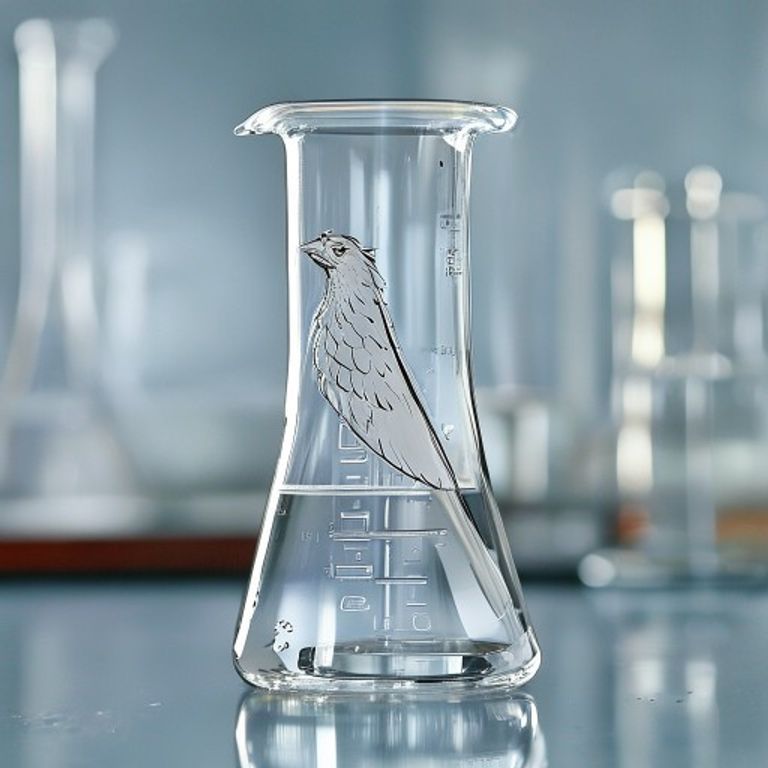
The Humble Hero: Unpacking Every Essential Chemistry Beaker Use You Need to Know

Introduction: More Than Just a Glass Cup in the Lab
When we picture a chemistry lab, our minds often jump to bubbling concoctions, intricate setups, and perhaps a scientist in a white coat. But among all the sophisticated instruments, there’s one piece of equipment that quietly plays a starring role in almost every experiment: the chemistry beaker. It might look like a simple glass cup with a pouring spout, but trust me, its versatility is unmatched.
I remember my first time in a chemistry lab; everything seemed so complex. Yet, the beaker was there, holding solvents, mixing reagents, and generally being the workhorse of the bench. We’re going to dive deep into this everyday lab essential. We’ll explore what is a beaker used for in chemistry, the different types of beakers used in chemistry, and even practical tips on how to use a beaker in chemistry lab effectively. So, let’s pull up a stool and unpack the true potential of this indispensable tool!
What Exactly is a Chemistry Beaker? A Definition Beyond the Obvious
At its core, a beaker is a cylindrical container, typically made of borosilicate glass (think Pyrex or Kimax for heat resistance) or sometimes plastic. It features a flat bottom and a small spout, or “beak,” designed for easy pouring without spillage. You’ll usually find graduations on the side, indicating approximate volumes. However, and this is a crucial point, these markings are just for estimation. If you need precise volume measurements, you should definitely reach for a volumetric flask or a graduated cylinder.
The beaker definition and uses chemistry encompasses a wide range of tasks, but its primary function is to hold, mix, and heat liquids or solutions. It’s the general-purpose container of the lab, ready for almost anything you throw at it (figuratively speaking, of course!).
Types of Beakers: Not All Are Created Equal
While the basic design remains consistent, there are a few common types of beakers used in chemistry, each with slight variations for specific purposes:
- Griffin Beaker (Low Form): This is probably the most common type you’ll encounter. It has a height about 1.4 times its diameter, a spout, and often a scale. Its wide opening makes it ideal for mixing, heating, and transferring liquids.
- Berzelius Beaker (High Form): Taller and narrower than the Griffin beaker, with a height typically twice its diameter. It’s less prone to evaporation and can be useful when you need to store liquids for a short period or when stirring without splashing is critical.
- Heavy-Duty Beakers: These are simply thicker-walled versions of standard beakers, designed for more rigorous heating or mixing applications where extra durability is needed.
- Plastic Beakers: Made from polypropylene or other plastics, these are great for situations where glass might be too fragile, or when working with certain chemicals that could react with glass. They’re also less expensive and less prone to breaking.
Most of the time, we use a glass beaker chemistry lab equipment because of its excellent heat resistance and chemical inertness. But knowing your options is always a plus!
The Many Hats of a Beaker: What It’s Used For
So, what is a beaker used for in chemistry, exactly? Let’s list some of its primary applications:
- Mixing and Stirring: Its wide mouth makes it perfect for stirring solutions with a glass rod or magnetic stir bar. You can easily add reagents without worrying about spillage.
- Heating Liquids: Beakers are commonly used to heat solutions over a Bunsen burner or on a hot plate. Their borosilicate glass construction can withstand significant temperature changes without cracking, provided you heat them gradually and use appropriate safety equipment.
- Holding and Transferring Liquids: Often, a beaker serves as a temporary container for solutions or solvents before they are transferred to another vessel for a reaction or more precise measurement. Its spout makes pouring a breeze.
- Collecting Filtrates: When filtering a solution, a beaker is often placed below the funnel to collect the filtered liquid (filtrate). Speaking of funnels, understanding every laboratory funnel function can significantly streamline your filtration processes, especially when paired with a reliable beaker.
- Preparing Solutions (Roughly): For solutions where exact concentrations aren’t critical, you might dissolve a solid in a solvent directly in a beaker. Remember, for precise concentrations, a volumetric flask is your go-to.
How to Use a Beaker in Chemistry Lab: Practical Tips
Using a beaker effectively is straightforward, but a few tips can make your lab work safer and more efficient:
- Never Use for Precise Measurements: I can’t stress this enough! The graduations on a beaker are approximate. If your experiment requires accuracy, use a graduated cylinder or volumetric flask.
- Handle with Care: Even borosilicate glass can break. Always place beakers on a stable surface and handle them gently, especially when hot.
- Heating Safely: When heating a beaker over a Bunsen burner, use a wire gauze with a ceramic center on a tripod stand to distribute heat evenly. Never heat a completely closed beaker as pressure buildup can cause it to explode. Always use tongs or heat-resistant gloves when handling hot beakers.
- Cleaning: Clean beakers immediately after use to prevent residues from drying and becoming harder to remove. Use appropriate brushes and detergents.
- Don’t Overfill: Leave some headspace when filling a beaker, especially if you plan to stir or heat the contents, to prevent splashing and boiling over.
Conclusion: The Unsung Workhorse of the Laboratory
From simple mixing to rigorous heating, the chemistry beaker is an indispensable piece of laboratory equipment. Its straightforward design belies its incredible versatility, making it a true workhorse in any chemistry setting. While it may not be the flashiest instrument, understanding its definition, types, and proper uses is fundamental for anyone stepping into a chemistry lab. So, next time you’re on the lab bench, take a moment to appreciate this humble hero; we’d be lost without it!
FAQ: Your Beaker Questions Answered
Q1: Can I use a beaker for accurate volume measurements?
Absolutely not! Beakers are designed for approximate measurements only. For accurate volume measurements, you should always use a graduated cylinder, a volumetric flask, or a burette.
Q2: Why do beakers have a spout?
The spout (or beak) is designed for easy pouring of liquids, helping to prevent drips and spills when transferring contents from the beaker to another container.
Q3: What material are most chemistry beakers made of?
Most chemistry beakers are made from borosilicate glass, known for its excellent thermal resistance (ability to withstand heat and rapid temperature changes) and chemical inertness. Some are also made from various plastics for specific applications.
Q4: Is it safe to heat a beaker directly on a flame?
While borosilicate glass can withstand heat, it’s best practice to heat a beaker indirectly over a Bunsen burner using a wire gauze on a tripod stand. This distributes the heat more evenly and reduces the risk of thermal shock and breakage. Always use appropriate safety gear like heat-resistant gloves.







