

The Conical Champion: Unpacking Every Essential Function of Erlenmeyer Flask in Your Lab

Step into any chemistry or biology lab, and you’ll immediately notice a dazzling array of specialized equipment. From tiny test tubes to elaborate distillation apparatus, each piece plays a crucial role. Among these, one piece of what is wire gauze and why every lab needs it often stands out with its distinct conical shape: the Erlenmeyer flask. But have you ever stopped to think about the true function of an Erlenmeyer flask? It might seem simple, but this humble flask is a versatile workhorse, designed with specific features that make it indispensable for a myriad of tasks. Today, we’re going to dive deep into what is an Erlenmeyer flask used for, exploring its core capabilities and practical applications that make it a champion in the scientific world.
What Exactly Is an Erlenmeyer Flask?
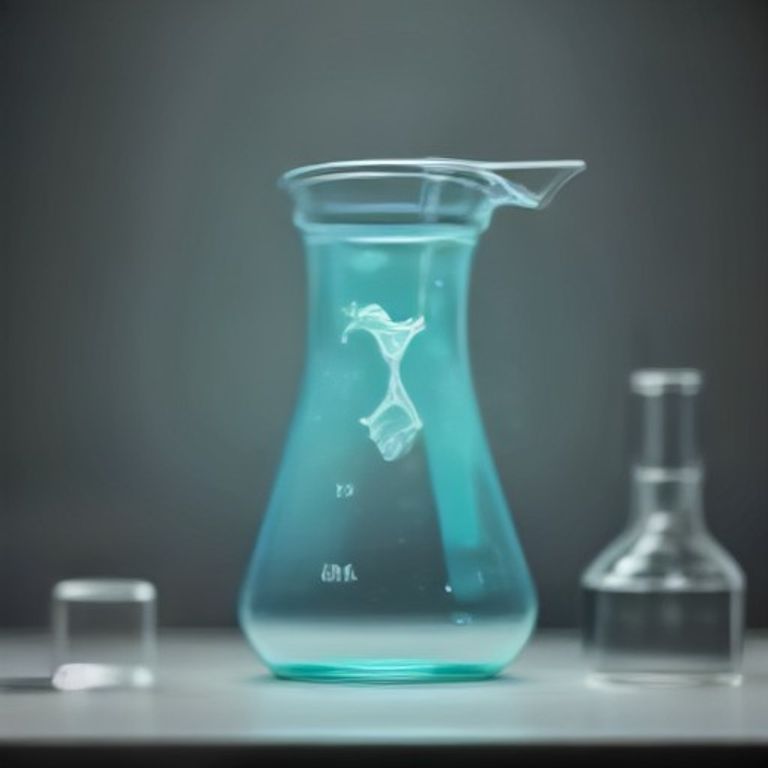
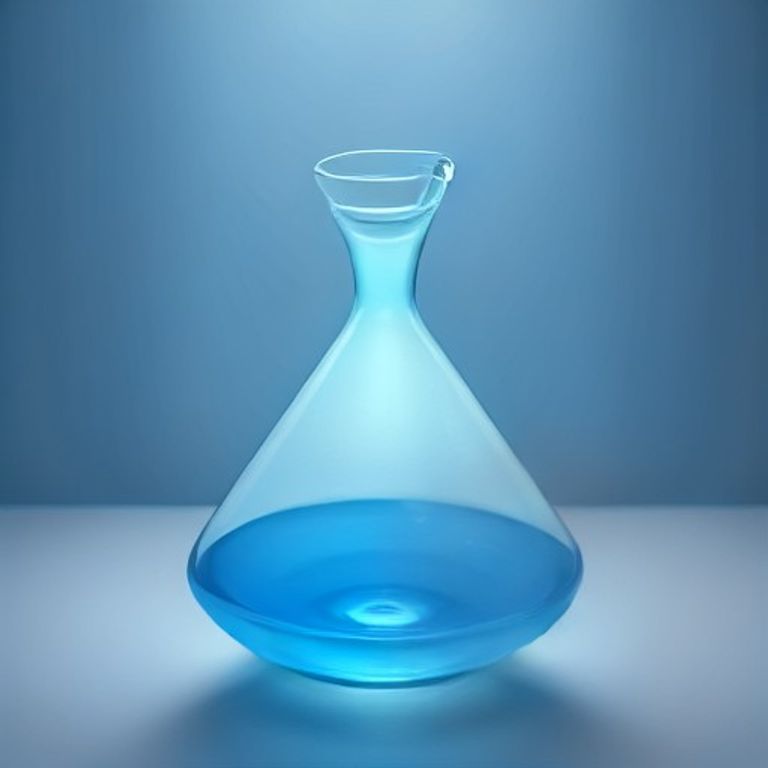
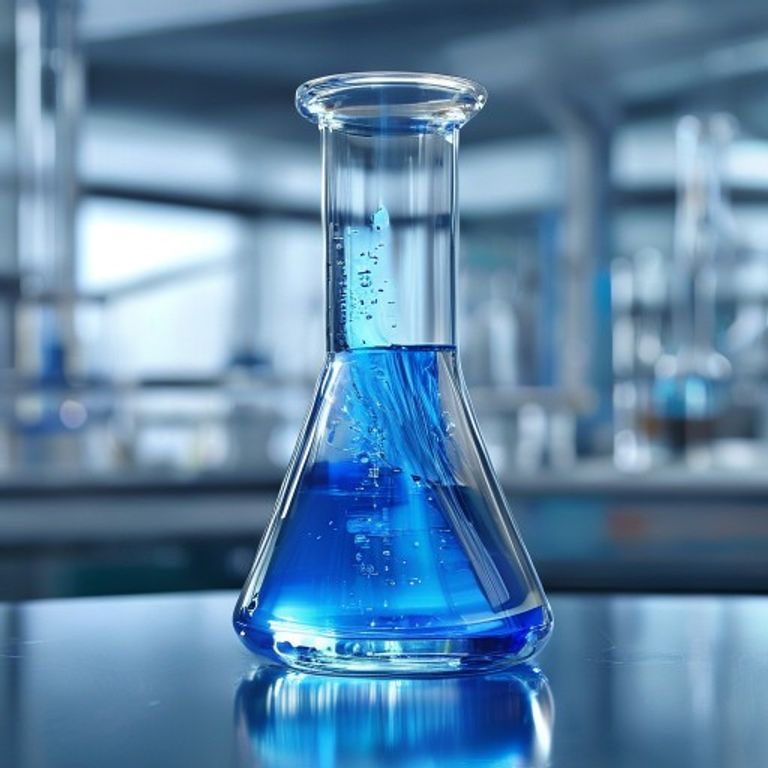
First things first, let’s properly introduce our star. An Erlenmeyer flask, often simply called a conical flask, is a type of laboratory glassware characterized by its flat bottom, conical body, and cylindrical neck. Invented by German chemist Emil Erlenmeyer in 1860, its design is not just for aesthetics; it’s ingeniously crafted for optimal performance. Most Erlenmeyer flasks are made from borosilicate glass, like Pyrex, which makes them highly resistant to thermal shock and chemical corrosion. This means they can handle heating and cooling without cracking, and they won’t react with most chemicals you’d encounter in a lab.
The Core Function: Mixing and Swirling Solutions
At its heart, one of the primary functions of an Erlenmeyer flask is the efficient mixing liquids and swirling of solutions. Think about trying to swirl liquid in a cylindrical beaker – it’s prone to splashing, isn’t it? The Erlenmeyer flask, with its narrow neck and wide base, solves this problem beautifully. The conical body allows for vigorous swirling or agitation without the risk of spilling the contents. It’s like a built-in splash guard! This makes it perfect for dissolving solids, preparing solutions, or simply ensuring uniform distribution of reagents.
Beyond Mixing: Specific Laboratory Uses
While mixing might be its most obvious talent, the Erlenmeyer flask shines in many other specific uses of Erlenmeyer flask in laboratory settings. Let’s explore some of them:
Titration Equipment
Perhaps the most iconic use of an Erlenmeyer flask is in titration. Its narrow neck means you can easily introduce a burette and add titrant drop by drop, while the wide base provides plenty of space to swirl the solution to ensure thorough mixing. The flask’s shape also minimizes evaporation and prevents accidental splashes, which are critical for accurate results in quantitative analyses. For anyone working with titration equipment, the Erlenmeyer flask is an absolute must-have.
Heating Solutions
Yes, you can absolutely use an Erlenmeyer flask for heating! Thanks to its borosilicate glass construction, it can be safely heated over a Bunsen burner or on a hot plate. The narrow neck helps reduce solvent loss through evaporation during heating, which is a common issue when using wider-mouthed containers like beakers. So, if you’re wondering how to use an Erlenmeyer flask for heating, just remember to use appropriate safety measures like a wire gauze and retort stand.
Storing and Culturing
For short-term storage of solutions or even for culturing microorganisms, the Erlenmeyer flask is surprisingly useful. Its narrow mouth can be easily stoppered with a cork, rubber stopper, or cotton plug, which helps maintain sterility or prevent contamination. This makes it a great choice for preparing and temporarily holding sterile media or growing bacterial cultures.
Purpose in Chemical Reactions
Many chemical reactions require careful mixing and controlled heating. The purpose of Erlenmeyer flask in chemical reactions is to provide a stable, heat-resistant vessel that allows for efficient stirring, minimizes loss of reagents, and often provides a surface for reflux or condensation. It’s truly a versatile reaction vessel. We see similar considerations in the functions of other lab tools, like understanding the critical test tube holder function in every lab, which ensures safety during heating reactions.
Why Choose an Erlenmeyer Flask?
So, why pick an Erlenmeyer flask over, say, a beaker? The advantages of Erlenmeyer flask for mixing solutions and other applications are clear:
- **Reduced Evaporation:** The narrow neck significantly cuts down on the surface area exposed to the air, minimizing solvent loss.
- **Less Splashing:** Its conical design is a natural splash guard, making vigorous swirling much safer and cleaner.
- **Easier Handling:** The neck provides a convenient grip, especially when pouring or swirling.
- **Versatility:** From titration to heating and even culturing, its adaptable design serves multiple purposes.
Tips for Using Your Erlenmeyer Flask
To get the most out of your Erlenmeyer flask, here are a few practical tips:
- **Don’t Overfill:** Leave plenty of headspace, especially if you’ll be swirling or heating. A good rule of thumb is to fill no more than two-thirds of its capacity.
- **Clean Thoroughly:** After each use, wash your flask with appropriate detergents and rinse thoroughly to prevent contamination in future experiments.
- **Handle with Care:** While borosilicate glass is robust, it’s still glass. Avoid dropping it or subjecting it to sudden, extreme temperature changes.
- **Use Proper Stopper:** When storing or culturing, ensure the stopper fits snugly to prevent contamination or evaporation.
Understanding the specific function of an Erlenmeyer flask is crucial, much like understanding every laboratory funnel function you need to know for precise liquid transfers.
Conclusion
From its humble beginnings as a simple piece of laboratory glassware, the Erlenmeyer flask has evolved into an indispensable tool for chemists, biologists, and scientists across various disciplines. Its ingenious design, focused on efficient mixing, controlled heating, and practical handling, makes it far more than just a container. It’s a testament to how thoughtful design can profoundly impact scientific work. So, the next time you see that familiar conical shape, you’ll know it’s not just a flask; it’s a champion of versatility, silently enabling countless discoveries and experiments in labs worldwide.
Frequently Asked Questions About Erlenmeyer Flasks
- **Q: What is the main purpose of an Erlenmeyer flask?**
A: Its main purpose is for mixing, swirling, and heating liquids, especially during titrations or when preparing solutions, due to its conical shape and narrow neck that prevents spills and reduces evaporation.
- **Q: Can you heat an Erlenmeyer flask directly?**
A: Yes, Erlenmeyer flasks are typically made from borosilicate glass, which allows them to be heated directly over a Bunsen burner or on a hot plate. However, always ensure even heating and avoid sudden temperature changes.
- **Q: How is an Erlenmeyer flask different from a beaker?**
A: The key difference lies in their shape. Beakers have straight sides and a wide mouth, making them good for pouring and general measurements. Erlenmeyer flasks have a conical body and a narrow neck, which makes them ideal for swirling without spilling, reducing evaporation, and using with stoppers.
- **Q: Why is an Erlenmeyer flask preferred for titration?**
A: The narrow neck of the Erlenmeyer flask allows for easy attachment of a burette and minimizes the risk of splashing titrant out during swirling, ensuring accuracy. The wide base provides stability and allows for clear observation of color changes.
- **Q: What materials are Erlenmeyer flasks typically made from?**
A: Most are made from high-quality borosilicate glass (like Pyrex or Kimax) due to its excellent resistance to thermal shock and chemical attack. Some might be made from plastic for specific, non-heating applications.