Unlocking Lab Precision: Your Essential Guide to Volumetric Flask Uses

Introduction
Ever wondered how scientists and lab technicians achieve such precise results in their experiments? Well, a big part of that magic comes from using the right tools. And when it comes to measuring liquids with incredible accuracy, one piece of laboratory glassware stands out: the volumetric flask. If you’ve ever needed to prepare a solution with an exact concentration, or perform a titration where every drop counts, then you’ve probably encountered this unsung hero of the lab bench. Let’s dive in and explore the fascinating world of accurate liquid measurement in the lab and uncover the many uses of a volumetric flask.
Unlike beakers or Erlenmeyer flasks, which are great for general mixing or holding liquids, volumetric flasks are designed for one thing: extreme precision. Think of it like this: if a measuring cup in your kitchen is good enough for baking a cake, a volumetric flask is like a jeweler’s scale for liquids, perfect for crafting a delicate, intricate dish. We’ll look at what makes them so special, how to use them correctly, and why they’re indispensable in so many scientific fields.
What Makes a Volumetric Flask So Special?
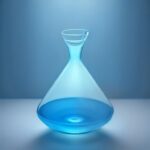
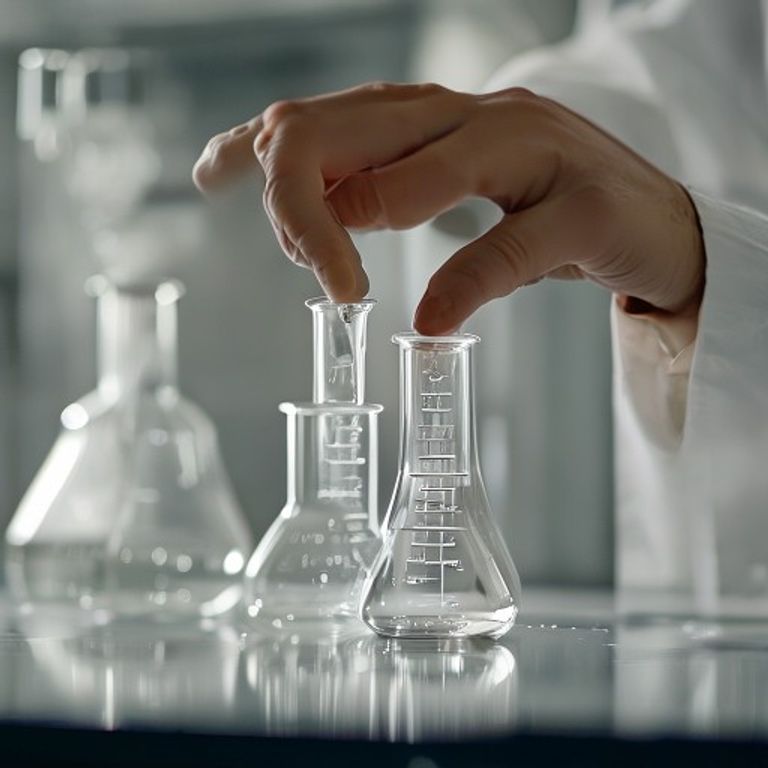
First off, let’s talk about its unique design. A volumetric flask is easily recognizable by its pear-shaped body, a long, narrow neck, and a flat bottom. What truly sets it apart, though, is the single calibration mark etched around its neck, often called the meniscus line. This mark indicates the exact volume it’s designed to contain at a specific temperature (usually 20°C, which is often printed on the flask itself). This precise calibration is crucial for achieving high levels of accuracy, which is exactly what we need for preparing precise dilutions with a volumetric flask or creating a standard solution.
They come in various sizes, from a tiny 1 mL all the way up to several liters, each designed to hold one specific, exact volume. This ‘fixed volume’ nature is what gives them their exceptional accuracy, making them a cornerstone in analytical chemistry.
The Primary Role: Crafting Perfect Standard Solutions
The most common and arguably the most important of all volumetric flask uses is the preparation of standard solutions. What exactly is a standard solution? It’s a solution with a precisely known concentration, which serves as a reference point for many chemical analyses. Imagine you’re baking and need exactly 1 cup of sugar; a standard solution is like that perfect measurement, but for chemicals.
Whether you’re calibrating instruments, performing quantitative analysis, or preparing reagents for other experiments, a standard solution is often your starting point. The volumetric flask ensures that when you dissolve a known mass of a solute and dilute it to the mark, the final concentration is as accurate as possible. This is why you’ll find them in almost every analytical lab, from environmental testing to pharmaceutical research.
Step-by-Step: Preparing a Solution with a Volumetric Flask
So, how do you actually use a volumetric flask for preparing solutions? It’s a straightforward process, but precision is key:
- Weigh the Solute: First, accurately weigh the solid chemical (solute) you want to dissolve using an analytical balance.
- Transfer to Flask: Carefully transfer the weighed solute into the volumetric flask. Sometimes, you might pre-dissolve it in a small amount of solvent in a beaker, then transfer it. Remember to rinse the beaker thoroughly and add the rinsings to the flask to ensure all the solute is transferred.
- Add Solvent (Partially): Add your solvent (often distilled water) to the flask until it’s about two-thirds full. Swirl gently to dissolve the solid completely. Make sure the solid is fully dissolved before proceeding! If you need a less precise vessel for initial dissolving or mixing, you might use a beaker for primary functions.
- Dilute to the Mark: Now, carefully add more solvent until the bottom of the meniscus (the curved surface of the liquid) lines up exactly with the calibration mark on the neck of the flask. For the last few drops, it’s best to use a dropper or a wash bottle to avoid overshooting the mark.
- Cap and Mix: Once you’ve reached the mark, stopper the flask tightly and invert it several times to thoroughly mix the solution. This ensures a homogeneous concentration throughout the entire volume.
Beyond Standard Solutions: Other Key Applications
While creating standard solutions is its bread and butter, the specific applications of volumetric flasks in a lab extend further:
- Precise Dilutions: When you need to dilute a concentrated stock solution to a specific lower concentration, a volumetric flask is your best friend. Combining a volumetric pipette (for the concentrated solution) and a volumetric flask (for the final volume) creates incredibly accurate dilutions.
- Titration Experiments: In titration, the volumetric flask function is often to prepare the titrant or to dilute a sample to a known volume before titration. This ensures that the initial concentrations are precise, which is critical for accurate results.
- Quantitative Analysis: Any experiment requiring a known, exact volume of a liquid, such as preparing samples for spectrophotometry or chromatography, will rely on volumetric flasks.
- Calibration of Other Glassware: Sometimes, volumetric flasks can even be used as a reference to check the accuracy of other measuring glassware due to their high precision.
Why Precision is King: Volumetric Flask vs. Other Glassware
You might be thinking, “Can’t I just use a graduated cylinder or a beaker?” While those pieces of laboratory glassware have their own important roles, they simply cannot match the accuracy of a volumetric flask for fixed volume measurements. Graduated cylinders offer good accuracy for measuring variable volumes, and beakers are excellent for holding, mixing, or heating. However, when the purpose of a volumetric flask is to create a solution with an exact, known volume and concentration, its unique calibration provides an unmatched level of precision. This is crucial for obtaining reliable and reproducible results in analytical chemistry and other demanding applications.
Conclusion
So, what is the purpose of a volumetric flask? It’s simple yet profound: to provide unparalleled accuracy in liquid volume measurement, primarily for preparing precise solutions. From creating the crucial standard solutions that underpin countless experiments to enabling meticulous dilutions and ensuring the reliability of analytical tests, the volumetric flask is an indispensable tool. Understanding its design, proper usage, and specific applications isn’t just about lab technique; it’s about embracing the precision that drives scientific discovery forward. The next time you see one, you’ll know you’re looking at a cornerstone of quantitative analysis.
Frequently Asked Questions (FAQ)
What is the main purpose of a volumetric flask?
The main purpose of a volumetric flask is to accurately prepare solutions of a precise, known concentration, particularly standard solutions, or to make precise dilutions of existing solutions to a specific final volume.
Can I heat a volumetric flask?
No, you should generally avoid heating a volumetric flask. Volumetric flasks are calibrated at a specific temperature (usually 20°C). Heating them can cause the glass to expand, altering the flask’s volume and thus compromising its accuracy. Heat can also cause thermal stress, potentially cracking the flask.
How do I choose the correct size volumetric flask?
You choose the correct size based on the final volume of the solution you need to prepare. If you need 100 mL of solution, you use a 100 mL volumetric flask. Always select a flask that corresponds exactly to the target final volume.
Why is it important to mix the solution thoroughly in a volumetric flask?
Thorough mixing (by inverting the stoppered flask several times) ensures that the solute is evenly distributed throughout the solvent, creating a homogeneous solution with a uniform and accurate concentration. Without proper mixing, the concentration might vary within the flask, leading to inaccurate results in subsequent experiments.