

Beyond the Surface: The Ultimate Guide to Watch Glass Materials, Replacement & Care

Introduction: The Unsung Hero Protecting Your Timepiece
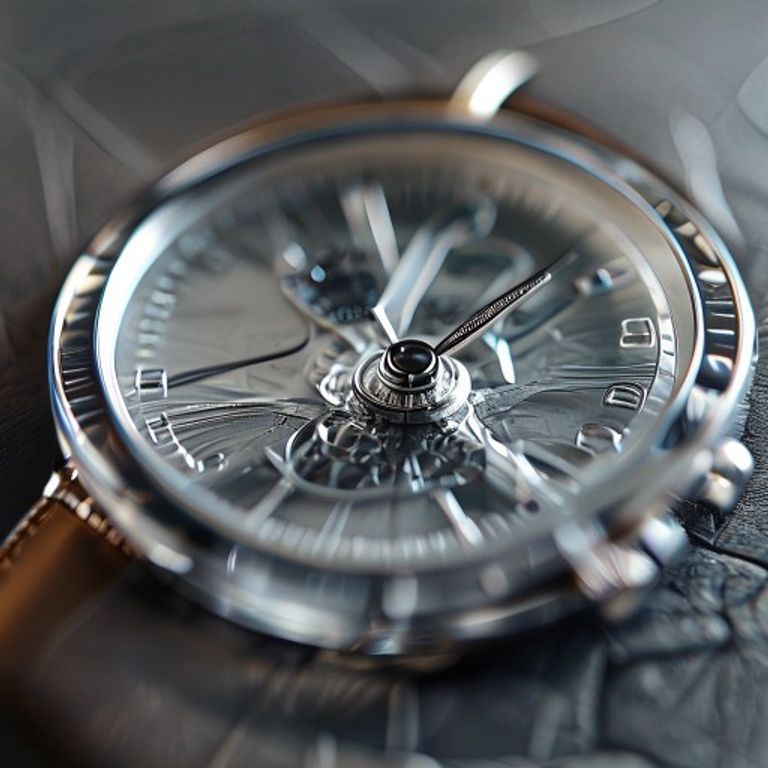
Have you ever really stopped to think about the transparent cover on your watch? We often admire the dial, the hands, or the intricate movement, but the humble “watch glass” – or watch crystal, as it’s often called – is arguably one of the most vital components. It’s like the bodyguard for your watch’s face, protecting its delicate inner workings from dust, moisture, and those inevitable bumps and scrapes of daily life.
As a watch enthusiast, I know firsthand the frustration of a scratched or cracked watch glass. It’s not just an aesthetic issue; it compromises the watch’s integrity. In this comprehensive guide, we’re going to dive deep into everything you need to know about watch glass, from the different types of watch glass material available to understanding how to replace watch glass and even getting a handle on the cost to repair watch glass. Let’s make sure your treasured timepiece stays crystal clear!
Understanding Watch Glass: More Than Just a Window
When we talk about watch glass, we’re essentially referring to the transparent cover that shields the watch dial. But it’s not a “one size fits all” situation. Different materials offer varying levels of durability, clarity, and cost. Knowing these distinctions is crucial, especially if you’re considering a new watch or thinking about replacing a damaged crystal.
The Big Three: Types of Watch Glass Material
Just like cars have different types of tires, watches come with different “windows.” There are three primary types of watch glass you’ll encounter:
Acrylic Glass (Plexiglass)
Think of acrylic glass as the soft plastic shield. It’s technically not glass at all, but a form of plastic. It’s very lightweight and incredibly shatter-resistant, making it a popular choice for sports watches or vintage pieces. If you accidentally bang it, it’s more likely to flex than break. The downside? It’s prone to scratching. However, the good news is that most minor scratches on acrylic can be buffed out fairly easily with a special polishing paste. It’s the most affordable option, often seen on entry-level watches or retro designs.
Mineral Glass
This is probably the most common type of watch glass you’ll find, especially in mid-range watches. Mineral glass is essentially regular glass that has been heat-treated or chemically treated to increase its scratch resistance. Imagine it as a tougher version of your house window. It’s much harder to scratch than acrylic, offers better clarity, and is still relatively affordable. While it’s more scratch-resistant, it can still chip or shatter under significant impact, much like a smartphone screen.
Sapphire Crystal
This is the king of watch glass, often found on high-end luxury watches. Sapphire crystal isn’t natural sapphire; it’s a synthetic material made by crystallizing aluminum oxide at high temperatures. It’s incredibly hard – second only to diamond on the Mohs scale of mineral hardness. This means it’s extremely scratch resistant watch crystal, making it almost impervious to everyday wear and tear. You’d need something like a diamond to scratch it! The trade-off? It’s the most expensive option and, despite its hardness, it can be more brittle than mineral glass, meaning it might be more prone to shattering from a hard, direct impact, though this is rare. Its superior clarity and scratch resistance make it highly desirable.
When is it Time for a Replacement? Signs Your Watch Glass Needs Attention
Even the toughest sapphire crystal isn’t indestructible. Accidents happen. So, how do you know if your watch glass needs a replacement?
- Deep Scratches: While minor surface scratches on acrylic can be polished, deep gouges on any type of glass that obscure the dial or catch your fingernail usually mean it’s time for a professional.
- Cracks or Chips: Any crack, no matter how small, compromises the watch’s water resistance and allows dust and moisture to enter, potentially damaging the movement. This is a critical indicator for replacement.
- Fogging: If you see condensation or fogging under the watch glass, it means moisture has entered. This often suggests a compromised seal, which could be due to a damaged crystal or gasket.
Navigating the Replacement Process: How to Replace Watch Glass
If your watch glass is damaged, you might be wondering, “how to replace watch glass?” While some very basic acrylic replacements can be done by a skilled hobbyist with the right tools, for most watches, especially those with mineral or sapphire crystals, it’s a job best left to the professionals. Replacing a watch glass isn’t just about popping out the old one and putting in a new one; it involves:
- Careful Disassembly: The watch movement often needs to be removed to safely access the crystal.
- Gasket Inspection & Replacement: The gasket (a rubber seal) around the crystal is crucial for water resistance and often needs to be replaced along with the glass.
- Precise Fitting: The new crystal must fit perfectly to maintain the watch’s original water resistance rating.
- Pressure Testing: After replacement, a watchmaker will often perform a pressure test to ensure the watch is water-tight.
Trying to do this yourself without proper tools and experience risks further damage to your watch’s movement, dial, or case.
Where to Buy Watch Glass Replacement & The Cost to Repair Watch Glass
So, where to buy watch glass replacement and what’s the cost to repair watch glass?
- Where to Go: Your best bet is always an authorized service center for your specific watch brand or a reputable independent watchmaker. They’ll have access to genuine parts or high-quality aftermarket equivalents and the specialized tools required.
- Cost Breakdown: The cost can vary significantly based on several factors:
- Watch Brand & Model: Luxury brands will almost always cost more due to proprietary parts and specialized servicing.
- Type of Glass: Acrylic is the cheapest, followed by mineral, and then sapphire crystal is the most expensive.
- Crystal Shape: Flat crystals are generally cheaper than domed, curved, or uniquely shaped crystals.
- Labor: Watchmakers charge for their skilled time.
As a rough estimate, you might expect to pay anywhere from $50 for a basic acrylic replacement on an affordable watch, up to several hundred dollars for a sapphire crystal replacement on a high-end luxury timepiece. Always get a quote before proceeding!
Keeping Your Watch Glass Pristine: Practical Tips
Prevention is always better (and cheaper) than repair! Here are a few tips to keep your watch glass looking its best:
- Be Mindful of Your Surroundings: Avoid banging your watch against hard surfaces. It sounds obvious, but those accidental knocks are the primary cause of damage.
- Store Properly: When not wearing your watch, keep it in a watch box, on a soft cloth, or in a dedicated watch roll to prevent it from rubbing against other items.
- Clean Gently: Use a soft, lint-free cloth, slightly dampened with water or a mild watch cleaner, to wipe down your watch glass regularly.
- Consider Screen Protectors: For some watches, especially smartwatches, specialized screen protectors are available that can add an extra layer of defense.
Frequently Asked Questions (FAQ)
Q1: Can all scratches on watch glass be removed?
A1: Minor scratches on acrylic glass can often be buffed out with polishing compounds. However, deep scratches on mineral or sapphire crystal usually require a full replacement, as these materials are too hard to polish effectively without specialized equipment.
Q2: Is a scratch resistant watch crystal truly scratch-proof?
A2: No material is truly “scratch-proof,” but sapphire crystal is incredibly scratch resistant, scoring 9 out of 10 on the Mohs scale. This means only materials harder than sapphire (like a diamond) can scratch it. Mineral glass is less scratch-resistant, and acrylic is the least.
Q3: How often should I replace my watch glass?
A3: You should only replace your watch glass if it is significantly scratched, chipped, cracked, or if its seal is compromised. There’s no set timeframe for replacement; it depends entirely on wear and tear.
Q4: Can I replace my watch glass myself to save money?
A4: For most watch glasses, especially mineral and sapphire, DIY replacement is not recommended. It requires specialized tools, expertise, and careful handling to avoid damaging the watch’s internal components and to ensure proper water resistance. It’s usually a job best left to a professional watchmaker.
Conclusion: Protecting Your View of Time
Your watch glass is more than just a clear cover; it’s an essential guardian that preserves the beauty and functionality of your timepiece. Whether you opt for the resilient affordability of acrylic, the everyday practicality of mineral glass, or the premium, almost invulnerable clarity of sapphire crystal, understanding its role and care is crucial.
We hope this guide has demystified the world of watch glass for you. Remember, a little knowledge and preventative care can go a long way in ensuring your watch remains a clear window to time, ready for whatever adventures lie ahead. If you do find yourself with a damaged crystal, don’t fret – a professional replacement can bring your beloved watch back to its pristine glory.