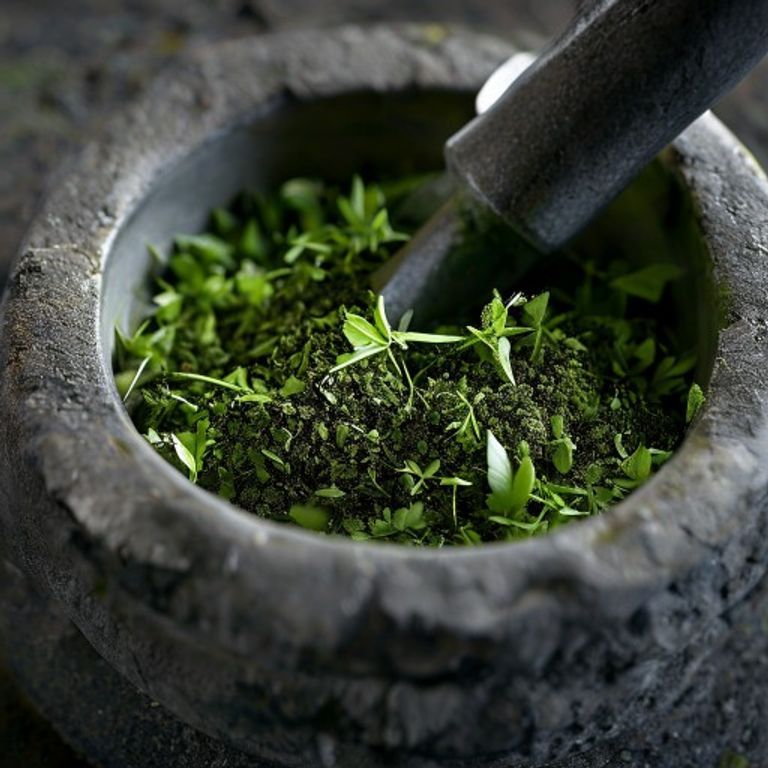
Mortar and Pestle Definition: Simple Explanation, Uses, History & Symbolism

Introduction
When you see a sturdy bowl paired with a short, heavy club in a kitchen or a lab, you’re looking at a mortar and pestle. This ancient tool might look simple, but its role spans cooking, medicine, and even cultural rituals. In this article I’ll break down the definition, everyday uses, origin, and what this duo symbolizes today.
What Exactly Is a Mortar and Pestle?
In plain terms, a mortar is a bowl—usually made of stone, ceramic, or metal—while the pestle is a club‑shaped grinder that you press, twist, or pound inside the bowl. Together they crush, grind, and blend substances into finer textures.
Key Features
- Material: granite, marble, porcelain, stainless steel, or even wood.
- Shape: a deep, wide bowl with a flat or slightly rounded bottom; pestle often has a rounded head.
- Size: ranges from pocket‑size (for herbs) to large laboratory vessels.
Everyday Uses – From Kitchen to Pharmacy
Even though the tool is ancient, it’s still a go‑to for many modern tasks.
Grinding Spices & Crushing Herbs
Chefs love the mortar and pestle for releasing essential oils that a blade can’t capture. Think of grinding peppercorns for a fresh burst of flavor or turning basil into a fragrant pesto.
Pharmaceutical & Medical Applications
In pharmacies, the mortar and pestle is used to compound medications, especially when precise dosing or custom blends are needed. Its ability to create a uniform powder makes it indispensable for compounding creams, ointments, and powders.
Traditional Preparation & Rituals
Many cultures use the mortar and pestle in ceremonies—whether grinding sacred herbs for incense or preparing traditional remedies. The act itself often symbolizes transformation and unity.
Origin of the Mortar and Pestle Meaning
The earliest mortars date back to the Neolithic era, found in archaeological sites across the Middle East and Asia. Originally, they were simple stone hollows used to process grains and pigments. As trade expanded, the design evolved, and the term “mortar” comes from the Latin mortarium, meaning “a receptacle for pounding.” The pestle, from Latin pistillum, simply means “pounder.”
Symbolic Significance
Beyond its practical function, the mortar and pestle often represents:
- Transformation: turning raw ingredients into something new.
- Balance: the bowl holds while the pestle works—an analogy for harmony.
- Heritage: a link to ancestral cooking and healing practices.
Practical Tips for Using a Mortar and Pestle
Whether you’re a home cook or a hobbyist pharmacist, these quick tips can improve your results:
- Pre‑wet the bowl: A few drops of water or oil reduce sticking.
- Use a rocking motion: Instead of just pressing down, rock the pestle back and forth for even grinding.
- Start with larger pieces: Break herbs or spices into smaller chunks before adding them to the mortar.
- Clean promptly: For metal or stone, rinse with warm water and dry thoroughly to avoid rust or stains.
Related Lab Tools You Might Already Know
If you’re curious about other unsung lab heroes, check out the role of the metal spatula in precise sample handling. Like the mortar and pestle, it’s a simple device with a big impact on accuracy.
Conclusion
From grinding peppercorns to compounding medication, the mortar and pestle remains a versatile, low‑tech powerhouse. Its definition is straightforward—a bowl and a club—but its applications, history, and symbolism are anything but simple. Next time you see this duo, remember it’s more than a kitchen gadget; it’s a bridge between past and present, science and tradition.
FAQ
What is a mortar and pestle used for?
It’s used to grind spices, crush herbs, blend pastes, and compound medicines.
Can I use a mortar and pestle for liquids?
Yes, for making pastes or emulsions, but it’s not ideal for large volumes of liquid.
Is a ceramic mortar better than stone?
Ceramic is less porous and easier to clean, while stone (like granite) provides a rough surface that can enhance grinding.
Do modern labs still use mortar and pestle?
Absolutely—especially in pharmaceutical compounding and analytical sample preparation.
What does the mortar and pestle symbolize?
Transformation, balance, and cultural heritage.