Mastering Pipette Uses in Chemistry: Precise Liquid Handling Made Simple

Introduction
When we step into a chemistry lab, the first thing we often notice is a row of sleek, glass or plastic tubes waiting to be filled. Those are pipettes, and they are the unsung heroes behind almost every accurate measurement we make. In this article, I’ll walk you through the primary function of a pipette, how chemists achieve pinpoint accuracy, the different types you’ll encounter, and why mastering pipetting is essential for preparing reliable chemical solutions.
What Is the Primary Function of a Pipette in Chemistry?
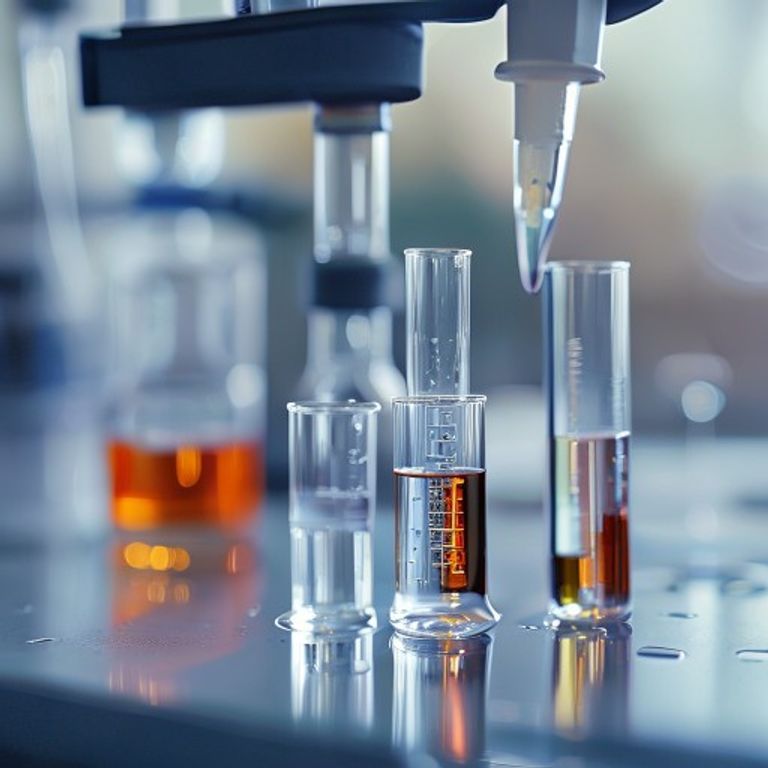
At its core, a pipette is a tool for controlled liquid transfer. Think of it as the laboratory’s version of a precise water gun – it lets you deliver a specific volume of liquid from one container to another without spillage or guesswork. This simple function underpins everything from titration to sample preparation.
How Chemists Use Pipettes for Accurate Liquid Transfer
Accuracy isn’t magic; it’s a habit built on a few practical steps:
- Pre‑wet the tip: Aspirate and dispense the liquid once before the actual measurement. This coats the inner surface of the tip, reducing volume loss.
- Use proper technique: Hold the pipette vertically when drawing liquid, then release it at a 45‑degree angle to avoid air bubbles.
- Calibrate regularly: Even high‑quality pipettes drift over time, so routine calibration keeps the error margin below 0.5%.
When you combine these habits with a good quality pipette, the result is a transfer that rivals the precision of a measuring cylinder in volumetric glassware, but with far less waste and faster workflow.
Different Types of Pipettes and Their Applications
1. Volumetric Pipettes
These single‑volume glass tubes are the gold standard for preparing standard solutions. Because they are calibrated for one specific volume (e.g., 10 mL), they deliver exceptional accuracy – ideal for analytical chemistry where every microliter counts.
2. Graduated (Mohr) Pipettes
Graduated pipettes allow you to measure multiple volumes from the same tip. They are perfect for titration procedures where you might need to deliver 5 mL, 7 mL, and 12 mL in one experiment.
3. Micropipettes (Air‑Displacement)
These are the go‑to tools for handling tiny volumes (0.1 µL to 1000 µL). They feature a digital or mechanical plunger and interchangeable tips, making them indispensable in molecular biology, analytical chemistry, and any work that demands microliter precision.
4. Positive‑Displacement Pipettes
When dealing with viscous or volatile liquids (think glycerol or organic solvents), positive‑displacement pipettes prevent vapor loss and ensure consistent volume delivery.
Why Pipetting Is Crucial for Precise Measurements
Imagine trying to bake a cake with a kitchen spoon instead of a measuring cup – the result would be unpredictable. In chemistry, the stakes are even higher. Inaccurate liquid handling can lead to:
- Erroneous concentration calculations
- Failed titration endpoints
- Irreproducible experimental data
- Wasted reagents and time
By mastering pipetting, we safeguard analytical precision and keep our experiments reproducible – a cornerstone of good scientific practice.
The Role of Pipettes in Preparing Chemical Solutions
Preparing a solution is essentially a two‑step dance: first, you measure the solute, then you bring the mixture to a final volume. Pipettes handle the first step with exactness, while volumetric flasks or beakers (another piece of volumetric glassware) complete the process. For example, to make 0.1 M NaCl, you would:
- Weigh the appropriate amount of NaCl.
- Dissolve it in a small amount of distilled water.
- Use a pipette to transfer the solution into a volumetric flask, then fill to the mark.
During this workflow, you might also need a test tube holder to secure the tube while you aspirate, ensuring safety and stability.
Tips for Improving Your Pipetting Skills
- Practice with water first: It’s cheap and easy to see errors.
- Maintain a consistent rhythm: A smooth, steady plunger motion reduces variation.
- Never reuse tips across different reagents: Cross‑contamination ruins accuracy.
- Store pipettes upright: Prevents oil or solvent leakage into the piston.
Conclusion
In short, pipettes are the precision partners that turn vague liquid volumes into exact numbers. Whether you’re a student learning titration or a seasoned researcher preparing complex buffers, mastering pipette uses in chemistry boosts accuracy, saves reagents, and builds confidence in every experiment. So next time you pick up a pipette, remember: it’s not just a tube – it’s your ticket to reliable, reproducible science.
FAQ
What is the difference between a volumetric pipette and a graduated pipette?
A volumetric pipette is calibrated for a single, fixed volume and offers the highest accuracy, while a graduated pipette has multiple markings for measuring different volumes, offering flexibility at a slightly lower precision.
Can I use a micropipette for viscous liquids?
Micropipettes work best with low‑viscosity liquids. For viscous or volatile substances, a positive‑displacement pipette is recommended to avoid volume errors.
How often should I calibrate my pipettes?
Calibration frequency depends on usage, but a good rule of thumb is to calibrate monthly for high‑precision work or after any impact or repair.
Is it okay to reuse pipette tips?
No. Reusing tips can cause cross‑contamination and affect volume accuracy. Always use a fresh tip for each new reagent.
Why do I need to pre‑wet the pipette tip?
Pre‑wetting conditions the inner surface of the tip with the liquid you’ll be measuring, minimizing surface tension effects that can cause volume loss.