Unlocking the Power of a Science Tripod: Uses, Setup, and Safety in the Lab

Introduction
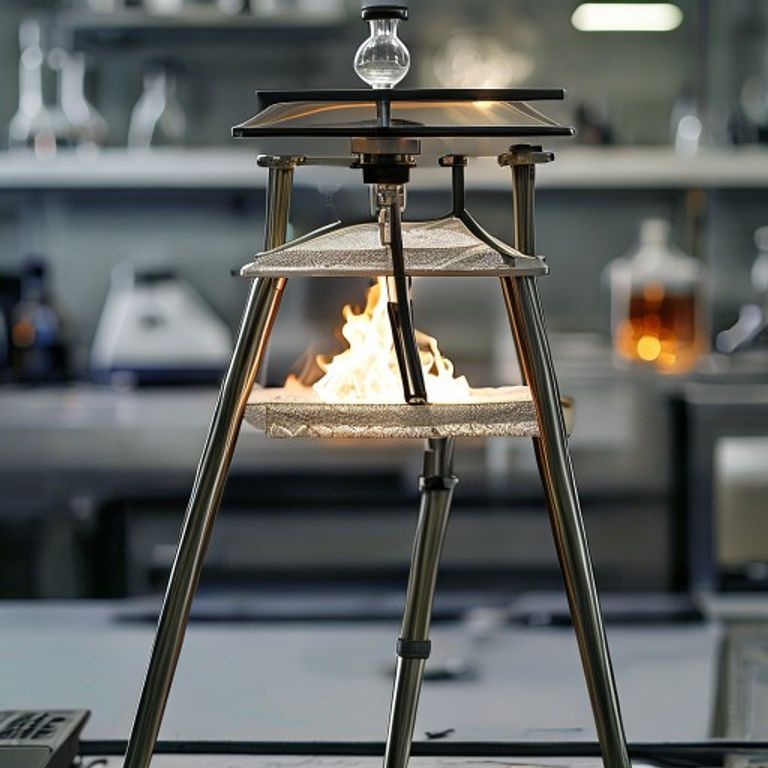
When we step into a chemistry lab, the first thing that catches our eye is often the Bunsen burner’s flame dancing over a sturdy metal stand. That stand is the science tripod, a humble yet indispensable piece of equipment. In this article, I’ll walk you through the many uses of a laboratory tripod, how to set it up correctly, and why it’s a safety hero in every experiment.
What is a Laboratory Tripod Stand Used For?
A laboratory tripod is a three‑legged metal frame that provides a stable platform above a heat source. Its primary job is to hold glassware—like beakers, flasks, or crucibles—while they’re being heated. Think of it as the “table” for your experiment, keeping the container away from direct contact with the burner’s flame.
- Supporting glassware over a Bunsen burner
- Holding a heat‑resistant mat or gauze for even heat distribution
- Providing a base for a tripod stand with a wire gauze
Purpose of a Tripod in Chemistry Experiments
Why do we bother with a tripod instead of placing a beaker directly on the burner? The answer is simple: control and safety. The tripod raises the glassware, allowing heat to rise evenly and reducing the risk of thermal shock. It also gives you room to add reagents without splashing into the flame.
When you’re heating a solution that needs gentle, indirect heat, the tripod paired with a sturdy laboratory tripod becomes your best friend. The three legs distribute weight evenly, so even if the bench is a bit wobbly, your setup stays put.
How to Use a Science Tripod in a Lab
Setting up a tripod might feel like assembling a tiny piece of furniture, but it’s actually straightforward. Follow these steps:
- Position the legs. Spread the three legs wide enough to keep the center of gravity low.
- Place a wire gauze mat. This metal mesh spreads heat evenly and protects the glassware from direct flame.
- Set your glassware. Put the beaker, flask, or crucible on top of the gauze.
- Adjust the Bunsen burner. Light the burner and adjust the flame so it just kisses the bottom of the gauze.
Remember, the flame should never touch the glass directly. If you need higher heat, you can add a ceramic crucible or use a tripod with a larger gauze surface.
Functions of a Lab Tripod and Gauze Mat
The combination of tripod and gauze does more than just hold things:
- Even heat distribution: The mesh spreads the flame’s energy across the whole bottom of the container.
- Thermal insulation: The gauze acts as a buffer, reducing the chance of the glass cracking from sudden temperature changes.
- Versatility: You can place a beaker, a small crucible, or even a petri dish for gentle drying.
Safety Tips and Best Practices
Even though the tripod is designed for safety, we still need to follow a few rules:
- Always check that the legs are firmly locked before lighting the burner.
- Use a heat‑resistant mat underneath the tripod if you’re working on a wooden bench.
- Never leave an open flame unattended.
- Keep the area around the tripod clear of flammable materials.
- When heating volatile liquids, consider using a fume hood and keep the flame low.
If you’re curious about how the flame itself works, the Bunsen burner uses guide explains the science behind the flame and how to adjust it safely.
Conclusion
In the world of scientific experiments, the science tripod may not be the flashiest tool, but it’s certainly one of the most reliable. From providing stable support for glassware to ensuring even heat distribution, its role is essential for accurate results and safe practices. Next time you set up a heating experiment, give a nod to the tripod—it’s quietly doing the heavy lifting behind the scenes.
FAQ
Q: Can I use a tripod without a gauze mat?
A: You can, but the heat will be less even and you increase the risk of the glass breaking. The gauze is recommended for most heating tasks.
Q: How many legs should a tripod have?
A: Standard lab tripods have three legs, which provide a stable base on uneven surfaces.
Q: Is a tripod suitable for high‑temperature work?
A: For very high temperatures, use a ceramic crucible on the tripod or switch to a dedicated furnace. The tripod is best for moderate heating.
Q: What material are lab tripods usually made of?
A: Most are made of stainless steel or chrome‑plated metal, offering corrosion resistance and durability.