

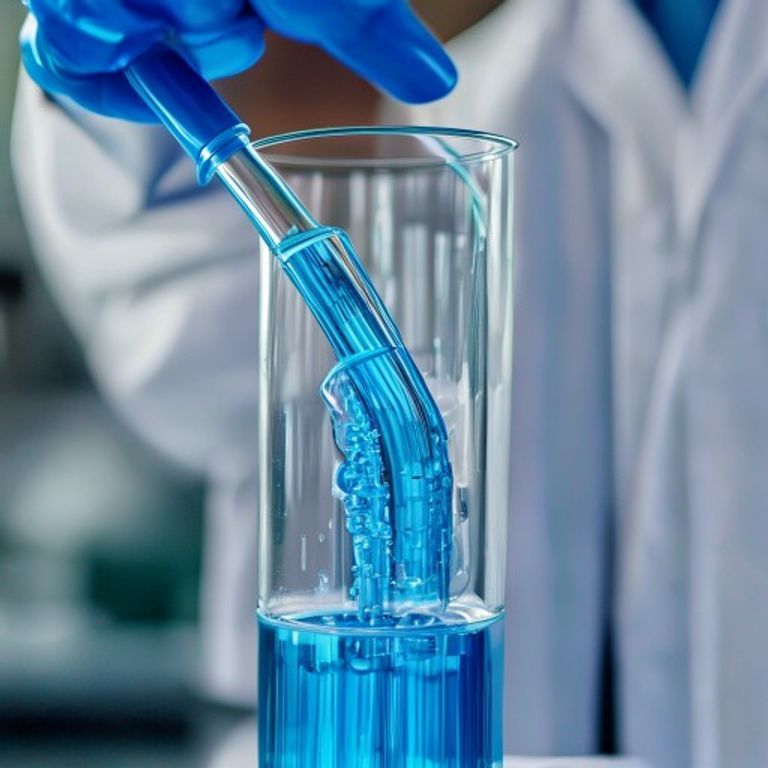
Laboratory Glass Rod: How to Use, Care, and Safety Tips for Effective Mixing

Introduction
When I step into a chemistry lab, one of the first pieces of glassware I reach for is the humble laboratory glass rod. It may look simple, but this slender stirring rod is a workhorse that helps us mix, coat, and even test solutions with precision. In this article I’ll walk you through how to use a glass rod in a chemistry lab, why it’s essential, how to keep it sparkling clean, and the safety habits that keep both you and the glass intact.
How to Use a Glass Rod in the Chemistry Lab
Using a glass rod is almost instinctive, yet a few tricks can make the process smoother:
- Grip the rod near the tip. This gives you better control and prevents the rod from slipping into the beaker.
- Stir in a circular motion. Think of drawing a tiny whirlpool; this promotes even distribution of solutes.
- Use a gentle back‑and‑forth motion when you need to coat the inner walls of a chemical beaker with a thin film of liquid.
For example, when preparing a saturated solution, I first dissolve the solute in a small amount of hot water, then use the rod to slowly stir while adding more solvent. The gradual motion prevents splashing and ensures the temperature stays uniform.
Purpose of a Glass Rod in Chemical Experiments
The glass rod isn’t just for stirring; it serves several key roles:
- Mixing solutions without introducing metal ions that could interfere with reactions.
- Spreading liquids evenly across the surface of a solid, useful in crystallization trials.
- Testing viscosity by feeling the resistance as you move the rod through a liquid.
Because glass is chemically inert, the rod won’t react with acids, bases, or organic solvents, making it a reliable partner for almost any experiment.
Cleaning and Care for Laboratory Glass Rods
Proper maintenance extends the life of your glass rod and prevents cross‑contamination:
- Rinse immediately after use. Hold the rod under running tap water to wash away residues.
- Use a mild detergent. For stubborn stains, soak the rod in warm soapy water, then scrub gently with a soft brush.
- Dry with a lint‑free cloth. Avoid air‑drying in dusty environments.
- Inspect for cracks. Even a tiny fissure can cause the rod to break under heat.
If you need a deeper clean, a quick dip in a diluted hydrochloric acid solution followed by thorough rinsing works wonders—just remember to wear gloves and goggles.
Applications of Glass Stirring Rod in Science
Beyond basic mixing, glass rods find niche applications:
- Coating glass slides with a thin layer of reagent for microscopy.
- Transferring small amounts of liquid by capillary action—dip the tip, then draw liquid up the rod.
- Facilitating crystallization. By gently swirling the solution, you can encourage uniform crystal growth.
If you’re working with an Erlenmeyer flask, the glass rod is perfect for swirling the contents without creating turbulence that might cause spillage.
Safety Guidelines for Handling Glass Rods
Even though glass rods are sturdy, they can break if mishandled. Follow these safety tips:
- Never use a cracked rod. Replace it immediately.
- Handle with dry hands. Moisture can make the glass slippery.
- Avoid rapid temperature changes. Don’t plunge a hot rod into cold water; it may shatter.
- Wear appropriate PPE. Safety goggles, lab coat, and gloves protect you from accidental shards.
- Store upright in a rod rack. This prevents accidental knocks.
Conclusion
The laboratory glass rod may be one of the simplest pieces of equipment, but its versatility makes it indispensable. By mastering how to use a glass rod in chemistry lab techniques, keeping it clean, and respecting safety rules, you’ll enhance the reliability of your experiments and prolong the life of your glassware. Next time you reach for a stirring rod, remember that a little attention to technique and care goes a long way.
FAQ
Q: Can I use a glass rod to stir viscous liquids like glycerol?
A: Yes, but use a slow, steady motion and apply gentle pressure to avoid breaking the rod.
Q: How often should I replace my glass rod?
A: Replace it as soon as you notice chips, cracks, or persistent stains that won’t come off.
Q: Is it safe to sterilize a glass rod in an autoclave?
A: Absolutely. Glass tolerates high temperatures, but ensure the rod is clean first to avoid residue buildup.
Q: Can I use a glass rod for measuring volumes?
A: Not directly, but you can use the rod to level off liquids in a graduated cylinder for more accurate readings.
Q: What’s the difference between a glass rod and a magnetic stir bar?
A: A glass rod is manually operated and ideal for small volumes, while a magnetic stir bar works automatically for larger batches.