Unlock Your Photography Potential: Diverse Tripod Uses Beyond Stability

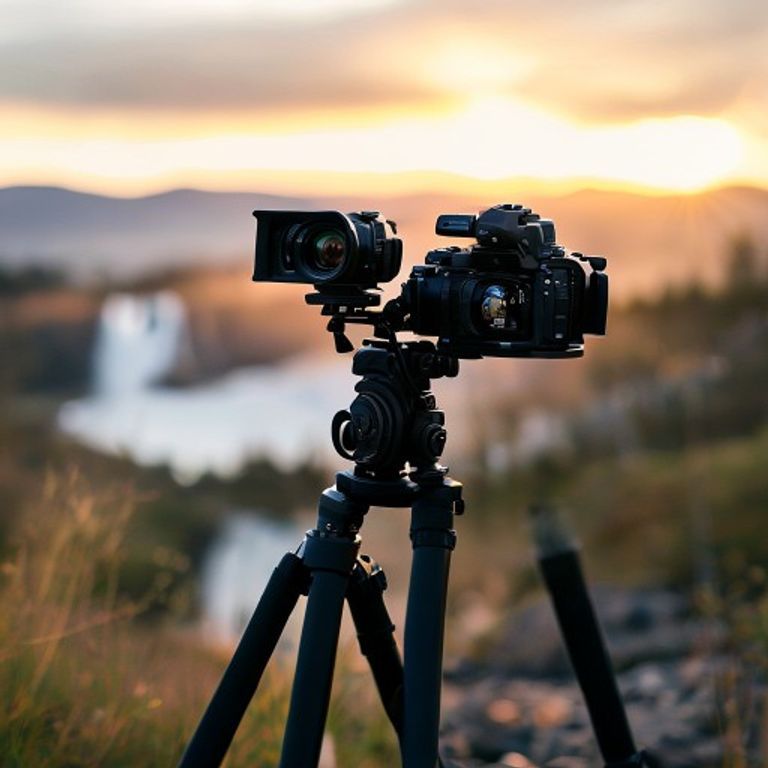
As photographers, whether we’re just starting out or have years of experience, we often look for tools that can elevate our craft. Among the most fundamental pieces of photography equipment, the tripod often gets overlooked, sometimes even dismissed as just a heavy, bulky accessory for keeping a camera still. But trust me, its uses extend far beyond simple camera stability. In fact, understanding the diverse tripod uses can truly unlock new creative possibilities and significantly improve the quality of your images and videos.
I remember when I first started, I thought a tripod was only for extreme low-light situations. Boy, was I wrong! It’s a versatile tool that can transform how we approach different photography techniques. Let’s dive into what are the different uses for a tripod stand and how this simple three-legged friend can become your most valuable asset.
The Foundation: Essential Stability for Sharper Images
Let’s start with the obvious, yet incredibly crucial, benefit: stability. One of the primary benefits of using a tripod for photography is eliminating camera shake. Even the steadiest hands can introduce micro-movements, especially when using longer shutter speed control or heavy lenses. A tripod provides a rock-solid platform, ensuring every pixel is sharp and detailed.
- Low Light Photography: When light is scarce, we need to slow down our shutter speed. Without a tripod, this almost guarantees blurry photos. With one, you can capture stunning nightscapes, indoor shots, or dimly lit portraits with pristine clarity.
- Maximum Sharpness: Even in bright conditions, a tripod can help us achieve the absolute sharpest image possible. This is particularly important for landscapes, architectural shots, or product photography where every detail counts.
Creative Control: Mastering Long Exposure Photography
This is where things get really fun! If you’ve ever wondered how to use a tripod for long exposure photography, it’s quite simple: it’s absolutely essential. Long exposure photography involves keeping the camera’s shutter open for an extended period, sometimes seconds, minutes, or even hours. This technique allows us to capture movement in a still image, creating ethereal effects.
- Silky Smooth Water: Imagine waterfalls that look like flowing silk or oceans with a dreamy, misty surface. A tripod makes this possible by holding your camera perfectly still while the water blurs beautifully.
- Light Trails: Capturing the streaks of car headlights or taillights against a dark city backdrop is a classic long exposure trick. Your tripod is the hero here, keeping the background sharp while the lights paint trails.
- Star Trails and Astrophotography: For those breathtaking shots of stars streaking across the night sky, or even capturing faint nebulae, a tripod is non-negotiable. It allows the camera to gather light over extended periods without any unwanted movement.
Beyond Stills: Tripod Uses for Vlogging and Video Recording
In today’s content creation landscape, video is king. And just like still photography, tripod uses for vlogging and video recording are incredibly valuable. A stable camera makes your videos look more professional and much easier for your audience to watch.
- Smooth, Static Shots: For interviews, product demonstrations, or talking-head vlogs, a tripod ensures your camera stays perfectly still, preventing distracting jitters.
- Controlled Panning and Tilting: Many tripods come with fluid heads that allow for incredibly smooth, cinematic camera movements. This elevates the production value of any video project, whether it’s a travel vlog or a short film.
- Time-Lapses: Creating stunning time-lapses of sunsets, city life, or even growing plants requires your camera to remain in the exact same position for hours. A tripod is the only way to achieve this precision.
Precision & Composition: Fine-Tuning Your Shots
Sometimes, we need absolute precision to get the perfect shot. This is another area where what are the different uses for a tripod stand truly shines. It frees our hands, allowing us to focus on intricate details and perfect our composition.
- Macro Photography: When shooting tiny subjects up close, even a millimeter of movement can throw off your focus. A tripod allows for minute adjustments and focus stacking techniques, leading to incredibly sharp close-ups.
- Product Photography: For consistent angles, lighting, and focus across multiple shots of the same product, a tripod is indispensable.
- Architectural Photography: Ensuring perfectly straight lines and level horizons is crucial for architectural shots. A tripod with a built-in level makes this task much easier.
- Panoramic Shots: For stitching multiple photos together into a wide panorama, a tripod helps maintain a consistent pivot point, resulting in seamless merges.
Self-Portraits & Group Shots: Getting Everyone in the Frame
Ever struggled to get everyone, including yourself, into a group photo? Or wanted a high-quality self-portrait without an outstretched arm? This is one of the more practical creative ways to use a camera tripod.
By placing your camera on a tripod and using a remote trigger or your camera’s self-timer, you can easily step into the frame and become part of the memory. It’s also fantastic for creating unique self-portraits where you can carefully pose and capture yourself in action without a helper.
Creative Angles & Perspectives: Breaking the Norm
Don’t limit your tripod to eye-level shots. Many tripods can extend quite high or allow their center column to be inverted for extremely low angles. This versatility encourages us to explore creative ways to use a camera tripod and break away from conventional perspectives.
- Unique Heights: Capture a bird’s-eye view of a scene or an ant’s-eye perspective without bending or stretching uncomfortably.
- Stable Time-Lapses: As mentioned, time-lapses demand absolute stillness over time, allowing us to compress hours into seconds and reveal subtle changes in a scene.
Conclusion
So, there you have it. The humble tripod is far more than just a glorified camera stand. From providing essential camera stability for tack-sharp images and enabling breathtaking long exposure photography, to enhancing your video recording equipment and opening doors to countless photography techniques, its utility is vast. I encourage you to dust off your tripod, or consider investing in one, and start exploring all the amazing tripod uses we’ve discussed today. You might be surprised at how much it transforms your photographic journey!
Frequently Asked Questions (FAQ)
What are the main benefits of using a tripod?
The main benefits include increased camera stability to eliminate blur, enabling long exposure photography, improving video recording quality, aiding precise composition, and allowing for self-portraits and group shots where the photographer can be included.
Can I use a tripod for my phone?
Absolutely! Many tripods come with smartphone mounts, or you can purchase one separately. Using a tripod with your phone can dramatically improve the quality of your mobile photos and videos, especially in low light or for time-lapses.
How do I choose the right tripod?
Consider your camera gear’s weight capacity, your primary use (e.g., travel, studio, video), portability needs, and budget. Look for sturdy materials like aluminum or carbon fiber, a stable head (ball head for stills, fluid head for video), and features like quick-release plates and height adjustability.