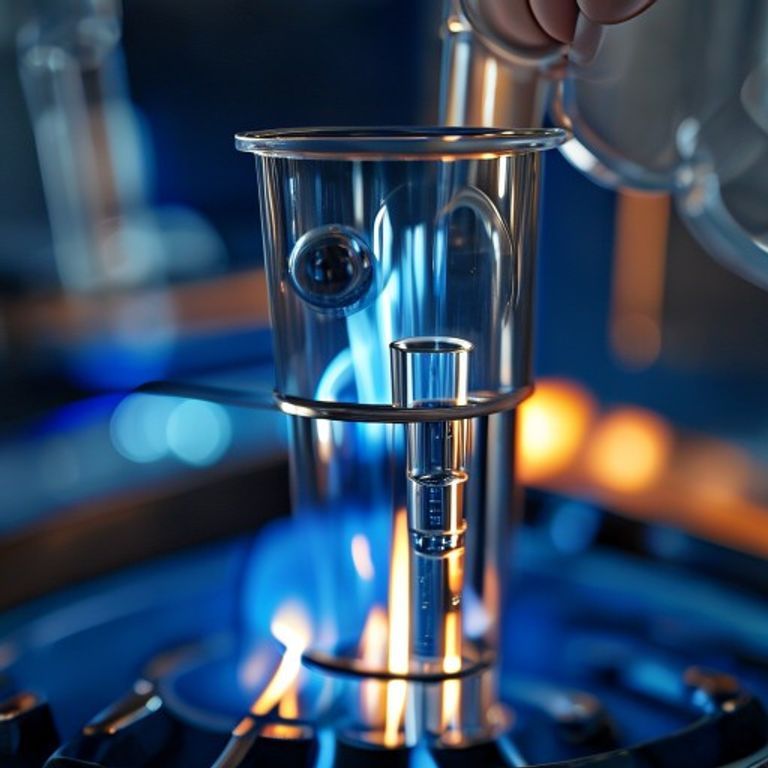
Test Tube Holder Definition: Simple Explanation, Uses & Safety Tips for Every Lab

Introduction
Ever wondered why we always see a little metal clamp holding a test tube over a Bunsen burner? That humble tool is the test tube holder, and it’s more than just a piece of metal. In this article, I’ll walk you through what a test tube holder is, how it works, and why it’s a must‑have for anyone handling glassware in the lab. We’ll keep the language simple—think of it as a friendly guide rather than a textbook.
What Is a Test Tube Holder?
A test tube holder is a laboratory instrument designed to grip a test tube securely while you heat, mix, or transport it. Typically made of metal (often stainless steel) or heat‑resistant plastic, it features two short arms that open like a tiny pair of tongs. The arms clamp around the tube, keeping your hands safely away from hot glass.
How Does It Work? (Definition and Function)
The function is straightforward:
- Grip: The arms close around the tube, providing a firm hold.
- Support: The holder positions the tube over a heat source or allows you to move it without touching the glass.
- Safety: By keeping your fingers away from heat, it reduces the risk of burns or glass breakage.
Think of it like a miniature crane for your test tube—just enough strength to lift, but gentle enough not to crush the glass.
What Is a Test Tube Holder Used For?
In everyday lab work, you’ll use a test tube holder for:
- Heating liquids in a test tube over a Bunsen burner or hot plate.
- Mixing or swirling samples without spilling.
- Transferring a hot test tube from one station to another.
- Holding the tube steady while you add reagents with a pipette or dropper.
In short, any time you need to keep your hands away from a test tube, the holder steps in.
Common Types of Test Tube Holders
There are a few variations, each suited to different tasks:
- Standard metal holder: Classic design, ideal for most heating applications.
- Adjustable holder: Features a sliding joint for larger tubes or test tubes with flasks attached.
- Plastic or silicone holder: Useful when you need an insulating grip for very high temperatures.
Safety Tips When Using a Test Tube Holder
Even though the holder protects you, good habits are essential:
- Always check that the arms are clean and free of cracks before use.
- Make sure the holder is positioned so the tube is stable and won’t tip over.
- Never grip a tube that’s already cracked—heat can make it explode.
- Keep the holder’s metal parts away from direct flame to avoid overheating the tool itself.
Following these simple steps can turn a routine heating step into a safe, stress‑free operation.
Why It Matters in the Lab
Beyond safety, a test tube holder improves precision. When you’re heating a reaction, a steady tube means even temperature distribution and less chance of spillage. This is why many chemistry textbooks list the holder as part of the essential laboratory equipment checklist.
For a deeper dive into how test tubes themselves function in experiments, check out our test tube function guide. Understanding the tube and its holder together gives you a full picture of safe and effective lab work.
FAQ
Q: Can I use a test tube holder for glassware other than test tubes?
A: It’s best reserved for test tubes. Larger flasks require clamps or stands designed for their size.
Q: What material is best for a holder if I work with very high temperatures?
A: Stainless steel holders are the most heat‑resistant, but a silicone‑coated grip can add an extra layer of insulation.
Q: Do I need a holder if I’m only swirling a room‑temperature sample?
A: Not necessarily, but using one can still protect your fingers from accidental splashes.
Q: How do I clean a metal test tube holder?
A: Wipe it with a damp cloth after each use. For stubborn residues, a mild detergent and warm water will do the trick—just dry it thoroughly before storing.
Q: Is a test tube holder considered a “holding clamp”?
A: Yes, in lab terminology it falls under the broader category of holding clamps, which are tools designed to secure glassware.
Conclusion
In the world of chemistry apparatus, the test tube holder may seem simple, but its impact on safety and efficiency is huge. Whether you’re a student just starting out or a seasoned researcher, keeping a reliable holder on hand ensures that heating, mixing, and moving test tubes is both safe and precise. So next time you see that little clamp, remember it’s the unsung hero keeping your hands out of trouble.