

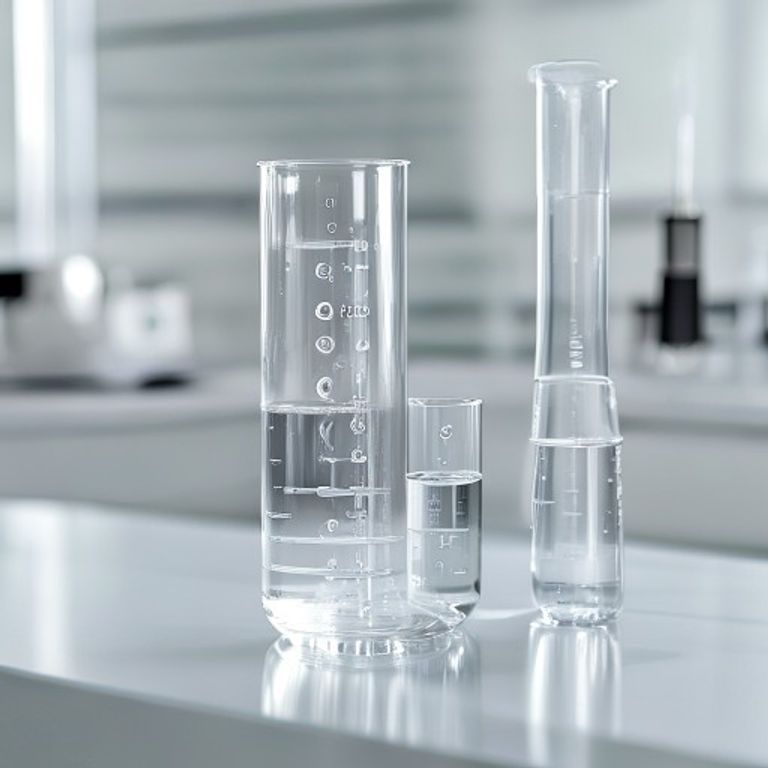
Guide ultime d'utilisation d'un cylindre gradué : lecture, utilisation et conseils de sécurité

Présentation
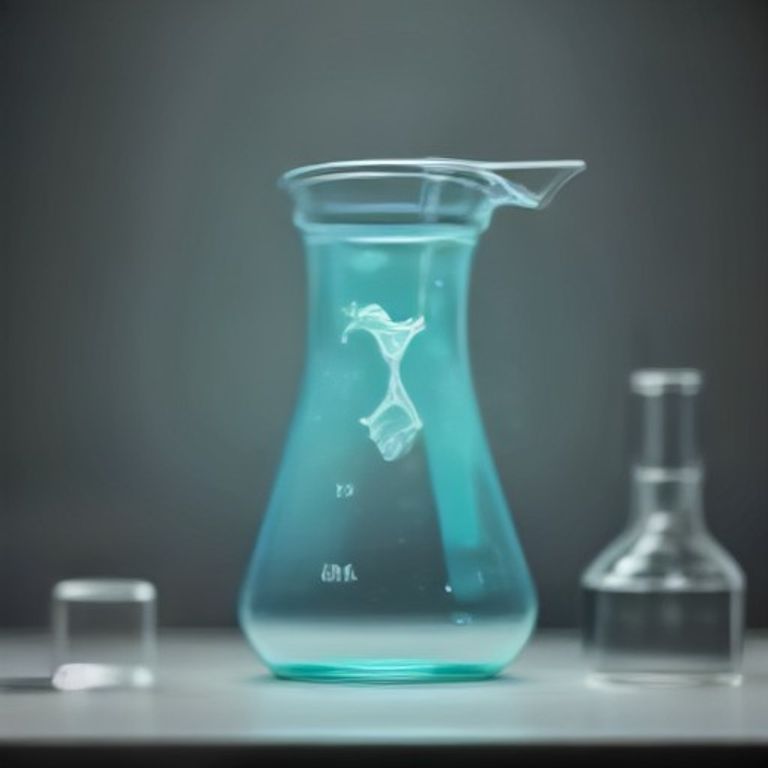
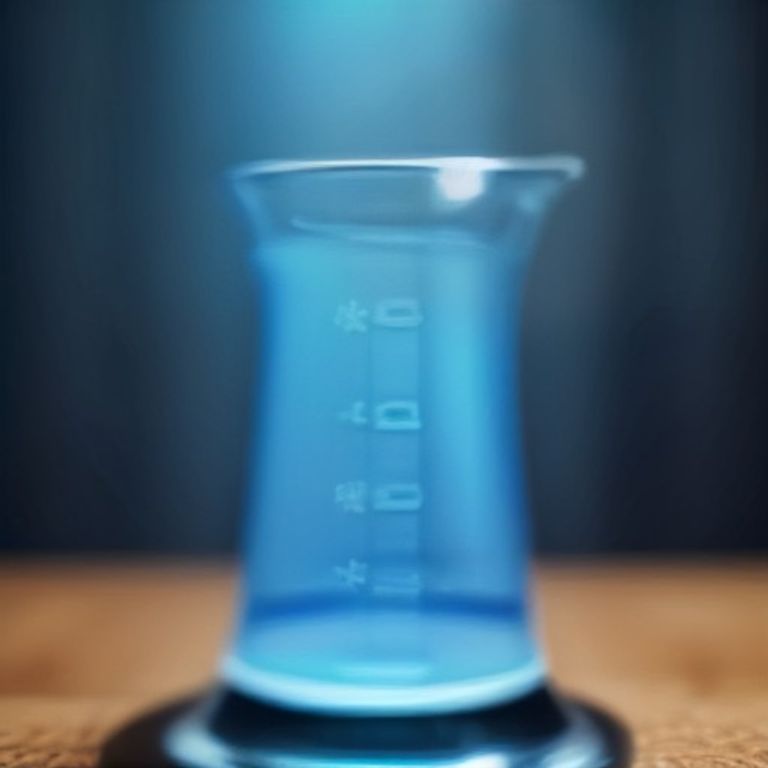
Lorsque nous entrons dans un laboratoire de chimie, la première pièce de verre qui attire souvent notre attention est la cylindre gradué. Cela peut sembler simple—un grand tube étroit avec des marques—Mais c'est une centrale pour une mesure précise du liquide. Dans cet article, je vais vous expliquer comment lire un cylindre gradué, explorer ses utilisations communes et précautions, le comparer avec un bécher, et même donner des conseils sur l'achat d'un cylindre gradué en plastique de 100 ml.
Comment lire un cylindre diplômé
Lire correctement le volume est crucial pour la précision. Voici un pas par pas :
- Placez le cylindre sur une surface plane. Toute inclinaison déforme le ménisque.
- Le niveau des yeux est la clé. Positionnez vos yeux directement en ligne avec le ménisque liquide pour éviter l'erreur parallaxe.
- Identifier le ménisque. La plupart des liquides forment un ménisque concave; lisez le bas de la courbe.
- Lisez le marquage le plus proche. Si le liquide tombe entre deux lignes, estimer la fraction (par exemple, 23,4 ml).
Pensez au ménisque comme la "ligne horizontale" dans une peinture de paysage—Le faire droit rend l'image exacte.
Usages courants et précautions
Les cylindres gradués sont l'outil d'entrée pour :
- Préparation de solutions standard.
- Réactifs de mesure des titrations.
- Transfert de volumes précis entre conteneurs.
Mais avec une grande précision vient la responsabilité. Suivez ces précautions:
- Ne jamais utiliser un cylindre fissuré. Les fissures peuvent causer des fuites et des lectures inexactes.
- Rincer avant et après utilisation. Les produits chimiques résiduels influent sur les mesures subséquentes.
- Éviter les chocs de température. Des modifications soudaines peuvent provoquer une rupture du verre.
Pour une plongée plus profonde dans le nettoyage et l'étalonnage, consultez notre article sur fonction du cylindre gradué.
Pourquoi un cylindre diplômé est-il utilisé dans un laboratoire?
En pratique, un cylindre gradué fait le pont entre les estimations du volume brut (comme celles d'un bécher) et la haute précision d'une pipette. Il est particulièrement pratique lorsque vous avez besoin:
- Des mesures rapides et répétables de 10 ml à 1 L.
- Vérification des volumes préparés avec d'autres équipements.
Parce qu'il est transparent, vous pouvez également inspecter visuellement le liquide pour des changements de couleur ou des précipités—quelque chose qu'une pipette fermée peut montrer.
Différence entre un bécher et un cylindre diplômé
Les deux sont des produits de base, mais ils servent à des fins différentes :
| Fonctionnalité | Bécher | Cylindre gradué |
|---|---|---|
| Précision | ±5 % | ±1 % ou plus |
| Forme | Grande bouche, courte | Grande, étroite |
| Utilisation typique | Mélange, chauffage | Mesure précise du volume |
En bref, atteindre un bécher lorsque vous avez besoin d'espace pour remuer; atteindre un cylindre gradué lorsque le volume exact compte.
Acheter un cylindre gradué en plastique (100 ml)
Les bouteilles en plastique sont plus légères et moins cassantes que le verre, ce qui les rend idéales pour les laboratoires éducatifs ou les travaux sur le terrain. Voici quoi chercher:
- Matérielle Le polypropylène (PP) offre une résistance chimique à la plupart des acides et des bases.
- Marquages: Encre claire et non factice; envisager les cylindres à échelle métrique et impériale.
- Étalonnage: Vérifier que le fabricant fournit un certificat d'étalonnage.
Rappelez-vous, le plastique n'est pas aussi résistant à la chaleur que le verre, alors évitez de l'utiliser sur les plaques chaudes.
Outils de laboratoire connexes dont vous pourriez avoir besoin
Si vous manipulez déjà des liquides, vous allez probablement utiliser une pipette bientôt. Maîtriser son fonctionnement peut améliorer encore votre précision. Notre guide sur utilisation de remplissage de pipette vous fait découvrir les meilleures pratiques.
Conclusion
Maîtriser le cylindre gradué est une petite étape qui donne de grandes récompenses dans n'importe quel laboratoire. En lisant correctement le ménisque, en respectant les précautions de sécurité et en choisissant le bon matériau, vous apprécierez des mesures fiables à chaque fois. Que vous soyez étudiant, amateur ou chercheur chevronné, le cylindre gradué reste un allié indispensable.
FAQ
Q: Puis-je utiliser un cylindre gradué pour les liquides volatils?
R: Oui, mais travailler rapidement et garder le cylindre couvert pour minimiser l'évaporation.
Q: Combien de fois dois-je calibrer mon cylindre gradué?
R: Au moins une fois par an, ou chaque fois que vous remarquez une divergence lors des contrôles de routine.
Q: Est-il acceptable d'utiliser un cylindre en verre pour des solutions acides?
R: Généralement oui, mais éviter l'acide fluorhydrique fort, qui attaque le verre.
Q: Quelle est la meilleure façon de nettoyer un cylindre en plastique?
R: Rincer avec de l'eau distillée, puis utiliser un détergent doux si nécessaire. Évitez les solvants dures qui peuvent dégrader le plastique.
Q: Puis-je mesurer les solides avec un cylindre gradué?
R: Seulement si le solide se dissout complètement; sinon, utilisez un équilibre.