

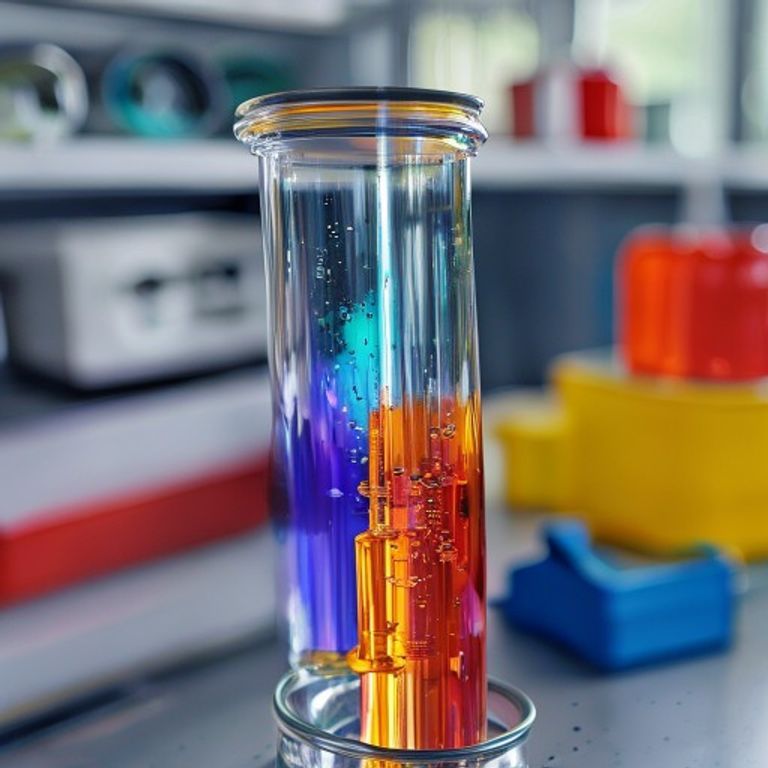
Le Guide essentiel pour tester la fonction du tube: Utilisations, Sécurité et Conseils pratiques

Présentation
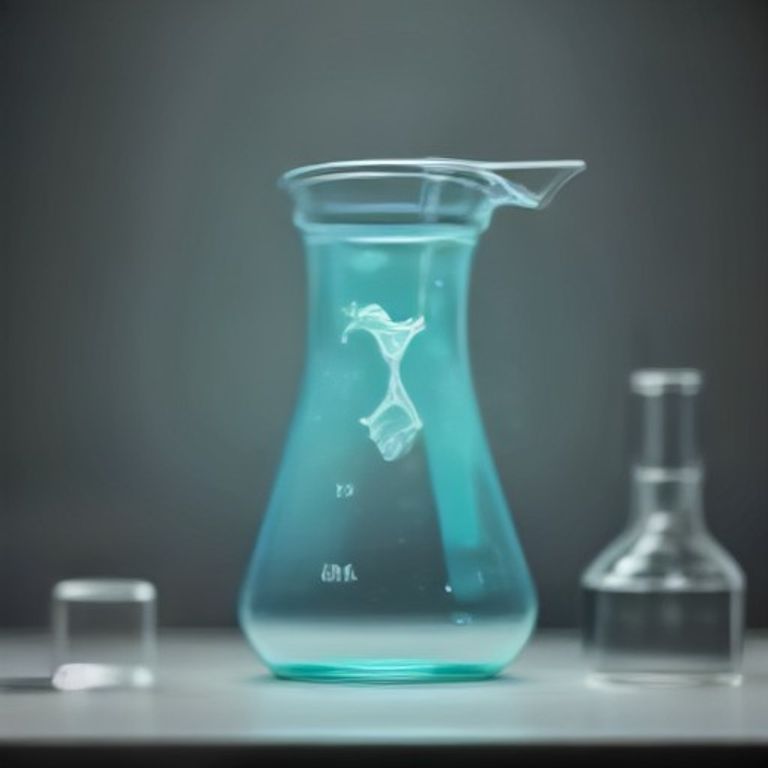
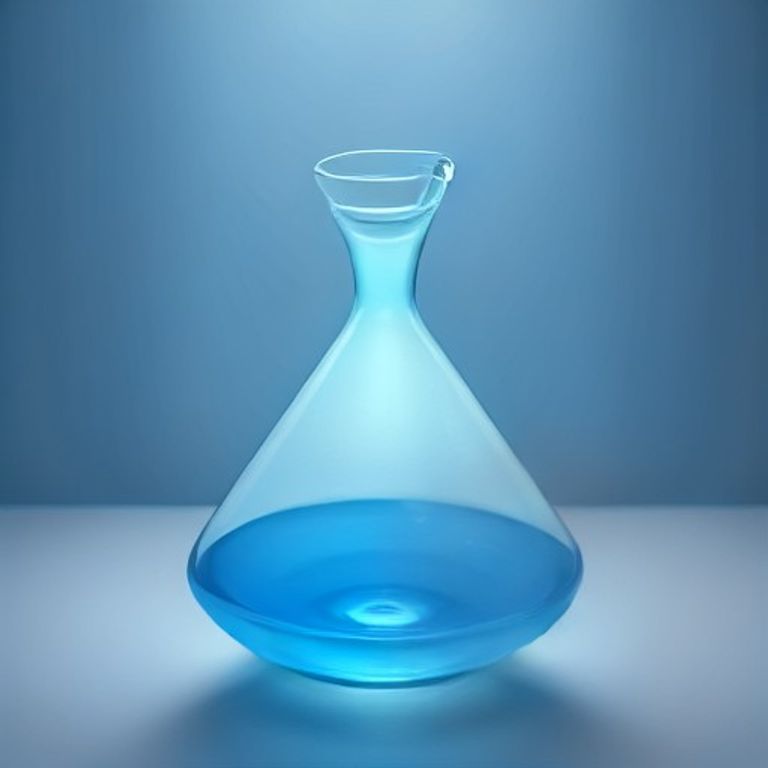
Lorsque nous entrons dans un laboratoire, la première chose que nous voyons souvent est une rangée de récipients en verre simple et cylindrique – le tube d'essai humble. Malgré son apparence modeste, un tube d'essai est un cheval de travail qui soutient d'innombrables expériences, des mélanges de chimie de base aux cultures microbiologiques délicates. Dans cet article, je vais vous guider quelle est la fonction d'un tube d'essai en chimie, comment nous les utilisons réellement dans le travail de laboratoire quotidien, et les habitudes de sécurité qui maintiennent à la fois le tube et l'utilisateur intact.
Pourquoi les tubes d'essai matière: fonctions de base
Pensez à un tube d'essai comme la « tasse » d'une cuisine de laboratoire. Tout comme une tasse contient des ingrédients pendant que vous remuez une recette, un tube d'essai contient des échantillons, des réactifs et des réactions. Voici les rôles principaux :
- Contenu: Fournit un environnement scellé pour les réactions à petite échelle, empêchant les déversements et l'exposition.
- Transfert de chaleur: Les parois minces permettent un chauffage et un refroidissement rapides, idéals pour l'ébullition ou les changements rapides de température.
- Observation: Le verre transparent nous permet de regarder des changements de couleur, précipiter la formation, ou la croissance microbienne sans ouvrir le tube.
- Collecte d'échantillons : Utilisé pour recueillir des échantillons liquides ou solides pour une analyse ultérieure, en particulier dans les laboratoires cliniques ou environnementaux.
Comment les tubes d'essai sont utilisés dans les expériences de laboratoire
Décomposition d'un flux de travail typique :
- Préparation: Choisissez la bonne taille (les capacités communes sont de 10 mL, 16 mL et 25 mL) et le matériau – la plupart sont du verre borosilicaté parce qu'il résiste aux chocs thermiques.
- Ajouter des réactifs : Utilisez une pipette ou une pipette pour introduire des produits chimiques. L'ouverture étroite minimise les éclaboussures.
- Mélange: Faites pivoter doucement ou tapez sur le côté. La forme cylindrique favorise même le mélange sans barre magnétique.
- Chauffage/refroidissement: Placez le tube dans un bain d'eau, une flamme ou un bain de glace. Les parois minces conduisent à la température rapide, tout comme une cuillère en métal dans la soupe.
- Observation & enregistrement & #160;: Regardez à travers le tube pour noter tout changement visuel. Pour la microbiologie, vous pouvez vérifier la turbidité ou la croissance des colonies.
Applications de tubes d'essai dans différents domaines
Chimie
Dans les laboratoires de chimie, les tubes d'essai sont parfaits pour les réactions rapides qui n'ont pas besoin de grands volumes. Par exemple, lorsque nous testons la neutralisation de la base acide, un tube de 10 mL suffit pour voir le fizz et le changement de couleur.
Biologie et microbiologie
Les microbiologistes utilisent des tubes d'essai pour cultiver des bactéries dans des milieux de bouillon. L'environnement scellé réduit la contamination, et les murs transparents nous permettent de surveiller la croissance par les yeux ou avec un spectrophotomètre.
Collecte et analyse d'échantillons
Les laboratoires cliniques recueillent souvent du sang ou des urines dans des tubes stériles. Ces tubes peuvent contenir des additifs (comme des anticoagulants) qui conservent l'échantillon jusqu'à l'analyse.
Contrôle de la qualité et essais environnementaux
Lors de la mesure de la qualité de l'eau, nous transférons parfois des échantillons d'eau dans des éprouvettes avant d'utiliser un Compteur DO pour le test d'oxygène dissous. Le petit volume du tube facilite la manipulation sur le terrain.
Directives de sécurité pour la manipulation des tubes d'essai
Même s'ils ne sont que du verre, les tubes d'essai peuvent devenir dangereux s'ils sont mal manipulés. Voici mes conseils de sécurité :
- Porter l'EPI approprié : Manteau de laboratoire, lunettes et gants résistant à la chaleur.
- Vérifier avant utilisation: Cherchez des fissures ou des copeaux qui pourraient provoquer une rupture sous la chaleur.
- Ne pointez jamais la fin ouverte vers vous-même ou vers les autres.
- Utiliser un support de tube d'essai ou une pince: Cela garde vos mains loin du verre chaud.
- Préparez-vous aux déversements : Gardez une trousses de déversement en laboratoire à proximité pour contenir rapidement toute fuite accidentelle.
Choisir le tube d'essai droit: matériau et taille
La plupart des laboratoires collent avec du verre borosilicate parce qu'il peut gérer des changements de température soudains sans éclater. Cependant, les tubes en plastique (polypropylène) sont utiles lorsque vous avez besoin d'une résistance chimique ou que vous voulez éviter toute rupture. Lors de la sélection d'une taille, considérer:
- Volume des réactifs – ne pas trop remplir; laisser l'espace de tête pour le mélange.
- Besoins en chaleur – les tubes plus gros dissipent la chaleur plus lentement.
- Stockage – les petits tubes empilent soigneusement dans les racks.
Conseils pratiques pour tirer le meilleur parti de vos tubes d'essai
- Étiquette clairement: Utiliser des marqueurs étanches; une étiquette rapide permet d'économiser des heures de confusion.
- Préhumidifier le tube: Rincer avec le solvant utilisé réduit la contamination.
- Utiliser un pyknomètre pour vérifier la densité: Si vous avez besoin de mesures de densité précises d'un liquide, transférer un volume connu dans un étalon pyknomètre avant de le verser dans le tube d'essai.
- Laisser refroidir progressivement: Après chauffage, placer le tube dans un bain d'eau plutôt que sur un banc froid pour éviter les chocs thermiques.
Conclusion
Du mélange de produits chimiques à la culture de microbes, le tube d'essai reste une pièce indispensable de verrerie de laboratoire. Comprendre sa fonction, choisir la bonne taille et le bon matériau et suivre les meilleures pratiques en matière de sécurité nous permet de mener des expériences de façon efficace et sécuritaire. La prochaine fois que vous prenez un tube d'essai, rappelez-vous qu'il est plus qu'un simple morceau de verre – il est un petit réacteur polyvalent qui aide à transformer les idées en données.
FAQ
Q: Puis-je réutiliser un tube d'essai après une réaction?
R : Oui, après un nettoyage approfondi avec des solvants appropriés et un rinçage avec de l'eau distillée. Pour les essais critiques, envisager d'utiliser un tube frais pour éviter la contamination croisée.
Q: Quelle est la différence entre les tubes d'essai en verre et en plastique?
R: Le verre (borosilicate) tolère des températures élevées et des produits chimiques agressifs, tandis que le plastique offre une durabilité et est moins susceptible de se briser, mais peut interagir avec certains solvants.
Q: Comment puis-je empêcher un tube d'essai de craquer en chauffant sur une flamme?
R: Utiliser un support de tube d'essai, chauffer graduellement et éviter le contact direct de la flamme avec le verre. Préchauffer le tube dans un bain d'eau peut également aider.
Q: Les tubes d'essai sont-ils adaptés au stockage à long terme?
R: Ils sont bien adaptés à court terme, mais pour le stockage à long terme, en particulier de substances volatiles ou réactives, les flacons ou les bouteilles scellés sont plus appropriés.
Q: Quel équipement de sécurité devrait être à proximité lorsque vous travaillez avec des tubes d'essai?
R : Au minimum, les lunettes, une couche de laboratoire, des gants résistants à la chaleur, un porte-tubes d'essai et un trousses de déversement en laboratoire pour les urgences.