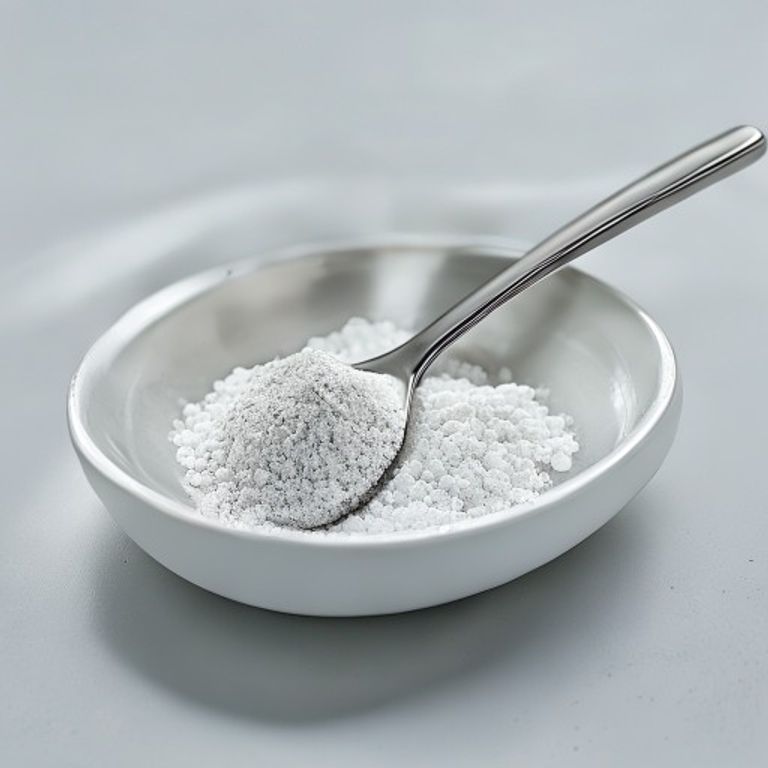
Guide pratique des spatules de laboratoire : manipulation, nettoyage et sécurité des poudres

Présentation
Quand je suis entré dans un laboratoire de chimie, l'humble spatule de laboratoire semble presque invisible par rapport aux béchers et aux brûleurs Bunsen. Pourtant, ce petit outil est le héros méconnu qui nous permet de déplacer des poudres, de gratter des résidus et de transférer des solides sans gâchis. Dans cet article, je vais vous guider à travers tout ce que vous devez savoir – de la prise de la bonne spatule pour la manipulation de la poudre à la maîtrise des routines de nettoyage et de rester en sécurité.
Choisir la bonne spatule de laboratoire pour la manipulation des poudres
Toutes les spatules ne sont pas égales. Pour les poudres, vous voulez un outil qui offre une surface superficielle, large et un bord lisse pour éviter le compactage. Voici quoi chercher:
- Forme : Les lames plates ou légèrement concaves fonctionnent le mieux pour écoper les poudres fines.
- Matérielle L'acier inoxydable assure durabilité et résistance chimique, tandis que les lames en plastique ou PTFE sont idéales pour les substances hautement corrosives.
- Taille: Une lame de 2 à 4 cm est parfaite pour la plupart des transferts à l'échelle des bancs; les lames plus grandes sont pratiques pour le travail en vrac.
Si vous ne savez pas quelle matière correspond à votre workflow, consultez le Conseils de la fonction Scoopula pour une comparaison rapide de la compatibilité des matériaux.
Comment utiliser une spatule de laboratoire pour le transfert solide
Le transfert d'un solide peut sembler simple, mais quelques trucs peuvent le rendre sans désordre :
- Poignez la spatule au manche : Cela vous donne un meilleur contrôle, surtout lorsque la poudre est électrostatique.
- Tapez doucement : Appuyez légèrement sur la spatule contre le côté du contenant pour libérer la poudre dans un flux contrôlé.
- Utilisez un bateau de pesage: Placez la spatule au-dessus d'un bateau prépoussé, puis faites-le. Cela réduit le besoin de transferts multiples.
Pensez à la spatule comme une petite pelle – vous voulez scoop, pas creuser, pour garder la poudre aérée et éviter les accroupissements.
Meilleures pratiques pour le nettoyage des spatules de laboratoire
Le nettoyage est l'endroit où beaucoup de laboratoires glissent. Une spatule sale peut contaminer l'échantillon suivant, entraînant des résultats inexacts. Suivez ces étapes :
- Rincer immédiatement: Après utilisation, rincer avec le solvant approprié (eau pour les solides non réactifs, acétone pour les résidus organiques).
- Utiliser une brosse: Une brosse en nylon doux atteint le bord de la lame sans gratter l'acier inoxydable.
- Sécher soigneusement: Séchage à l'air ou essuie-tout avec des tissus exempts de peluche pour prévenir les taches d'eau qui pourraient abriter des microbes.
- Contrôle de l'usure: Les criques ou les bords courbés signifient qu'il est temps pour un remplacement.
Pour une plongée plus profonde dans l'entretien, la spatule de laboratoire guide fournit une liste de vérification étape par étape.
Directives de sécurité pour les spatules de laboratoire
Même un outil simple peut poser des risques en cas d'utilisation abusive. Gardez à l'esprit ces conseils de sécurité:
- Porter des gants : Empêcher tout contact cutané direct avec des poudres dangereuses.
- Éviter la contamination croisée : Utilisez une spatule dédiée pour chaque classe chimique (acides, bases, organiques).
- Ne jamais utiliser une spatule endommagée: Une lame fissurée peut casser et provoquer des coupures.
- Conserver correctement: Suspendre les spatules sur un support propre ou les garder dans un tiroir désigné pour garder les lames propres.
Compatibilité du matériau: Acier inoxydable contre Spatules en plastique
L'acier inoxydable est le moteur de la plupart des laboratoires car il résiste à la corrosion et peut être autoclave. Cependant, lorsque vous travaillez avec des acides forts (par exemple, l'acide fluorhydrique) ou des solvants fluorés, les spatules PTFE enrobées ou pures sont plus sécuritaires. Consultez toujours le tableau de compatibilité chimique avant de choisir votre matériel de spatule.
Conclusion
De la bonne forme à la maîtrise des routines de nettoyage, la spatule de laboratoire peut être petite, mais son impact sur la précision et la sécurité est énorme. En le traitant avec le même soin que vous donnez vos pipettes et balances, vous garderez vos expériences propres, reproductibles et sûres. La prochaine fois que vous atteignez une spatule, rappelez-vous qu'elle n'est pas seulement un scoop – c'est un instrument de précision.
FAQ
Q: Puis-je utiliser une spatule plastique pour les poudres métalliques?
R : Oui, tant que le plastique est chimiquement inerte au métal et peut résister à toute température requise. PTFE est un choix sûr.
Q: À quelle fréquence dois-je remplacer ma spatule en acier inoxydable?
R: Inspectez-le après chaque utilisation. Remplacez-le si vous remarquez des virages, des fissures ou des taches persistantes que le nettoyage ne peut pas enlever.
Q: Est-ce bien d'autoclaver une spatule en plastique?
R: Seulement si le plastique est évalué à haute température. La plupart des spatules PTFE peuvent gérer les cycles d'autoclave, mais le polypropylène standard peut fondre.
Q: Quelle est la différence entre une spatule et une scoopula?
R : Une scoopula a généralement un bol plus profond, semblable à une cuillère, pour scooper de plus grandes quantités, tandis qu'une spatule plate est meilleure pour s'étendre ou se gratter.
Q: Puis-je utiliser la même spatule pour les solides et les liquides?
R: Il est préférable de garder des outils séparés. Les liquides peuvent laisser des résidus qui affectent les transferts solides, entraînant une contamination croisée.