

Maîtriser la fonction Scoopula : Conseils pratiques pour peser les solides, nettoyer et choisir le bon matériau

Présentation
When I first stepped into a chemistry lab, the scoopula felt like a tiny shovel—simple, but surprisingly powerful. This little tool helps us transfer powders, weigh solid reagents, and keep our workspace tidy. In this article, I’ll walk you through the scoopula function in everyday lab work, from proper handling to cleaning, and how to decide between metal and plastic versions. Think of it as a quick guide that turns a basic piece of equipment into a reliable sidekick.
How to Use a Scoopula for Weighing Solids
Accurate weighing starts with the right technique. Here’s my step‑by‑step routine:
- Choisissez la bonne taille: A small scoopula for milligram amounts, a larger one for gram‑scale transfers.
- Pre‑weigh the container: Place the weighing dish on the balance, tare it, and then bring the scoopula.
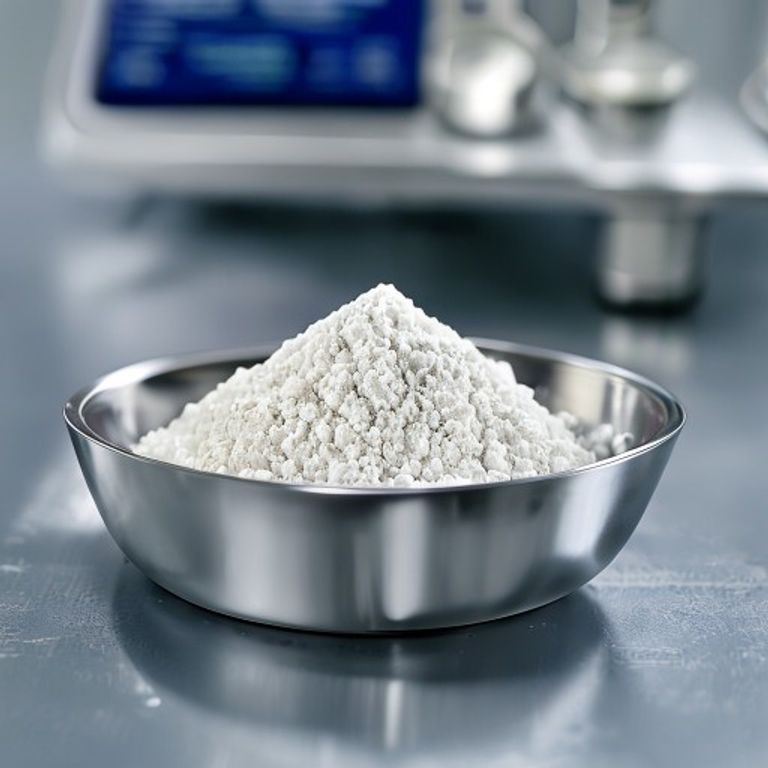
- Load the powder: Gently scrape the solid from the source using the curved edge. Avoid tapping the scoopula against the container—this can cause loss of material.
- Transfer to the dish: Tilt the scoopula and let the powder slide off. If needed, use a clean spatula to nudge the last bits.
- Record the weight: Once the powder settles, note the reading. The whole process usually takes under a minute, but the precision is worth the care.
For a deeper dive into spatula techniques, check out the guide ultime des utilisations de la spatule de laboratoire, which shares many overlapping tips.
Scoopula Function in Laboratory Techniques
Beyond weighing, the scoopula shines in several routine tasks:
- Préparation de l'échantillon: Quickly collect solid samples from reaction vessels for analysis.
- Transfert de réactif: Move hygroscopic powders without exposing them to moisture.
- Cleaning up spills: Small spills are easier to scoop up with a metal scoopula than a brush.
Think of the scoopula as the “Swiss Army knife” of powder handling—compact yet versatile.
Best Practices for Cleaning a Scoopula After Use
Keeping your scoopula clean prevents cross‑contamination and extends its life. Here’s my go‑to cleaning routine:
- Rincer immédiatement: Use a stream of deionized water to wash away loose particles.
- Soak if needed: For stubborn residues, soak in a mild detergent solution for 5‑10 minutes.
- Brush gently: A soft brush (like a toothbrush) can help dislodge particles from the curved tip.
- Rincez encore : Thoroughly rinse with distilled water to remove any soap.
- Sécher complètement: Pat dry with lint‑free wipes or let air‑dry on a clean rack.
If you’re using a metal scoopula, avoid abrasive cleaners—they can scratch the surface and harbor bacteria.
Differences Between Metal and Plastic Scoopulas
Choosing the right material depends on the chemicals you handle and your personal preference.
| Aspect | Metal Scoopula (Stainless Steel) | Plastic Scoopula (Polypropylene) |
|---|---|---|
| Durabilité | Highly durable, resistant to breakage. | More prone to bending or cracking under force. |
| Chemical Compatibility | Resistant to most acids, bases, and organic solvents. | Best for mild reagents; can melt with strong solvents. |
| Static Charge | Low static—good for hygroscopic powders. | Higher static buildup, may attract fine particles. |
| Cleaning Ease | Can be autoclaved; dishwasher safe. | Usually hand‑wash only; cannot withstand high heat. |
For labs that frequently handle corrosive reagents, a stainless‑steel scoopula is the safer bet. If you work mainly with non‑reactive powders, a disposable plastic scoopula can be convenient.
Troubleshooting Common Scoopula Handling Issues
Even simple tools can cause headaches if not used correctly. Here are a few fixes I rely on:
- Powder sticks to the tip: Lightly dip the tip in a solvent compatible with the powder, then wipe clean.
- Inconsistent weight readings: Ensure the scoopula is dry before weighing; moisture adds extra mass.
- Broken tip: Switch to a plastic scoopula for fragile powders, or use a wider metal scoopula to reduce stress.
- Static cling: Ground yourself or use an anti‑static brush before handling fine powders.
Conclusion
Les scoopula function may seem modest, but mastering it can dramatically improve accuracy, safety, and efficiency in any chemistry lab. By choosing the right material, following proper weighing steps, and cleaning diligently, you turn this humble tool into a reliable partner for all your solid‑handling tasks. Next time you reach for a scoopula, remember these tips—and you’ll never look back.
FAQ
Q: Can I use a plastic scoopula for acidic solutions?
A: Generally, no. Plastic can degrade in strong acids. Stick to stainless‑steel for corrosive reagents.
Q: How often should I replace my scoopula?
A: Replace when you notice bending, cracks, or persistent staining that cleaning can’t remove.
Q: Is it safe to autoclave a metal scoopula?
A: Yes, stainless‑steel scoopulas can be autoclaved without damage.
Q: What if I don’t have a brush for cleaning?
A: A soft cloth or even a cotton swab works for most residues—just be gentle.
Q: Does the scoopula affect the balance reading?
A: Only if the scoopula isn’t fully empty or contains moisture. Always tare the balance after placing the weighing dish.