

Au-delà du scoop: Dévoiler le rôle essentiel de la spatule de laboratoire

Avez-vous déjà été dans un labo et avez-vous remarqué ces petits outils non supposés ? Parmi les béchers, les tubes d'essai et les instruments complexes, il y a un petit héros qui passe souvent inaperçu : spatule de laboratoire. Cela peut sembler une simple pièce d'équipement, mais croyez-moi, sa polyvalence et son importance dans diverses tâches scientifiques sont vraiment remarquables. De la manipulation de poudres délicates au mélange de solutions visqueuses, une spatule de laboratoire fiable est un incontournable dans tout contexte scientifique. Laissez plonger et explorez pourquoi ce petit outil a un tel impact sur notre travail quotidien de laboratoire!
Qu'est-ce qu'une spatule de laboratoire ?
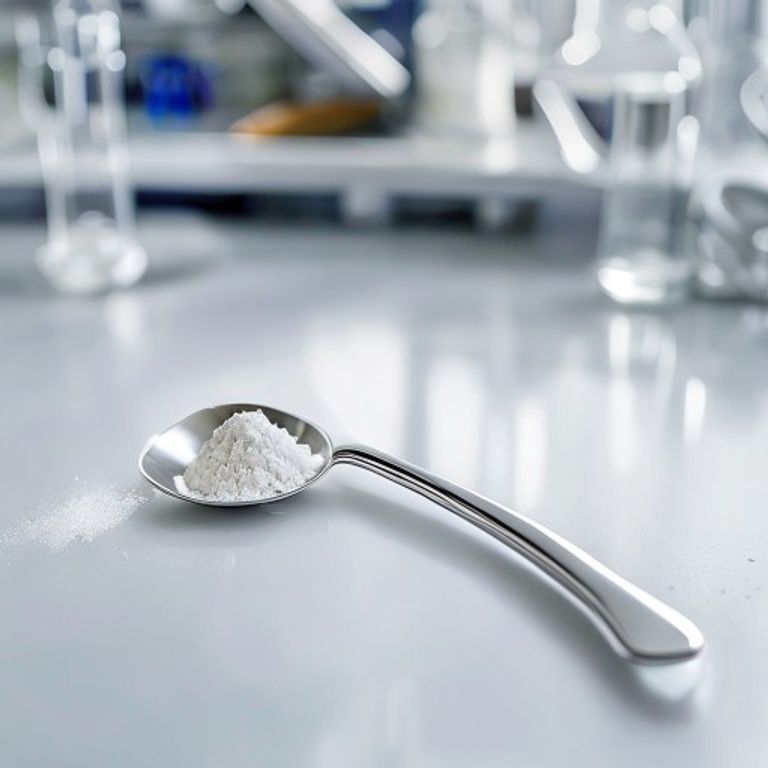
Dans son cœur, spatule de laboratoire est un petit outil plat et souvent flexible conçu pour le grattage, le transfert ou le mélange de poudres, granulés et pâtes. Pensez-y comme une spatule de cuisine miniature très spécialisée, mais construite pour résister aux rigueurs d'un environnement de laboratoire. Ces instruments scientifiques se déclinent en différentes formes et tailles, chacun adapté à des tâches spécifiques, ce qui les rend indispensables pour la précision et la sécurité. Nous les utilisons constamment pour transfert de poudre, en veillant à obtenir la bonne quantité de réactif sans contamination ni déchets.
Plus qu'un : types de spatules utilisés dans les laboratoires de chimie
Quand on parle de types de spatules utilisées dans les laboratoires de chimie, ce n'est pas un scénario de taille unique. C'est toute une famille ! Permettez-moi de vous présenter quelques variantes communes:
- Spatules plates: Ce sont vos spatules d'usage général, souvent ressemblant à une petite lame de couteau, idéal pour gratter et transférer des quantités modérées de solides.
- Micros spatules: Comme son nom l'indique, ils sont minuscules ! Elles sont cruciales pour les tâches exigeant une précision extrême, comme la manipulation de milligrammes de réactifs précieux. Si vous vous êtes jamais interrogé sur le Objet d'une microspatule dans la recherche scientifique, il s'agit de ce contrôle méticuleux pour les applications délicates.
- Scoopules: Ils sont sans doute parmi les plus populaires. Une scoopula combine une spatule avec une petite scoop, ce qui la rend incroyablement efficace pour ramasser et transférer des matériaux granulaires ou pulvérisés. Ils sont essentiels pour les réactifs solides, et si vous voulez en savoir plus sur scoopula utilise la chimie, ils sont vraiment l'outil essentiel pour la gestion des réactifs solides dans le laboratoire.
- Spatules aux extrémités de la cuillère : Certaines spatules sont accompagnées d'une petite cuillère sur une extrémité et d'une lame plate sur l'autre, offrant une double fonctionnalité.
- Spatules flexibles: Fabriqués à partir de matériaux comme PTFE, ils sont parfaits pour racler chaque dernier morceau de matériau à partir d'un mur de conteneur sans le gratter.
Chaque type joue un rôle unique, en nous assurant d'avoir le bon outil pour chaque opération délicate.
Choisir votre compagnon: Meilleur matériau pour la spatule de laboratoire résistant aux produits chimiques
Le matériel de votre spatule est super important, surtout lorsqu'il s'agit de divers produits chimiques. Les meilleur matériau pour la spatule de laboratoire résistant aux produits chimiques souvent dépend de ce que vous travaillez avec.
- Acier inoxydable: C'est probablement le choix le plus courant. Acier inoxydable Les spatules sont durables, résistantes à la corrosion et faciles à nettoyer, ce qui les rend idéales pour les travaux de laboratoire général. Cependant, ils peuvent réagir avec des acides ou des bases hautement corrosifs au fil du temps, donc toujours vérifier la compatibilité.
- PTFE (Teflon): Pour les substances extrêmement corrosives ou collantes, les spatules PTFE sont un sauveteur. Ils sont très résistant aux produits chimiques and have a non-stick surface, preventing material from adhering to the spatula. Plus, they won’t scratch delicate glassware.
- Plastique (par exemple polypropylène): These are often disposable or used for less demanding tasks, or when cross-contamination is a major concern. They’re good for light-duty transfert de poudre.
- Céramique: Less common but sometimes used for very specific high-temperature applications or when metal contamination is an issue.
Always consider the chemicals you’ll be handling to select the most appropriate and safe material.
Le garder propre: Comment nettoyer efficacement les spatules de laboratoire
Maintaining the cleanliness of our lab equipment is paramount, and spatulas are no exception. Knowing how to clean laboratory spatulas effectively ensures accuracy in experiments and prevents cross-contamination.
- Rincer immédiatement : Right after use, we should rinse the spatula with the appropriate solvent (usually distilled water or ethanol) to remove any residue before it dries.
- Soap and Scrub: For general cleaning, a good scrub with laboratory detergent and a brush under running water usually does the trick.
- Ultrasonic Bath: For stubborn residues or intricate designs, an ultrasonic bath can be incredibly effective, using sound waves to dislodge particles.
- Autoclaving/Sterilization: If working in sterile environments (like microbiology), spatulas need to be sterilized, often through autoclaving or dry heat.
- Séchage: Always ensure spatulas are thoroughly dried before storage to prevent corrosion (especially for stainless steel) and microbial growth.
A clean spatula isn’t just good practice; it’s a fundamental aspect of reliable scientific research.
Applications pratiques de votre spatule de laboratoire
Beyond just scooping, our trusty spatule de laboratoire is a multi-talented tool. We use it for:
- Precise Measurement: Carefully scooping out small, exact amounts of solid reagents for weighing.
- Mélange et mélange: Gently blending powders or incorporating solids into liquids.
- Craquage : Retrieving compounds from the sides of beakers or flasks.
- Crushing: Sometimes, the flat end can be used to gently break up small clumps of material before weighing.
- Transferring: Moving delicate samples from one container to another without loss.
It truly is one of the most versatile instruments scientifiques in our lab!
Foire aux questions sur les spatules de laboratoire
Q: Puis-je utiliser une spatule pour les travaux de laboratoire?
A: Not really! Kitchen spatulas might look similar, but spatules de laboratoire are made from specific materials like acier inoxydable or PTFE to be résistant aux produits chimiques and withstand the harsh lab environment. They’re also designed for precision, which kitchen tools usually aren’t.
Q: Comment choisir la bonne taille de spatule?
A: It depends on your task! For tiny amounts and delicate work, a microspatules is best. For general transfert de poudre, a standard flat spatula or lab scoop (scoopula) is usually fine. Always consider the container opening and the quantity of material you need to handle.
Q: Quelle est la principale différence entre une spatule et une scoopule?
A: A spatula typically has a flat, blade-like end for scraping and mixing. A scoopula, on the other hand, usually has a curved, trough-like end on one or both sides, making it much more efficient for scooping and transferring solid powders or granules, like a mini shovel.
Q: Où puis-je acheter des spatules de laboratoire en ligne?
A: You can find them on various scientific supply websites, often listed under laboratory consumables or glassware and plasticware. Look for reputable suppliers specializing in instruments scientifiques to ensure quality and material specifications.
Conclusion
So there you have it! The humble spatule de laboratoire, far from being just a simple tool, is an indispensable part of our daily scientific endeavors. Whether it’s the precision of a micro spatula for delicate research or the efficiency of a scoopula for bulk transfert de poudre, understanding its types, materials, and proper care can significantly enhance our lab experience. Next time you pick one up, remember the unsung hero you hold in your hand, making precise and safe science possible, one scoop at a time!