


Scoopula utilise la chimie : l'outil essentiel pour les réactifs solides dans le laboratoire

Présentation
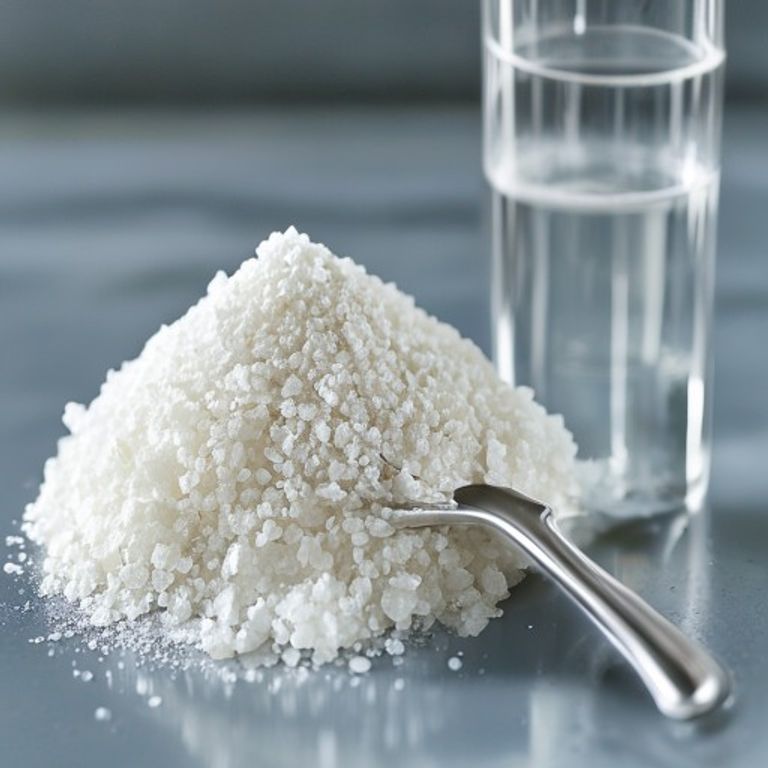
Ever wondered why a tiny metal spatula appears in almost every chemistry lab? That little tool is called a scoopula, and it plays a surprisingly big role in how we handle solid reagents. In this article I’ll walk you through what a scoopula is, how we use it safely, and why it’s a must‑have for anyone who wants to run smooth experiments.
What Is a Scoopula and What Is It Made Of?
A scoopula looks like a miniature shovel or a flattened spoon. Most of the time it’s made from stainless steel, but you’ll also find plastic or PTFE (Teflon) versions for highly reactive chemicals. The material choice matters because it determines whether the scoopula will react with the substance you’re moving.
Key Functions of a Scoopula in Chemistry
- Accurate solid transfer: Scoopulas let you pick up precise amounts of powders, crystals, or granules without spilling.
- Minimize contamination: By using a dedicated scoopula for each reagent, you avoid cross‑contamination that could ruin results.
- Protect your hands: Direct contact with powders can be hazardous (think of hygroscopic salts or irritant powders). The scoopula acts as a barrier.
- Ease of cleaning: Stainless‑steel scoopulas can be rinsed and dried quickly, keeping the workflow fast.
How to Use a Scoopula in a Lab – Step by Step
1. Choisissez la bonne taille
Small scoopulas (about 5 mm) are perfect for micro‑quantities, while larger ones (10–15 mm) handle bulk transfers. Think of it like picking the right spoon for your cereal – the wrong size leads to mess.
2. Check the material compatibility
If you’re moving a strong acid or a highly oxidizing powder, reach for a PTFE scoopula. For most inorganic salts, stainless steel works just fine.
3. Scoop the solid
Gently press the scoopula into the pile, tilt it slightly, and let the solid slide onto the spoon surface. Avoid tapping hard; you don’t want to generate dust clouds.
4. Transfer to the receiving vessel
Hold the receiving container at a slight angle and let the solid slide off. If you need a more controlled pour, tap the handle lightly with your finger.
5. Clean immediately
Rinse the scoopula with the appropriate solvent (water, ethanol, or a specific cleaning solution) and dry it with a lint‑free cloth. This prevents residue buildup that could affect later experiments.
Why Is a Scoopula Important in Chemistry Classes?
In teaching labs, students often struggle with measuring powders accurately. A scoopula provides a tactile way to see how much material is being moved, reinforcing the concept of stoichiometric precision. It also teaches good lab hygiene – each student learns to use a dedicated tool, reducing the chance of accidental contamination.
Practical Tips for Safe Scoopula Use
- Always wear gloves and safety glasses when handling unknown powders.
- Label your scoopulas if you reuse them for the same reagent.
- Store metal scoopulas in a dry drawer to prevent rust.
- When heating powders, remember the safety tips from Unlocking the Power of the Bunsen Burner. A sudden flare‑up can send particles airborne.
- Organize your workspace using the essential test tube and rack uses described in the lab guide; a tidy bench makes scoopula handling smoother.
FAQ
What is a scoopula used for in chemistry experiments?
It is primarily used to pick up, transfer, and measure solid reagents such as powders, crystals, and granules.
Can I use a plastic scoopula for corrosive acids?
Most plastic scoopulas will degrade when exposed to strong acids. Opt for a PTFE (Teflon) scoopula for better chemical resistance.
How do I avoid cross‑contamination?
Use a dedicated scoopula for each reagent, or clean it thoroughly between uses with an appropriate solvent.
Is a scoopula the same as a spatula?
They serve similar purposes, but a scoopula has a deeper, curved shape that makes it easier to hold and pour powders without spilling.
What should I do if a powder sticks to the scoopula?
Rinse the scoopula immediately with a solvent that dissolves the residue, then dry it. For stubborn clumps, a gentle ultrasonic bath can help.
Conclusion
Even though it’s a small piece of equipment, the scoopula is a workhorse in any chemistry lab. From accurate solid transfer to preventing contamination, it supports the core of experimental work. By choosing the right material, practicing proper technique, and keeping the tool clean, you’ll see a noticeable boost in both safety and data quality. Next time you reach for a spoon in the kitchen, remember that the humble scoopula is the real hero behind many successful chemistry experiments.







