The Essential Guide to Volumetric Flask Uses: Precision, Practice, and Practical Tips

Introduction
When we step into a chemistry lab, the first thing we notice is the variety of glassware lining the benches. Among them, the volumetric flask might look like just another fancy bottle, but its role is far more critical. In this article, I’ll walk you through volumetric flask uses that matter the most in everyday lab work, from preparing standard solutions to performing accurate dilutions. Think of the flask as the “golden ruler” for liquids – it gives you a precise volume every single time, just like a perfectly calibrated ruler gives you an exact length.
What Is a Volumetric Flask?
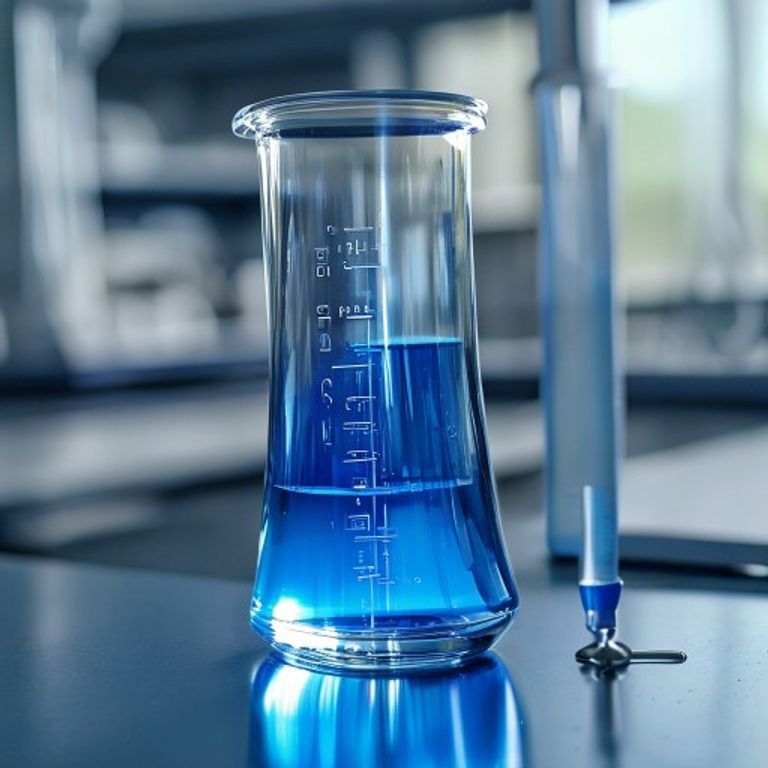
A volumetric flask is a pear‑shaped piece of analytical chemistry glassware with a single, precisely marked calibration line. It is designed to contain a known volume of liquid when filled to that line at a specific temperature (usually 20 °C). The narrow neck minimizes the surface area, reducing evaporation and making it easier to read the meniscus.
Common Uses in Chemistry
Here are the top volumetric flask uses you’ll encounter in a typical laboratory:
- Standard solution preparation: Dissolving a known amount of solute to make a solution of exact molarity.
- Sample dilution: Reducing the concentration of a sample to a workable range for analysis.
- Titration: Providing a reliable base or acid concentration for titration calculations.
- Calibration of instruments: Supplying precise volumes for instrument validation.
- Quality control checks: Ensuring batch‑to‑batch consistency in production labs.
Why Choose a Volumetric Flask Over a Beaker?
Many beginners wonder, “Why not just use a beaker?” The answer lies in precision. A beaker’s graduation marks are approximate, usually with tolerances of ±5 % or more. In contrast, a volumetric flask offers tolerances as low as ±0.05 % for a 100 mL flask. This difference is the same as using a ruler with millimeter markings versus a laser‑etched micrometer – the latter gives you confidence that every measurement is spot on.
Step‑by‑Step: How to Accurately Use a Volumetric Flask
Getting the most out of your flask is simple if you follow these steps:
- Clean the flask: Rinse with distilled water, then with a small amount of the solvent you’ll use.
- Add the solute: Weigh the exact amount on an analytical balance and transfer it to the flask.
- Pre‑dissolve: Add a small volume of solvent, swirl or stir until the solute fully dissolves.
- Fill to the calibration line: Add solvent gradually, using a wash bottle for the final few milliliters. Stop when the bottom of the meniscus touches the line.
- Mix thoroughly: Cap the flask and invert it several times to ensure uniform concentration.
Remember, temperature matters. If you’re working far from 20 °C, apply the appropriate correction factor or use a temperature‑controlled environment.
Volumetric Flask Applications in Titration
Titration is a classic scenario where volumetric flask uses shine. By preparing a primary standard solution in a volumetric flask, you guarantee that the titrant’s concentration is known to a high degree of accuracy. This, in turn, reduces systematic error in the entire titration process. For instance, when you need a 0.100 M NaOH solution, you would dissolve the exact mass of NaOH pellets in a 250 mL volumetric flask and fill to the line – the resulting solution becomes your reliable titrant.
Other Practical Lab Scenarios
Beyond titration, volumetric flasks are indispensable for:
- Preparing calibration curves for spectrophotometric analysis.
- Making buffer solutions where exact molarity is crucial for pH stability.
- Generating reference standards for chromatography.
If you’re curious about other essential glassware, check out the practical test tube uses that complement the work you do with volumetric flasks.
Tips for Maintaining Accuracy
- Store flasks upright to prevent dust accumulation on the neck.
- Avoid sudden temperature changes – thermal shock can distort the calibration line.
- Periodically verify the flask’s volume against a certified reference flask.
- When measuring liquids with high viscosity, use a pipette to transfer the final portion into the flask to avoid meniscus errors.
For a deeper dive into precise liquid measurement techniques, the guide on accurate liquid measurement with a graduated cylinder offers excellent complementary tips.
Conclusion
In short, a volumetric flask is the unsung hero of any analytical lab. Its ability to deliver precise, repeatable volumes makes it the go‑to tool for standard solution preparation, dilution, and titration. By treating the flask with care and following a disciplined workflow, you’ll enjoy the confidence that comes with truly accurate measurements – and that confidence translates directly into reliable experimental results.
FAQ
Q: What is the typical tolerance for a 100 mL volumetric flask?
A: Usually ±0.05 % (±0.05 mL), which is far tighter than the ±5 % tolerance of a beaker.
Q: Can I use a volumetric flask for heating solutions?
A: Yes, but only if the flask is made of heat‑resistant borosilicate glass and you avoid rapid temperature changes.
Q: How often should I calibrate my volumetric flasks?
A: It’s good practice to check them annually or whenever you suspect damage or after a major cleaning.
Q: Is it okay to use a volumetric flask for gases?
A: No, volumetric flasks are designed for liquids; gases require specialized volumetric apparatus.
Q: What’s the difference between a Class A and Class B flask?
A: Class A flasks meet stricter tolerance standards and are preferred for high‑precision work, while Class B flasks have slightly looser tolerances.