

Unveiling the Mystery: What Exactly is a Graduated Cylinder Meaning and Why It’s Crucial in Your Lab

Hey there, fellow science enthusiasts! Have you ever wondered about those tall, slender glass or plastic tubes with markings that you often see in a chemistry lab? Chances are, you’re looking at a graduated cylinder. It might seem like just another piece of laboratory equipment, but understanding the graduated cylinder meaning is absolutely fundamental for anyone performing experiments or even just curious about how things work in a scientific setting. Today, we’re going to dive deep into what this amazing tool is, what it’s used for, and how you can use it like a pro.
What Exactly is a Graduated Cylinder?
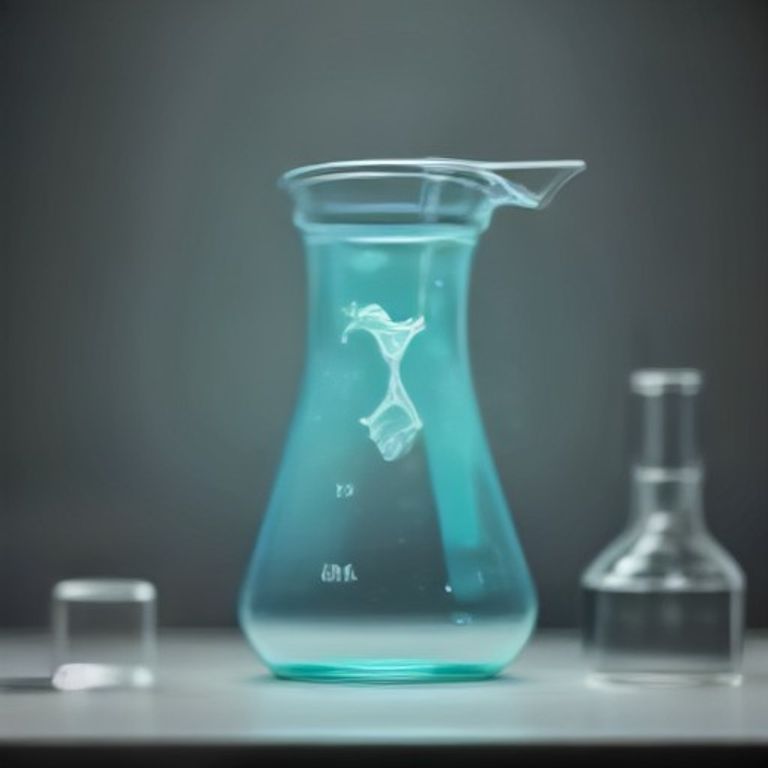
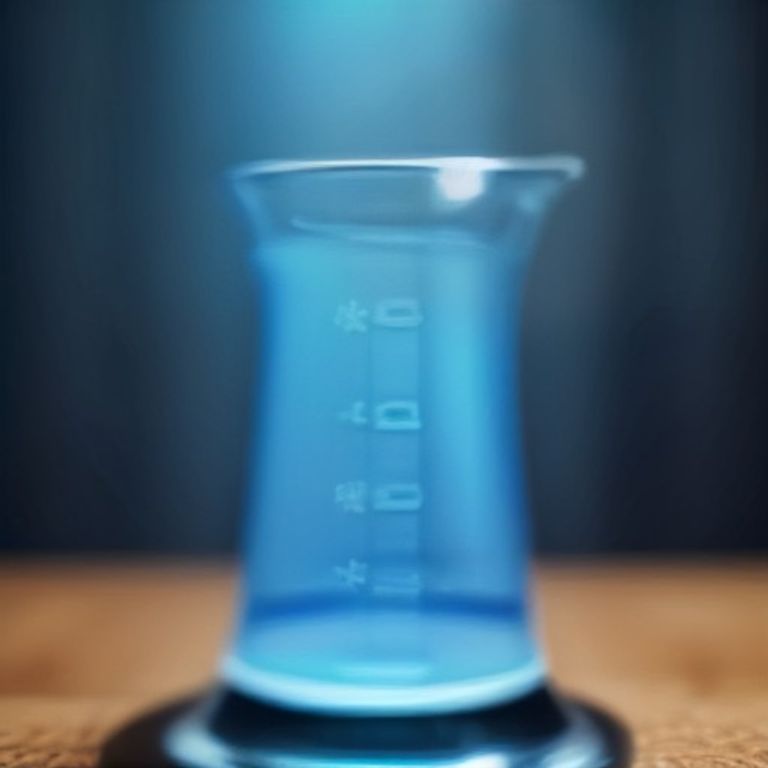
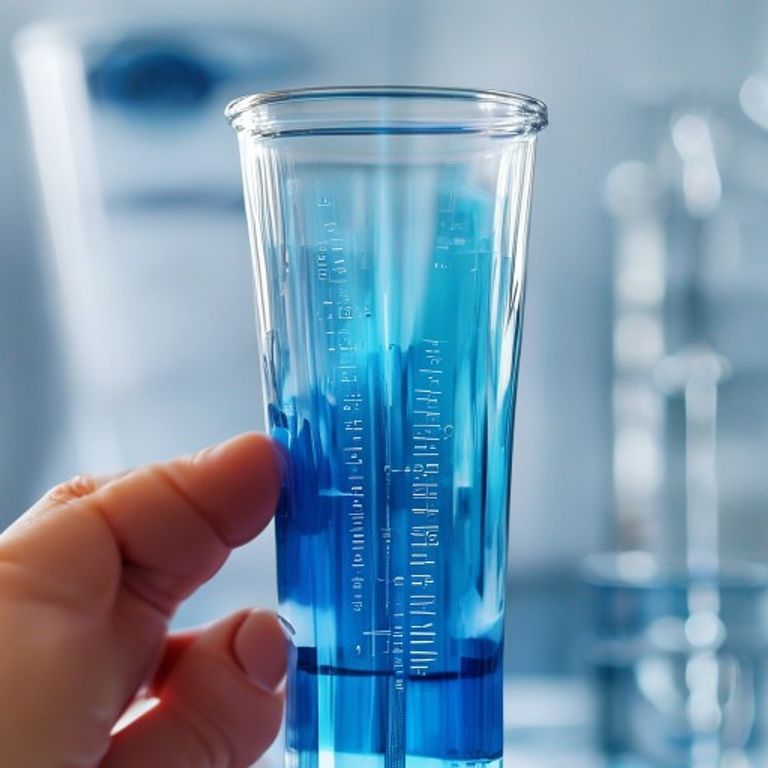
In simple terms, a graduated cylinder is a piece of laboratory glassware (or plasticware) used for measuring volume of liquids. The “graduated” part of its name comes from the precise markings, or graduations, etched along its side. Think of it like a very accurate measuring cup, but specifically designed for the precision needed in scientific experiments. These markings allow us to read the volume of liquid contained within it with a fair degree of accuracy.
- Shape: Typically tall and narrow, which helps to improve the accuracy of volume readings.
- Material: Often made of borosilicate glass for chemical resistance and thermal stability, but plastic versions (like polypropylene) are also common, especially for less corrosive liquids or in educational settings where breakage is a concern.
- Markings: The cylinder has clear, incremental lines indicating specific volumes (e.g., milliliters).
What is a Graduated Cylinder Used For in a Lab? (More Than Just a Fancy Cup!)
So, what is a graduated cylinder used for in a lab? Its primary purpose is to measure and transfer precise volumes of liquids. While you might use a beaker for mixing or holding solutions, when it comes to getting an accurate measurement of, say, 50 milliliters of water, a graduated cylinder is your go-to tool. We rely on them for tasks like:
- Preparing solutions: When you need to add a specific amount of solvent to a solute.
- Performing titrations: Measuring reagents precisely.
- General volume measurement: Any time a relatively accurate liquid volume is required for an experiment.
It’s important to note that while graduated cylinders offer good accuracy, they aren’t always the most precise tool available. For extremely high-precision measurements, especially when preparing standard solutions, we might turn to tools like how volumetric flasks deliver unmatched accuracy, which are designed for single, highly accurate volume measurements.
How to Read a Graduated Cylinder Accurately (Mastering the Meniscus)
Getting a precise reading from a graduated cylinder isn’t just about glancing at the numbers. There’s a trick to it, and it involves understanding something called the meniscus. When water or most aqueous solutions are in a narrow container, the liquid surface isn’t flat; it curves. This curve is the meniscus.
Here’s how to read a graduated cylinder accurately:
- Place on a Flat Surface: Always make sure the cylinder is on a level surface to prevent tilting and inaccurate readings.
- Eye Level is Key: Crouch down so your eye is perfectly level with the meniscus. Looking from above or below will give you an incorrect reading due to parallax error.
- Read the Bottom: For most liquids (especially water), the meniscus will be concave (curved downwards). You should always read the volume at the very bottom of this curve.
- Estimate Between Markings: Graduated cylinders usually have major markings and smaller subdivisions. You should estimate one decimal place beyond the smallest marked increment. For example, if the smallest marks are at 1 mL intervals, you should estimate to the nearest 0.1 mL.
- Background Contrast: Sometimes, holding a dark object (like your finger or a piece of dark paper) behind the meniscus can make it easier to see and read accurately.
Difference Between Beaker and Graduated Cylinder: Why Not Just Use a Beaker?
This is a common question! While both beakers and graduated cylinders hold liquids, their purposes and the level of accuracy they provide are vastly different. Think of it like this: A beaker is like your mixing bowl at home – great for stirring things, holding ingredients, and general approximations. A graduated cylinder, on the other hand, is like your precise measuring spoon or cup – specifically designed to give you an exact amount.
Here’s a quick comparison:
- Beakers:
- Wide mouth, cylindrical shape.
- Rough volume markings (often in large increments).
- Primarily used for mixing, heating, and holding liquids.
- Low accuracy for volume measurement.
- Graduated Cylinders:
- Tall, narrow cylinder.
- Fine, precise volume markings.
- Primarily used for accurate volume measurement and transfer.
- Good accuracy for volume measurement, though not as precise as a volumetric vs. graduated pipette for extremely small and exact volumes.
The Definition of a Graduated Cylinder in Chemistry: A Recap
So, pulling it all together, the definition of a graduated cylinder in chemistry is a piece of calibrated scientific glassware or plasticware, characterized by its tall, cylindrical shape and precise volume markings, used primarily for accurately measuring and transferring specific volumes of liquids in laboratory settings. Its design prioritizes accuracy in volume reading over other functions like mixing or heating.
Conclusion
From understanding the graduated cylinder meaning to mastering the meniscus, we’ve covered the essentials of this indispensable lab tool. While it might seem simple, using a graduated cylinder correctly is a core skill in any scientific discipline. Its ability to provide relatively accurate volume measurements makes it a workhorse in labs worldwide, ensuring experiments are performed with the precision needed for reliable results. So, the next time you pick one up, you’ll know you’re not just holding a tube with lines, but a key instrument for scientific discovery!
FAQ About Graduated Cylinders
Q: What’s the main difference between a graduated cylinder and a burette?
A: Both measure volume, but burettes are designed for highly accurate dispensing of variable liquid volumes, especially in titrations, with a stopcock at the bottom. Graduated cylinders are for measuring and pouring a specific volume from the top.
Q: Can I heat liquids in a graduated cylinder?
A: Generally, no. While glass graduated cylinders are heat resistant, their tall, narrow shape makes heating inefficient and can lead to uneven temperature distribution or even breakage if heated too quickly or directly. Beakers or flasks are better for heating.
Q: How accurate is a graduated cylinder compared to other lab equipment?
A: Graduated cylinders offer good accuracy (typically ±0.5% to ±1% of the total volume). However, for even higher precision, especially for preparing solutions of exact concentrations, volumetric flasks or pipettes are preferred.
Q: How do I clean a graduated cylinder?
A: Always clean immediately after use. Rinse with tap water, then wash with a brush and laboratory detergent. Rinse thoroughly with distilled water and allow to air dry upside down on a drying rack. For stubborn residues, specific cleaning solutions might be needed.